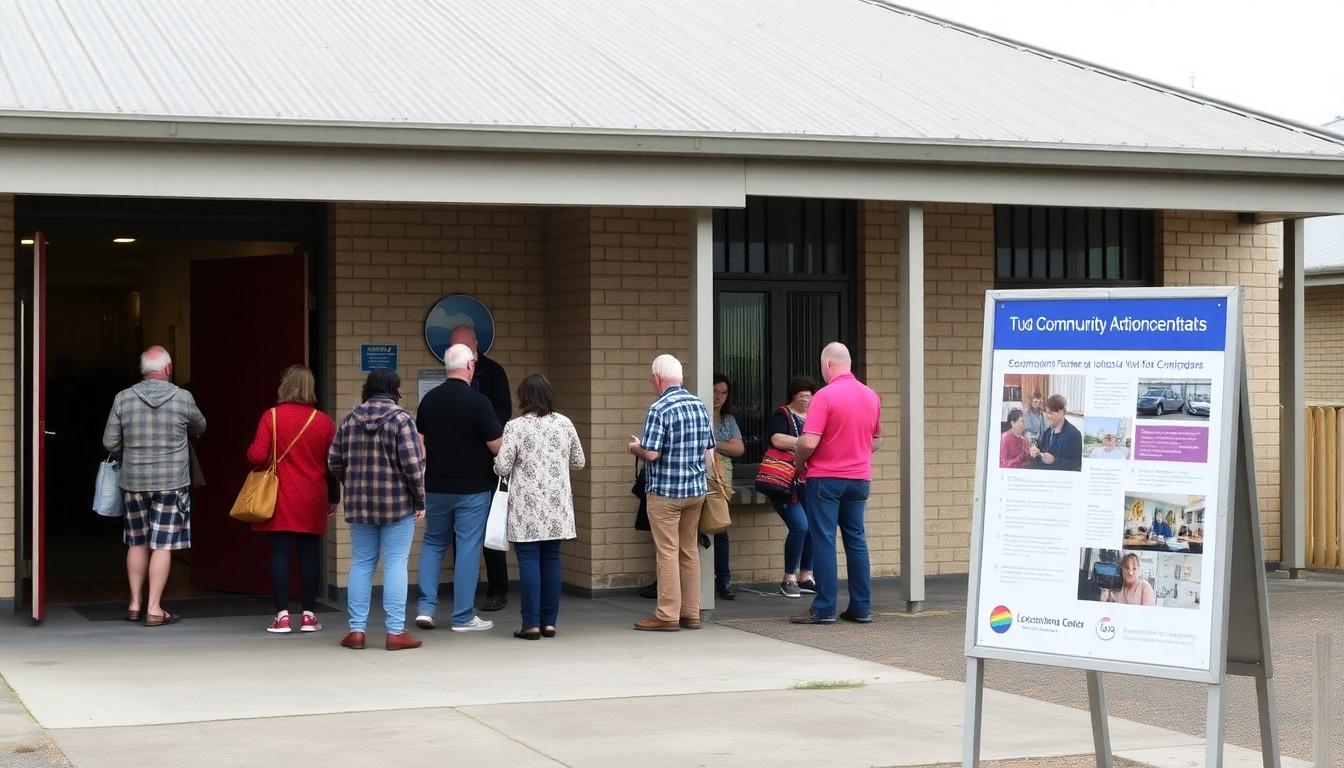
Brighton Council in Tasmania has launched its first LGBTIQA+ Action Plan and raised the Transgender Pride Flag outside Brighton Community Centre. Shaped by local consultation, the plan aims to tackle barriers to safety, inclusion and participation, with practical steps for council services and public spaces. It’s a local commitment with potential relevance for other communities, too.
Essential Takeaways
- A first for Brighton: The council has adopted its first LGBTIQA+ Action Plan after consulting local residents and community members.
- Practical measures: Proposed actions include inclusion training, reviewing public amenities and planning for all-gender toilets.
- Community involvement: Young people took part in the launch through Brighton Council’s Community Creators Program.
- A longer-term commitment: Quarterly progress updates are planned through the second quarter of 2029.
- Part of a wider picture: Other Tasmanian councils, including Glenorchy, have also developed LGBTIQA+ inclusion plans.
A flag-raising puts belonging in public view
A flag outside a community centre is a simple sight, but Brighton Council’s launch gave it a clear purpose: to make support visible. The Transgender Pride Flag was raised during Transgender Awareness Week, with the council presenting its first LGBTIQA+ Action Plan at the same event.
Brighton Mayor Leigh Gray said public displays of support could reassure people wondering whether they were accepted and belonged. The flag was raised by Under One Rainbow and Rosemary Harwood, mother of the late Tasmanian trans woman Marjorie Harwood, and was due to remain flying until Trans Day of Remembrance on 20 November, Star Observer reported.
Community input shaped the plan
The council developed the plan through consultation with LGBTIQA+ residents, families, friends and allies. Brighton Council’s consultation document records responses from 51 people aged 14 and over who live, work, study or visit the area. While many said they felt welcome, it also records continuing concerns about safety and inclusion, particularly for trans and non-binary residents.
Those concerns sit alongside wider needs identified by participants, including better information about mental health services and stronger anti-discrimination work. The council’s 2025–26 Annual Plan had already identified consultation with the LGBTIQA+ community as part of developing the action plan, placing it within a broader programme of community engagement.
What the commitments could mean day to day
The plan’s proposals include awareness training for council staff and elected members, an audit of public amenities and planning for additional all-gender toilets in future developments and upgrades. It also sets out work on visibility, representation, access to support information and partnerships to create safe spaces for young LGBTIQA+ people.
For residents, the value of those measures will depend on how they are carried through. Brighton Council’s plan schedules quarterly progress updates to the council and community from the second quarter of 2026 through to the second quarter of 2029, giving people regular opportunities to see what has moved forward.
Brighton’s plan fits a wider Tasmanian shift
Brighton isn’t working in isolation. Star Observer notes that Hobart, Glenorchy, Kingborough, Burnie and Launceston are also among Tasmanian councils with LGBTIQA+ action plans. Glenorchy’s separate plan, reported by QNews, followed local consultation and includes education, training, partnerships and ongoing evaluation.
The state government’s Our Inclusive Island strategy also sets out a whole-of-government approach to improving outcomes for LGBTIQA+ Tasmanians. Taken together, local and state initiatives show how inclusion can be addressed through everyday services, public spaces and community participation, rather than left as a statement of intent.
The test is in the follow-through
Under One Rainbow spokesperson Michael Williams said the plan recognises LGBTIQA+ people as part of everyday life in Brighton and stressed that inclusion must address the safety and wellbeing of trans and gender-diverse residents. Equality Tasmania spokesperson Rodney Croome described the plan as a potential model for other outer-urban areas.
That ambition will be measured in practical details: whether spaces feel safer, services are easier to navigate and residents can take part without feeling they need to hide who they are. For a local plan, that’s a meaningful test.
Brighton’s next step is turning its commitments into visible, everyday change.
Source Reference Map
Story idea inspired by: [1]
Sources by paragraph: