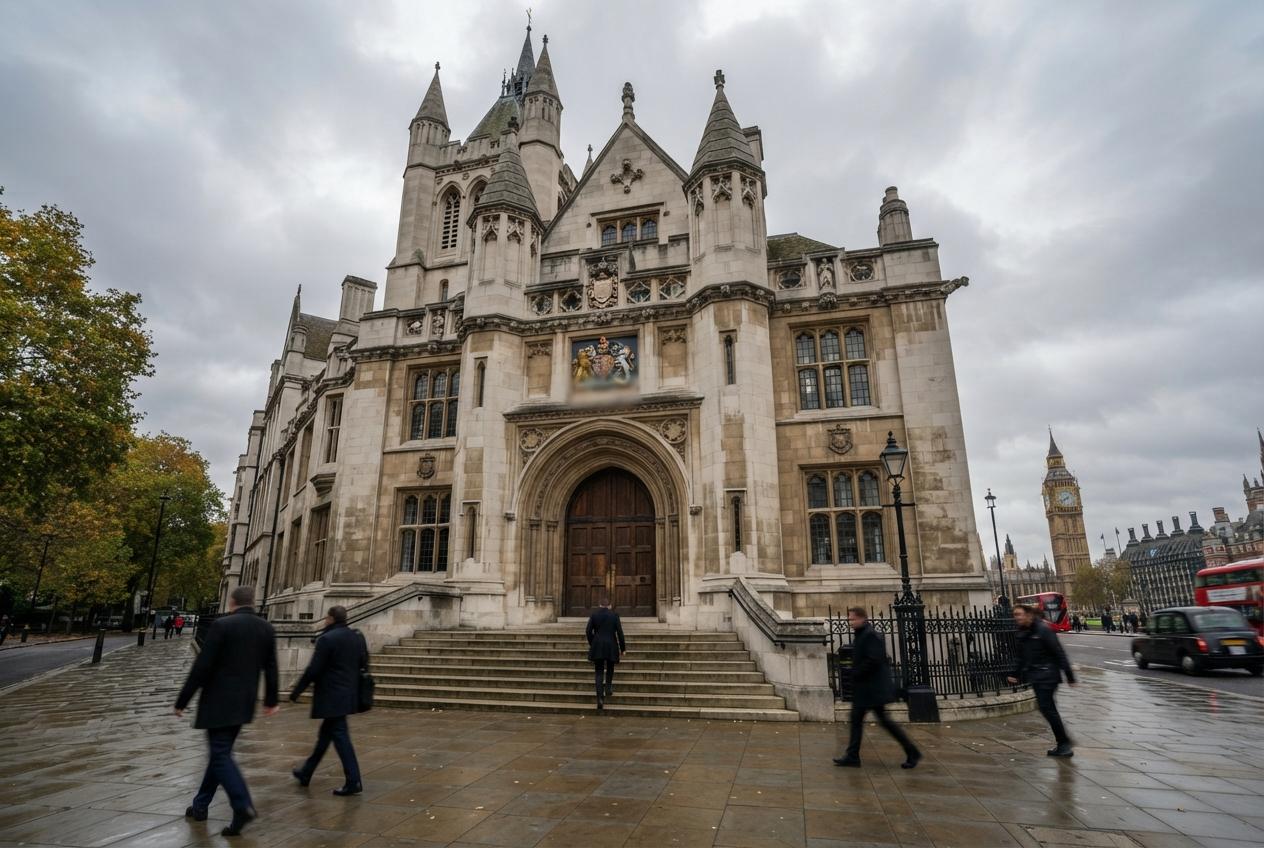
A colonial-era law criminalising consensual same-sex intimacy in Trinidad and Tobago is before the UK-based Privy Council, the country’s highest court of appeal. LGBTQ+ activist Jason Jones is challenging the law’s survival under constitutional protections for inherited legislation. The decision matters beyond the islands, where campaigners elsewhere in the Caribbean are watching closely, though any legal changes would depend on each country’s own courts and laws.
Essential Takeaways
- The appeal: Jason Jones is challenging offences that can carry prison terms of up to five years for buggery and two years for gross indecency.
- The legal knot: Trinidad and Tobago’s constitutional savings clause protects some laws inherited from before independence from being challenged in court.
- The case’s history: The High Court ruled for Jones in 2018, but the Court of Appeal overturned that decision in March 2025.
- The wider picture: Similar criminal laws remain in several Caribbean countries, but a Privy Council ruling would apply directly only in Trinidad and Tobago.
A colonial-era law is back before the Privy Council
The dispute centres on a striking legal inheritance: offences rooted in British colonial rule that remain part of Trinidad and Tobago’s law. The country’s Court of Appeal restored the criminal prohibitions in 2025, leaving consensual same-sex intimacy between men criminalised, with maximum penalties of five years for buggery and two years for gross indecency.
The Associated Press reports that the appeal was heard in London, although its account said the timing of a decision was unclear when it was published. The Judicial Committee of the Privy Council is Trinidad and Tobago’s final court of appeal. The case asks whether constitutional protections for certain pre-independence laws shield these offences from challenge.
Why Jones’s challenge turned on a savings clause
Jones first won in the High Court in 2018, when provisions of the Sexual Offences Act were found unconstitutional. But in March 2025, the Court of Appeal reversed that outcome, relying on the Constitution’s savings clause. Cornell Law School’s Legal Information Institute says the challenge concerned sections 13 and 16, covering buggery and serious indecency between people of the same sex.
The legal history is not quite as simple as a law passed in colonial times and left untouched. Human Dignity Trust says the Court of Appeal found that the savings clause protected earlier prohibitions, while the more severe penalties introduced in 1986 could not stand in the same form. The result was a return to the lower penalty levels attached to the earlier laws.
The Caribbean is watching, but each case is its own
The Privy Council’s decision would apply directly to Trinidad and Tobago, not automatically change laws elsewhere. Still, Human Dignity Trust notes that criminal penalties for same-sex activity remain in several Caribbean countries, including Grenada, Guyana, Jamaica and Saint Vincent and the Grenadines. The maximum penalties vary, a reminder that shared colonial histories do not make today’s laws identical.
There are also different legal routes across the region. Human Dignity Trust describes separate constitutional cases in Eastern Caribbean jurisdictions, including a successful challenge in Dominica in 2024 and an appeal pending in Saint Vincent and the Grenadines, according to its page. A ruling in Jones’s case could draw attention and offer an argument for campaigners, but local constitutions and courts still matter.
The colonial legacy is part of the argument
The House of Commons Library’s briefing on LGBT+ rights in Caribbean states describes how many criminal laws against consensual same-sex relations have colonial origins. But the present dispute is also about how those laws have been maintained after independence, and how constitutional safeguards can keep older legislation in force.
That makes the route through a London court especially striking: a former colonial power’s judicial institution is being asked to consider a law linked to colonial rule. But the case is now a question of Trinidad and Tobago’s own constitution and legal history, not simply Britain’s past. The long view matters here, but so does the country’s ability to decide what kind of society its laws should serve.
What the ruling could mean next
If Jones succeeds, the immediate legal effect would be in Trinidad and Tobago. The Associated Press stresses that any broader influence would depend on the laws and courts of other jurisdictions, while Human Dignity Trust’s account of regional cases shows that challenges elsewhere follow their own paths.
For people following the case, the practical point is to separate legal precedent from automatic change. A Privy Council judgment may be closely studied by campaigners across the Caribbean, but it would not by itself erase another country’s criminal law. That distinction is easy to miss in a case with such a wide historical shadow.
The case could matter across the region, but any change elsewhere will need its own legal route.
Source Reference Map
Story idea inspired by: [1]
Sources by paragraph: