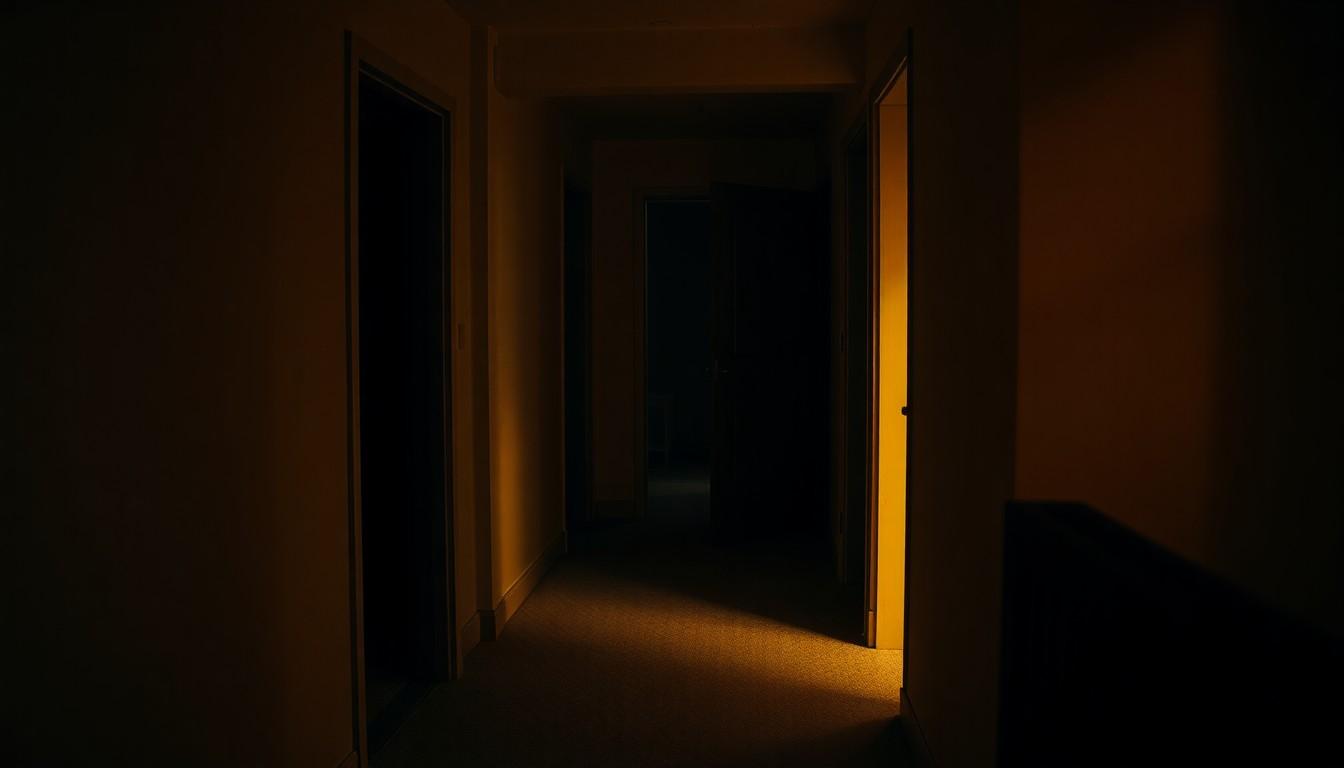
Audiences are returning to Bound as the Wachowskis’ stylish debut reaches its 30th anniversary, and the film’s mix of desire, danger and sharp-edged noir still feels striking. Set in an apartment building where two women cross paths, this queer crime thriller became a cult favourite, with a lasting influence that reaches well beyond its compact, twisty story.
Bound turns one chance encounter into a taut thriller
Bound begins with a meeting in an elevator, then quickly draws its two central characters into a romance and a dangerous plan. The apartment setting gives the story a close, watchful feel: every corridor seems to hold a secret, and every conversation may be doing double duty. Paramount’s film listing and Frameline’s archive both identify the picture as a crime thriller centred on the relationship between Violet and Corky. (paramountmovies.com; frameline.org)
The film’s pleasure comes from the way intimacy and suspense move together. Attraction isn’t a pause in the plot; it’s part of what drives it. That combination gives Bound its distinctive pulse, balancing the charged mood of a love story with the nerve-jangling mechanics of a caper. (ifccenter.com; iffr.com)
A striking first feature from the Wachowskis
Bound was the Wachowskis’ feature-film directing debut, arriving before the pair became associated with much larger-scale work. Its confined setting and focused cast make the debut feel lean rather than small: the tension is built through performance, timing and the characters’ shifting trust. (paramountmovies.com; iffr.com)
Contemporary coverage also recognised the film’s blend of dark humour and crime-film craft. The San Francisco Chronicle described it as a noir caper, a useful shorthand for its clipped wit and carefully wound suspense. Three decades on, that mix still gives the film a satisfying snap. (sfchronicle.com; ifccenter.com)
Why its queer romance still feels distinctive
Bound places a relationship between women at the heart of a mainstream crime story, rather than treating it as a side note. That gives the romance room to shape the film’s choices, risks and emotional stakes. Frameline’s inclusion of the film in its programme also reflects its enduring place in queer cinema. (frameline.org; iffr.com)
Its appeal isn’t just historical. The story remains easy to follow, but the atmosphere is deliciously uneasy, with desire and suspicion sharing the same tight spaces. A recent Queerty retrospective revisited the film’s lasting impact, arguing that it still feels ahead of its time. (queerty.com)
What to watch for on a first or repeat viewing
Pay attention to how the apartment building shapes the story. The enclosed setting keeps the characters close, while the noir structure encourages you to question what each person knows and when they’ll reveal it. It’s the sort of film where a brief glance can carry as much weight as a plot twist. (paramountmovies.com; sfchronicle.com)
If you’re watching with someone new to Bound, its blend of romance and suspense makes it an easy entry point into the Wachowskis’ early work. And if you know it already, the anniversary is a good excuse to revisit the performances and the film’s brisk, economical storytelling. (ifccenter.com; queerty.com)
A cult favourite with a longer afterlife
Bound’s 30th anniversary offers a chance to celebrate more than a milestone. The film helped introduce the Wachowskis’ filmmaking to audiences, while giving queer viewers a crime thriller built around a compelling sapphic relationship. Its lasting appeal lies in how confidently it makes those elements belong together. (queerty.com; iffr.com)
Not every debut announces a filmmaker’s future with spectacle. Bound does it with close quarters, sharp turns and a romance that refuses to sit quietly in the background. (paramountmovies.com; frameline.org)
Revisit Bound for a taut noir story, a memorable queer romance and a debut that still has plenty of bite.
Source Reference Map
Story idea inspired by: [1]
Sources by paragraph: