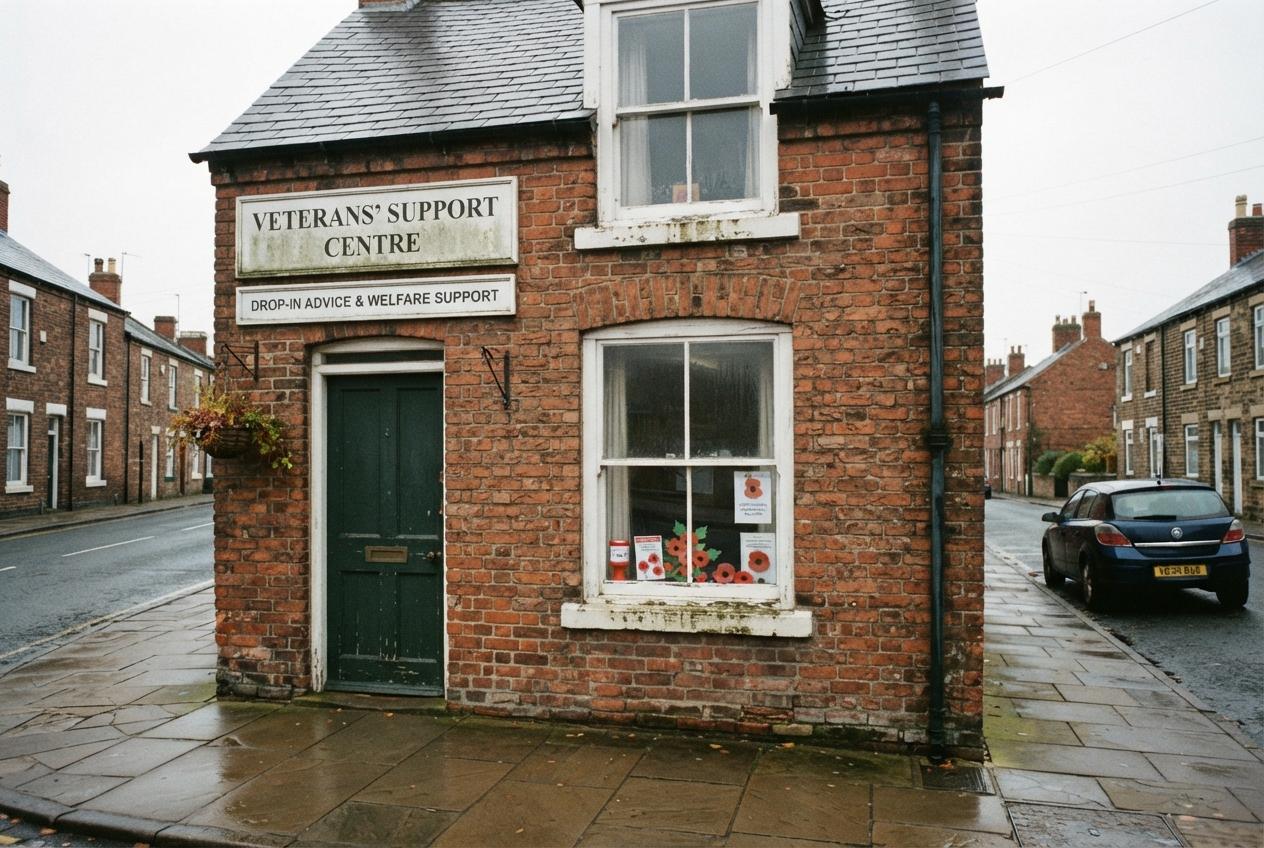
The Royal British Legion is standing by its Pride badge after a Reform UK councillor criticised its presence in the charity’s online shop. The rainbow emblem has reopened a bigger conversation about LGBTQ+ veterans, past military discrimination and what remembrance should include, making the row about far more than a badge.
Essential Takeaways
- The badge’s purpose: The RBL says it shows support for LGBTQIA+ members of the Armed Forces community who have faced discrimination or marginalisation.
- Why the history matters: The UK military lifted its ban on gay and bisexual personnel serving openly in 2000.
- A record of apology: The RBL apologised in 2022 for historic discrimination against LGBT+ people and veterans.
- A separate council issue: Leicestershire councillor Joseph Boam was told to apologise over social media conduct after code-of-conduct complaints.
The Pride badge is staying put
The Royal British Legion has refused to remove its Pride badge from its online shop after Joseph Boam, a Reform UK councillor in Leicestershire, called it an insult to veterans. The charity says the badge is a visible sign of support for LGBTQIA+ Armed Forces personnel who have experienced discrimination because of their sexuality or gender identity.
That explanation gives the emblem a distinctly practical purpose: it signals that the organisation aims to be a welcoming place for people who have not always been treated fairly. In comments reported by LBC, the RBL described visible support as an important show of allyship. (Sources: LBC; Royal British Legion)
The military history behind the symbol
For many LGBTQ+ veterans, the badge carries a history that is difficult to separate from remembrance. Gay and bisexual people were once barred from serving openly in the UK Armed Forces, and the ban was lifted in 2000. The Government has since apologised to veterans for the harmful effects of historic policy. (Sources: GOV.UK; Royal British Legion)
That context matters because remembrance isn't only about the most familiar symbols or stories. It also means recognising those who served while facing prejudice, and acknowledging what institutions got wrong. A small rainbow badge can make that less abstract. (Sources: GOV.UK; Royal British Legion)
The RBL has faced questions before
The Legion's current stance follows a difficult chapter in its relationship with LGBT+ veterans. In 2022, the charity apologised for historic discrimination against the community after campaigners pressed it to recognise past treatment and exclusion. (Sources: Peter Tatchell Foundation; Royal British Legion)
The apology also forms part of a wider effort to address the legacy of exclusion in the Armed Forces. The RBL's statement on the Etherton Review set out its response to recommendations concerning LGBT veterans and historical policy. It's a reminder that institutional trust isn't rebuilt with one statement; it takes visible follow-through. (Sources: Royal British Legion; GOV.UK)
What the councillor row adds to the debate
Boam criticised the badge on Facebook, arguing that supporters of the Poppy Appeal didn't want political agendas. The criticism prompted a wider discussion about whether showing solidarity with LGBTQ+ veterans is political, or simply a way of recognising people who have served. (Sources: LBC; Royal British Legion)
The councillor has also been told to apologise following findings that he breached Leicestershire County Council's code of conduct over social media posts and pressure directed at a former council employee. That separate record doesn't settle the argument about the badge, but it is relevant context for readers weighing the public dispute. (Sources: Harborough Mail)
Why inclusive remembrance matters
Remembrance works best when it makes room for the full range of people who served, including those whose experiences were overlooked or marginalised. For organisations such as the RBL, that can mean pairing familiar traditions with clear signals that every veteran is welcome. (Sources: GOV.UK; Royal British Legion)
The Pride badge is a modest gesture, not a replacement for the poppy or the Poppy Appeal. But symbols can speak plainly: this community belongs here, too. And for veterans who once had to hide part of themselves, that message may mean more than outsiders realise. (Sources: LBC; Peter Tatchell Foundation)
Remembering everyone who served starts with making sure no one is left out.
Source Reference Map
Story idea inspired by: [1]
Sources by paragraph: