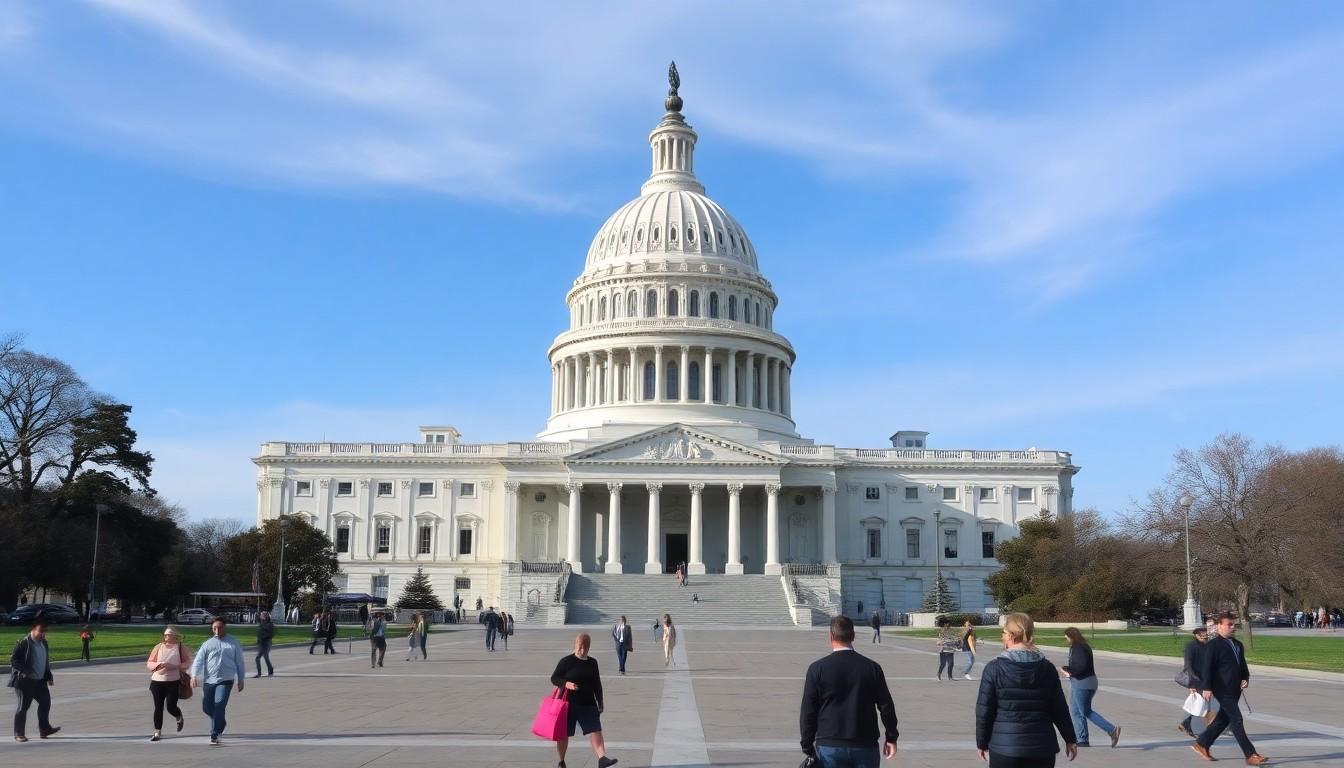
A record number of openly LGBTQ+ lawmakers are expected to take seats in the 120th US Congress in 2027, following the 2026 midterm elections. The incoming group includes two senators and 15 House members, marking a notable shift in representation and putting fresh attention on what the new majority may be able to achieve.
A milestone for LGBTQ+ representation
Eighteen Democrats who identify as LGBTQ+ are expected to serve in the next Congress, including two senators. That would make it the largest openly LGBTQ+ congressional group on record, according to coverage by the Washington Blade.
The headline-making milestone has a clear human dimension: voters have elected more people who bring their own experience of LGBTQ+ life into national debates. But representation alone doesn't settle what Congress can change. Legislation still has to navigate party divisions, the Senate's rules and the president's veto power.
Chris Pappas is headed for the Senate
New Hampshire's Chris Pappas is set to become the first openly gay man elected to the US Senate. He'll join Tammy Baldwin of Wisconsin, who has served in the chamber since 2013, creating a pair of LGBTQ+ voices in a body where each seat carries considerable weight.
Pappas's victory was part of a closely watched New Hampshire race against former governor Chris Sununu. The Associated Press and The Guardian reported on the contest, while Pappas's congressional office has also highlighted his support for LGBTQ+ equality.
New faces arrive in the House
The incoming House group includes seven freshmen and the non-voting delegate from the US Virgin Islands, Janelle Sarauw. Among the new members are Cait Conley, J.D. Ford, JoAnna Mendoza, Jeremy Moss, Marni von Wilpert and Scott Wiener.
That mix of newcomers and returning lawmakers broadens the range of LGBTQ+ representation on Capitol Hill. The Washington Blade's election coverage and the Human Rights Campaign's 2026 report both tracked the strong results for LGBTQ+ candidates and endorsed campaigns.
A bigger presence, but a difficult path for legislation
Democrats are projected to hold a substantial House majority, and the Associated Press described the midterms as a major shift in the balance of power. Even so, a large majority doesn't automatically translate into a law. Overriding a presidential veto requires two-thirds support in both chambers, a demanding threshold that can put ambitious proposals out of reach.
For readers following the policy consequences, the useful distinction is between representation and legislative power. More LGBTQ+ lawmakers can shape debate, raise issues and scrutinise government decisions; turning priorities into federal law depends on votes, procedure and the White House.
What voters' choices signal
The Human Rights Campaign reported that all of its endorsed LGBTQ+ federal candidates won, alongside 97.7% of its state-level endorsements. Those figures offer one measure of the election's impact, though endorsements are only part of the wider story of how candidates fared.
The coming Congress will test how far this expanded representation can influence policy. For now, the change is significant in its own right: more people will see lawmakers with shared experiences taking part in decisions made on their behalf.
It's a record-setting shift in representation, with the hard work of governing still ahead.
Source Reference Map
Story idea inspired by: [1]
Sources by paragraph: