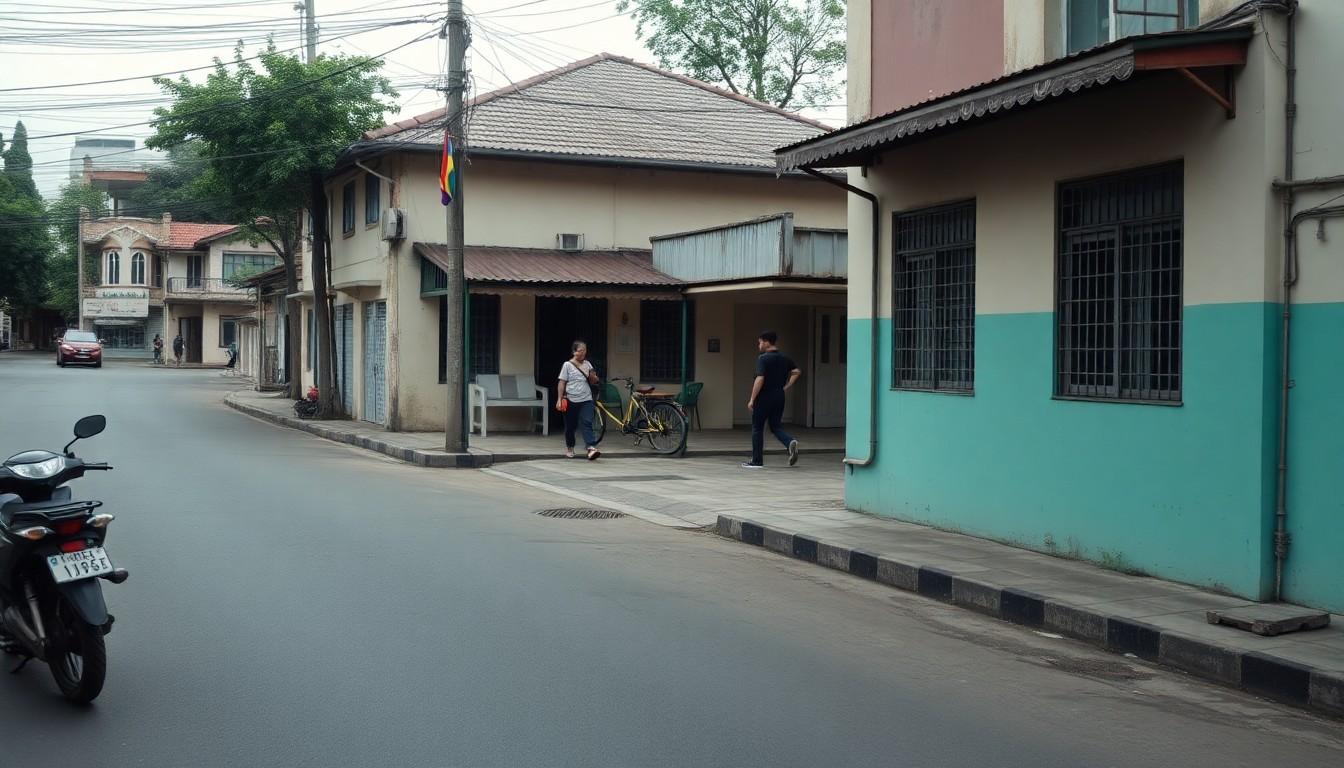
A national defence policy in Indonesia has described the spread of LGBTQ culture as a non-military threat, as videos show self-styled “boti hunters” chasing trans women in Bogor. The gap between official language and life on the street matters: when a group is cast as a danger, harassment can begin to look like public service.
Essential Takeaways
- A policy with consequences: Presidential Regulation No. 111 of 2025 lists the spread of LGBTQ culture among non-military threats to Indonesia.
- Violence in Bogor: Amnesty International Indonesia reported that at least ten trans women were targeted there over two months.
- A troubling distinction: Officials have argued that the policy targets “culture”, not LGBTQ+ people, but the line can be hard to separate in practice.
- Legal protections remain limited: ILGA-Europe’s 2026 Rainbow Map ranked Romania lowest among EU member states for LGBTQ+ legal and policy conditions.
- Words shape behaviour: A label that frames a group as a threat can help make prejudice seem legitimate.
When “clean-up” becomes a chase
The Bogor videos have the giddy, performative energy of boys showing off for a camera, until the people they’re pursuing start running. The riders call themselves “boti hunters” and shout that they’re cleaning up the streets. It’s a chilling contrast: laughter on one side of the phone, fear on the other. Amnesty International Indonesia reported that at least ten trans women were targeted in Bogor over a two-month period, with some victims forced to strip and having their clothes torn.
The videos didn’t appear in a vacuum. They circulated in a climate where Indonesia’s 2025–29 defence policy identifies the spread of LGBTQ culture as a non-military threat. As ABC News reported, the footage drew attention to the attacks and the way anti-LGBTQ rhetoric can spill into daily life. For the people being chased, the distinction between a policy phrase and a street-level threat is hardly academic.
What Indonesia’s policy says, and what it doesn’t
Presidential Regulation No. 111 of 2025 sets out the country’s general defence policy for 2025 to 2029. The Library of Congress summary notes that it includes the “spread of LGBTQ culture” in a list of non-military threats, alongside issues such as terrorism, separatism and narcotics. That wording matters because it gives a political label to a broad and diverse part of ordinary life.
Officials have tried to draw a boundary between LGBTQ+ people and LGBTQ+ “culture”. But a label can be difficult to contain once it enters public debate. If people hear that a culture is dangerous, it’s reasonable to ask who they’ll identify as its supposed carriers, and what treatment those people may face.
Why the distinction between identity and abuse matters
The personal essay behind this story traces how a religious boarding-school upbringing shaped the author’s early understanding of sexuality. In that closed environment, rumours of abuse and teachings about sin became tangled together. Only later did the author come to understand that abuse is about coercion and power, not the same thing as consensual love between people of the same sex.
That distinction is worth holding on to. Harmful conduct should be addressed as harmful conduct, with attention to consent and evidence, rather than used to stigmatise an entire group. Research published in Computers & Education offers a wider reminder that educational settings and the ways they handle sensitive topics can influence how young people understand themselves and others.
Romania offers a different, imperfect comparison
The author’s time in Romania brought everyday contact with queer people whose lives looked, well, ordinary: studying, dating, missing buses and worrying about exams. That familiarity challenged assumptions built on fear. It didn’t mean Romania was free from prejudice, though, and the story also describes how the author experienced being reduced to a Muslim stereotype.
There’s a useful lesson in that uncomfortable symmetry. Nobody wants their whole identity flattened into a single label, whether it’s religion or sexuality. ILGA-Europe’s 2026 Rainbow Map ranked Romania lowest among EU member states for legal and policy conditions affecting LGBTQ+ people, a reminder that personal acceptance and formal rights don’t always move at the same pace.
How to read the rhetoric, not just the headline
When a government or public figure calls a group a threat, look closely at what the wording actually covers. Is it aimed at specific, demonstrable conduct, or at a broad idea that can be used to cast suspicion on people simply for who they are? That distinction can help readers separate a policy claim from its real-world effects.
It’s also worth following independent reporting and human rights organisations, rather than relying on viral clips alone. Amnesty International Indonesia’s account documents the reported targeting in Bogor, while ABC News reported on the broader controversy around the policy and the attacks. Videos can show a moment; careful reporting helps establish what happened and who may be at risk.
A label meant to describe a “culture” can still land on real people, in real streets.
Source Reference Map
Story idea inspired by: [1]
Sources by paragraph: