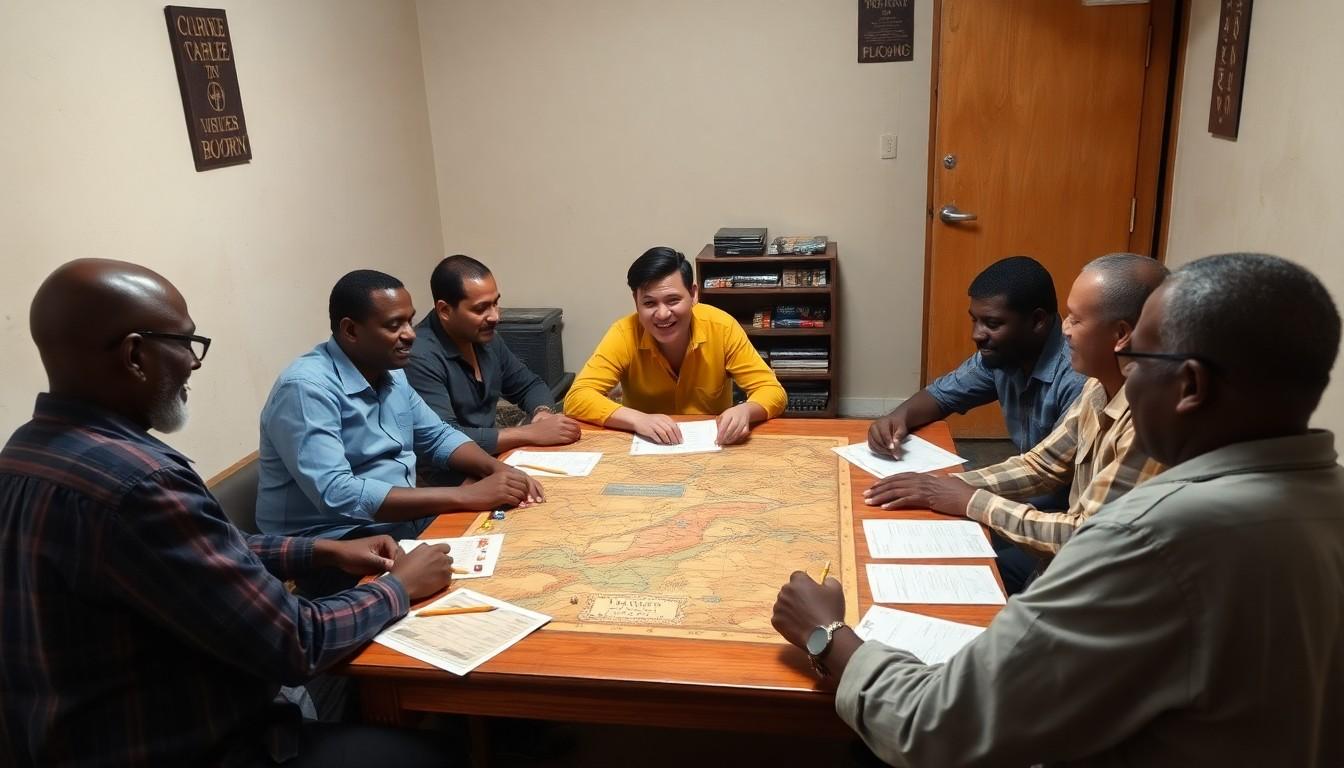
A Dungeons & Dragons campaign can be more than a fantasy adventure. For one queer player, taking on a brave character became a gentle way to practise being seen and accepted, while the shared storytelling created a sense of community around the table. Research and reporting on LGBTQ+ experiences in Kenya offer important context for why that kind of safe space can matter.
A fantasy table became a place to feel at home
Dungeons & Dragons begins with an imagined world, a handful of dice and a group willing to make a story together. But for one player, the game offered something strikingly real: a way to reveal his sexuality among fellow players and discover that he belonged. [2], [3]
The welcome wasn’t delivered as a grand speech. The group simply carried on playing, making room for him as part of the party. Sometimes acceptance is most powerful when it feels ordinary. [2], [4]
Playing someone else made courage feel possible
His character, a half-elf ranger called Kael, was brave, loyal and imperfect. Building and playing that hero gave the player a chance to try out confidence and speak more freely, without needing to get every moment right. [2], [7]
That’s one of tabletop role-playing’s particular charms: there’s no screen between the players, and the story takes shape through shared choices and conversation. A fictional persona can offer useful breathing room, though it doesn’t make every table automatically safe or welcoming. [2], [3]
Kenya’s context makes that welcome especially meaningful
The player described growing up in Nairobi, where he felt he had to hide his sexuality. That personal account sits alongside wider reporting on the experiences and public perceptions of sexual and gender minorities in Kenya. [5], [6]
Against that backdrop, finding a queer-friendly group wasn’t simply a pleasant hobby discovery. It became a place to build trust and connection, particularly after he’d struggled to feel at ease in other social settings. [6], [7]
A good game group starts with simple ground rules
For anyone looking for a welcoming D&D group, begin with the people, not the perfect character sheet. Ask how the Dungeon Master handles boundaries, difficult themes and disagreements, and whether newcomers can learn the rules as they go. [2], [3]
It also helps to remember that players can contribute at their own pace. Nobody should have to disclose personal details to earn a place at the table, and a group’s warmth is easier to judge through its everyday actions than its grand promises. [4], [6]
The adventure ends; the sense of belonging can last
The original group eventually drifted apart as life and schedules changed, but some friendships endured, and the player continued to play. The lasting gift wasn’t just a memorable campaign: it was the reminder that there are spaces where he can take up room as himself. [2], [7]
That’s a lovely thing for a game to offer. Not a substitute for wider support, but a shared world where people can practise trust, tell stories and, dice permitting, find their people. [2], [3]
A welcoming table can make room for more than one kind of hero.
Source Reference Map
Story idea inspired by: [1]
Sources by paragraph: