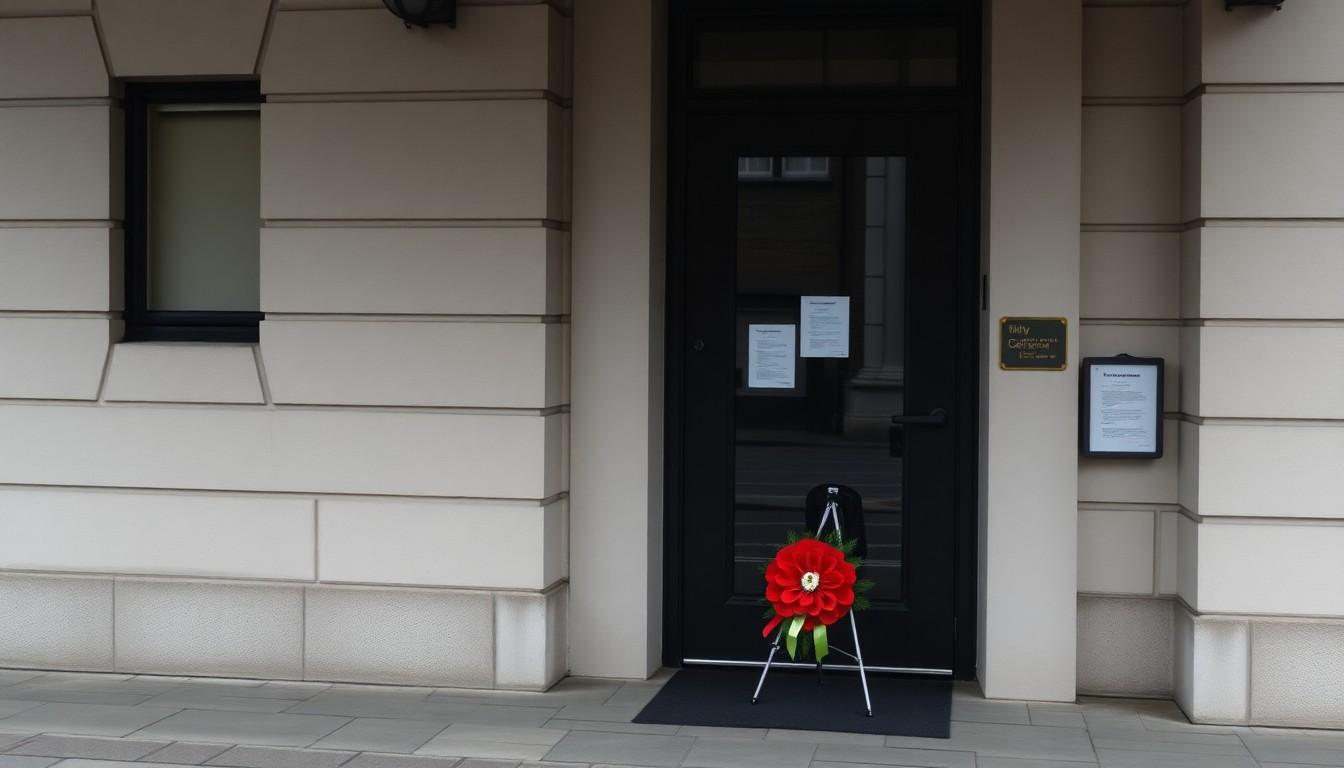
A reported Foreign Office calendar for 2026 lists more than 100 awareness dates, including events focused on LGBTQ+ communities, mental health and neurodiversity. But reports say it leaves out Remembrance Sunday, prompting questions about how official calendars balance inclusion with Britain’s national commemorations.
A crowded calendar, with one notable omission
The reported Foreign Office calendar is packed: more than 110 awareness dates feature across the year, from mental health and neurodiversity observances to events focused on transgender and intersex communities. Yet Remembrance Sunday is reportedly missing, a striking gap in a calendar intended to help diplomats keep track of occasions. [2], [3]
The distinction matters. Remembrance Day, held on 11 November, is reportedly listed, while the Sunday observance is not. The two are closely connected, but Remembrance Sunday has its own place in the national calendar, with ceremonies honouring those who died in service. [3], [4]
Why Remembrance Sunday carries particular weight
Each November, the Cenotaph service in London gives Remembrance Sunday a visible public focus. The Ministry of Defence publishes an official order of service, while the British Army describes remembrance as an occasion to honour service personnel who have died in conflict. [4], [5]
That tradition helps explain why the reported omission has attracted attention. An awareness calendar may be practical rather than ceremonial, but leaving out a major national observance can still look like a statement, even if the reason is simply an editorial oversight. [2], [5]
Awareness dates are multiplying
The Foreign Office list is part of a much wider landscape of awareness events. Universities and local authorities also publish calendars covering identity, health, community and cultural observances, giving staff and residents ways to recognise dates that might otherwise pass unnoticed. [6], [7]
The upside is breadth: a carefully used calendar can help organisations plan events and show consideration for different communities. The trade-off is space and emphasis. With hundreds of possible dates to choose from, the selection inevitably raises questions about what gets included and what gets missed. [6], [7]
What the calendar does, and doesn't, tell us
A list of dates is not necessarily a measure of official priority. It can be a prompt for communications or workplace activities, rather than a complete record of national anniversaries and commemorations. Still, the reported contrast between the listed Remembrance Day and omitted Remembrance Sunday is easy to notice. [2], [3]
The available material doesn't establish why the Sunday observance was left out. That makes it sensible to separate the reported fact of the omission from any claim about motive. Calendars can be revised, and a missing date may reflect a simple gap rather than a deliberate choice. [2], [4]
A useful reminder to check the full picture
For readers comparing observances, the clearest approach is to check dedicated sources: Parliament’s research briefing for background, and government or military pages for official Remembrance Sunday details. That gives a fuller picture than any single awareness calendar can provide. [3], [4], [5]
And for organisations drawing up their own lists, a quick review against major civic, cultural and community dates can prevent an avoidable omission. A calendar is only a tool, but the dates it highlights can shape what people notice. [6], [7]
A balanced calendar can make room for both community awareness and national remembrance.
Source Reference Map
Story idea inspired by: [1]
Sources by paragraph: