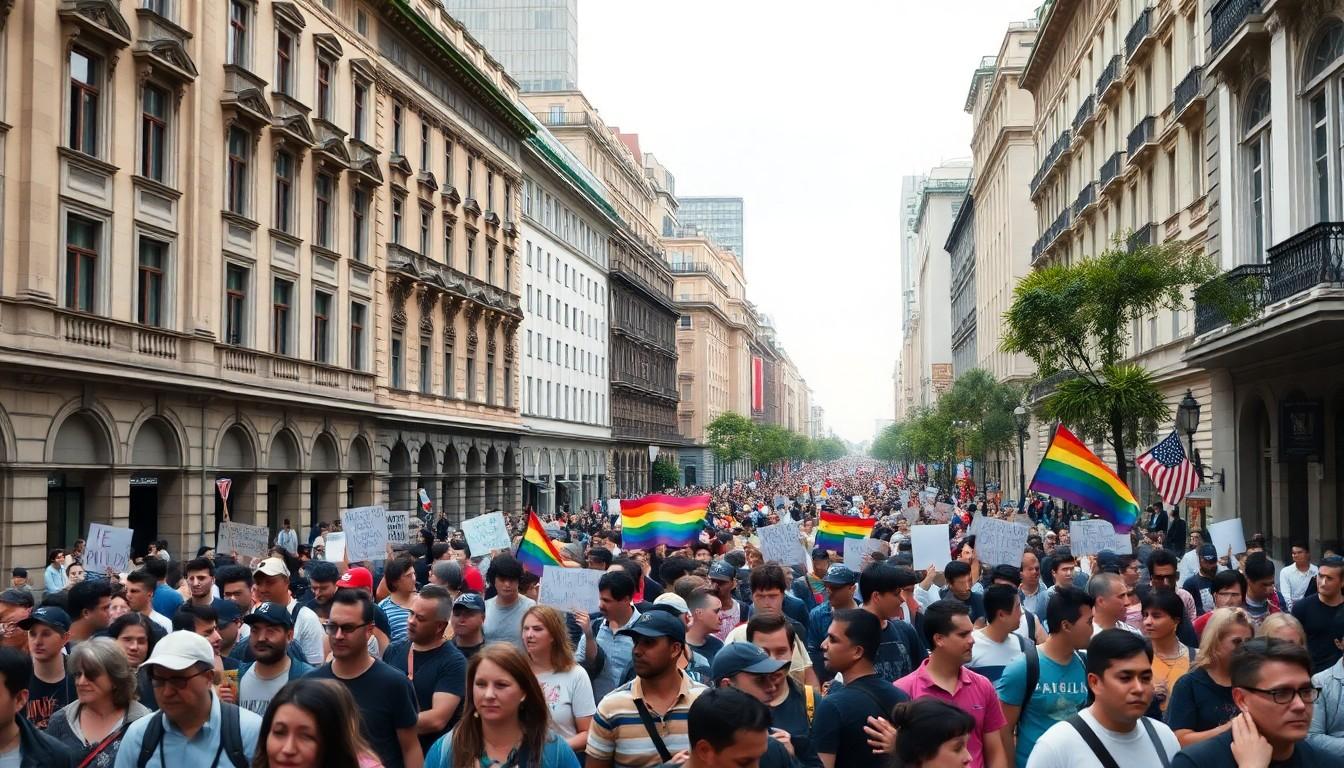
A political figure joined Buenos Aires Pride and made a personal appeal for the freedom to live and love openly. Damián Arabia, a politician close to Patricia Bullrich, said people shouldn't have to hide who they are for fear of family rejection, lost friendships or workplace discrimination. His message landed amid a huge march combining celebration with calls for stronger rights.
A personal message, not a party slogan
Arabia used his appearance at Buenos Aires Pride to make a simple point: people should be able to live and love freely, without government interference in their private lives. In a social media post, he also described the everyday fears that can make people conceal who they are, from family disapproval to being sidelined at work. Noticias Argentinas reported on his participation and comments. [2]
He stressed that being gay is one part of his identity, not the whole of it. His message also named the relationships, plans and beliefs that make up an ordinary life, a reminder that no one should be reduced to a single label. [7]
Pride brought celebration and protest together
Buenos Aires hosted its 35th Pride March in the city centre, drawing a reported crowd of around three million. The day's slogan called for pride to reach positions of power and rejected hatred, while music and a craft fair added a festive feel before the march set off from Lima and Avenida Belgrano. Noticias Argentinas and Ámbito covered the event and its arrangements. [3], [4]
But the colour and music weren't the whole story. Marchers also called for an Integral Trans Law and an Anti-Discrimination Law, alongside better sexual health provision and concern about cuts to healthcare. News Digitales reported on the event's mix of performances, tributes and demands. [8]
The march carried urgent concerns, too
Recent violence against a group of trans women in Palermo's woods added a sombre note to the day's demands. The Buenos Aires Ombudsman's Office said it had received the women affected by the attack, while Clarín reported that investigators were seeking witnesses and reviewing security footage. [5], [6]
That context helps explain why Pride can feel like both a party and a public appeal. A welcoming atmosphere matters, but so do safety, healthcare and legal protections once the march is over. [5], [8]
What Arabia's appeal says about belonging
Arabia said he hoped the day would welcome people regardless of their political views or how they choose to live. He also called for respect between people who disagree, a message that sits neatly alongside Pride's wider call for acceptance. Noticias Argentinas reported his remarks. [2]
There's a useful distinction here: celebrating diversity doesn't require everyone to think alike. It asks people to make room for one another, especially when being open still carries a personal cost. [3], [7]
A day that holds joy and resolve
Buenos Aires Pride included a tribute to activist Taty Almeida, as well as music, marching and demands directed at the government. The programme reflected the event's dual character: a celebration of identity and a gathering shaped by memory, solidarity and unfinished work. Ámbito and News Digitales reported on the day's tributes and events. [4], [8]
Arabia's message was personal, but it echoed a wider point: freedom feels most meaningful when people can live openly without fear. Pride's joy is real, and so is the reason people keep marching. [2], [3]
It's worth celebrating the joy, while listening to the calls for change.
Source Reference Map
Story idea inspired by: [1]
Sources by paragraph: