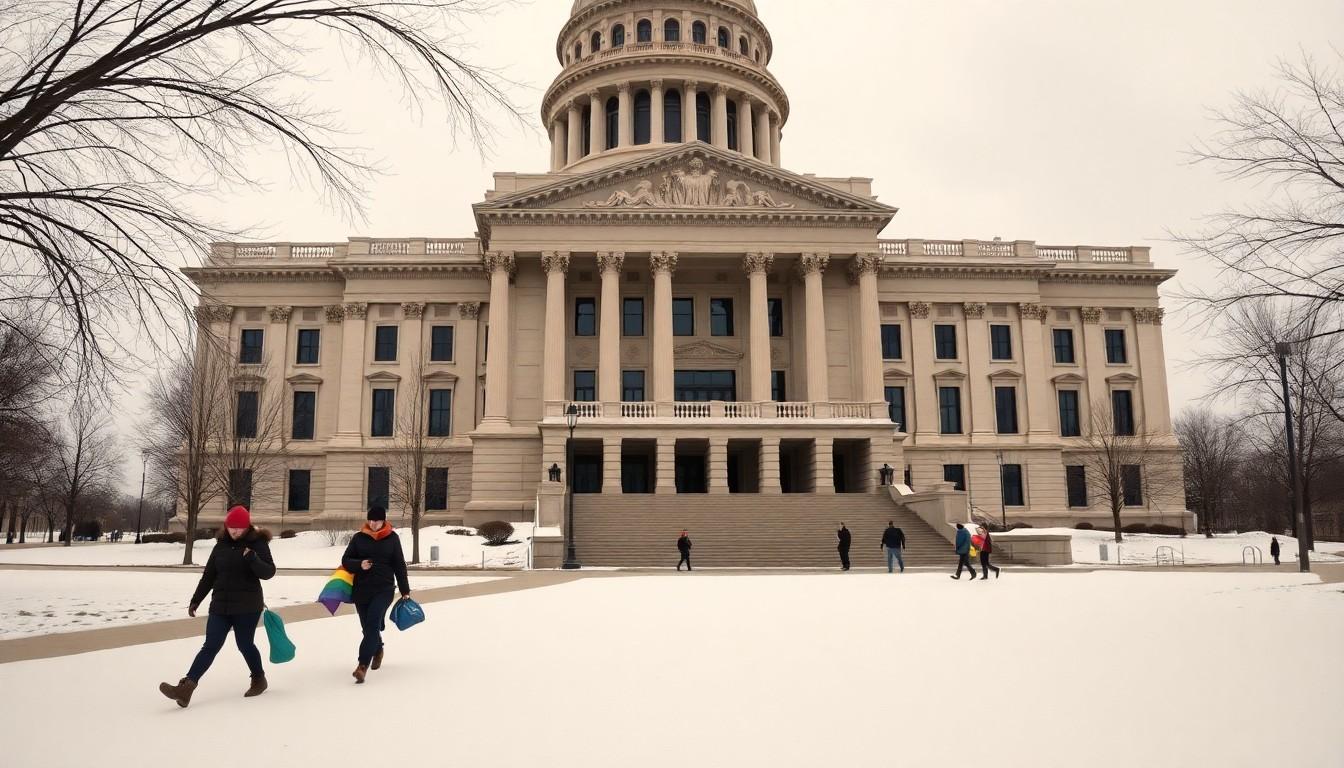
Colorado voters have approved two measures concerning transgender people, leaving advocates, families and the state’s incoming Democratic leaders facing difficult questions. The votes came amid strong Democratic election results, a contrast that has sharpened debate over how the measures passed, what they mean and whether legal or legislative action could follow.
Essential Takeaways
- Both measures passed: Colorado voters approved Propositions 134 and 135 in the 2026 election, according to state results.
- The proposals address transgender people: The ballot measures concern transgender participation in sports and gender-affirming care, as outlined in voter information.
- The results cut across party lines: The Colorado Sun’s opinion column describes a Democratic voter who opposed President Donald Trump but supported both propositions.
- The next steps are unsettled: Legal challenges and possible legislative action are among the paths raised in the debate.
Two ballot measures passed in a strongly Democratic year
The contrast is striking: Colorado voters backed two measures affecting transgender people even as Democrats made major gains across the state. That unexpected split has prompted questions about how voters viewed the proposals, and how ballot campaigns can succeed even where the broader political mood appears progressive. Election reporting from Axios and NPR tracked the results.
The measures focused on transgender participation in sports and gender-affirming care. Colorado’s official voter guide set out the proposals for voters, while Colorado Public Radio’s pre-election explainer described the issues they raised.
What Propositions 134 and 135 set out to do
The ballot questions brought contested issues involving transgender people directly to voters. Associated Press coverage placed Colorado’s vote alongside similar debates in other states, including questions about sports participation.
For voters, the measures offered a chance to register a view on policy. For transgender people and their families, however, the outcome carries a more personal weight: rules debated in campaign materials can affect people’s everyday experiences at school and when accessing care. The official voter guide and Colorado Public Radio’s explainer provide context on the proposals.
The political result isn't a simple red-versus-blue story
The votes complicate any easy assumption that a Democratic electorate will automatically reject proposals backed by conservative campaigners. The Colorado Sun’s column describes one liberal voter who supported the propositions despite opposing Trump and backing Democratic candidates. That account is anecdotal, but it points to a broader challenge: ballot questions can draw voters into a debate on one issue at a time.
Campaign messaging matters, too. Colorado Public Radio’s pre-election coverage and Axios’s guide to Proposition 134 set out how the questions were presented to voters. The contrast between the measures’ passage and Democrats’ wider electoral success is reflected in Axios and NPR’s results coverage.
What could happen now?
The Colorado Sun’s columnist argues that the measures could face legal challenges or legislative action, and says they are statutory measures that lawmakers could change. Those are possible routes raised in the debate, not a guarantee that either will happen.
For anyone trying to follow what comes next, start with the official voter guide for the text and purpose of the propositions, then watch for updates from state officials and the courts. That helps separate confirmed developments from campaign claims or speculation.
Why the debate may last beyond election night
The vote has made transgender policy a central question for Colorado’s incoming leaders, while advocates on both sides are likely to keep pressing their case. The political pressure is especially evident in the tension between respecting the ballot result and responding to concerns about its impact.
And that is why the story doesn't end with the count. What lawmakers, courts and community groups do next will shape how the measures are understood and applied. For a clearer picture, follow official updates alongside reporting that explains the proposals and their implications.
It's worth keeping an eye on the next steps, not just the election-night result.
Source Reference Map
Story idea inspired by: [1]
Sources by paragraph: