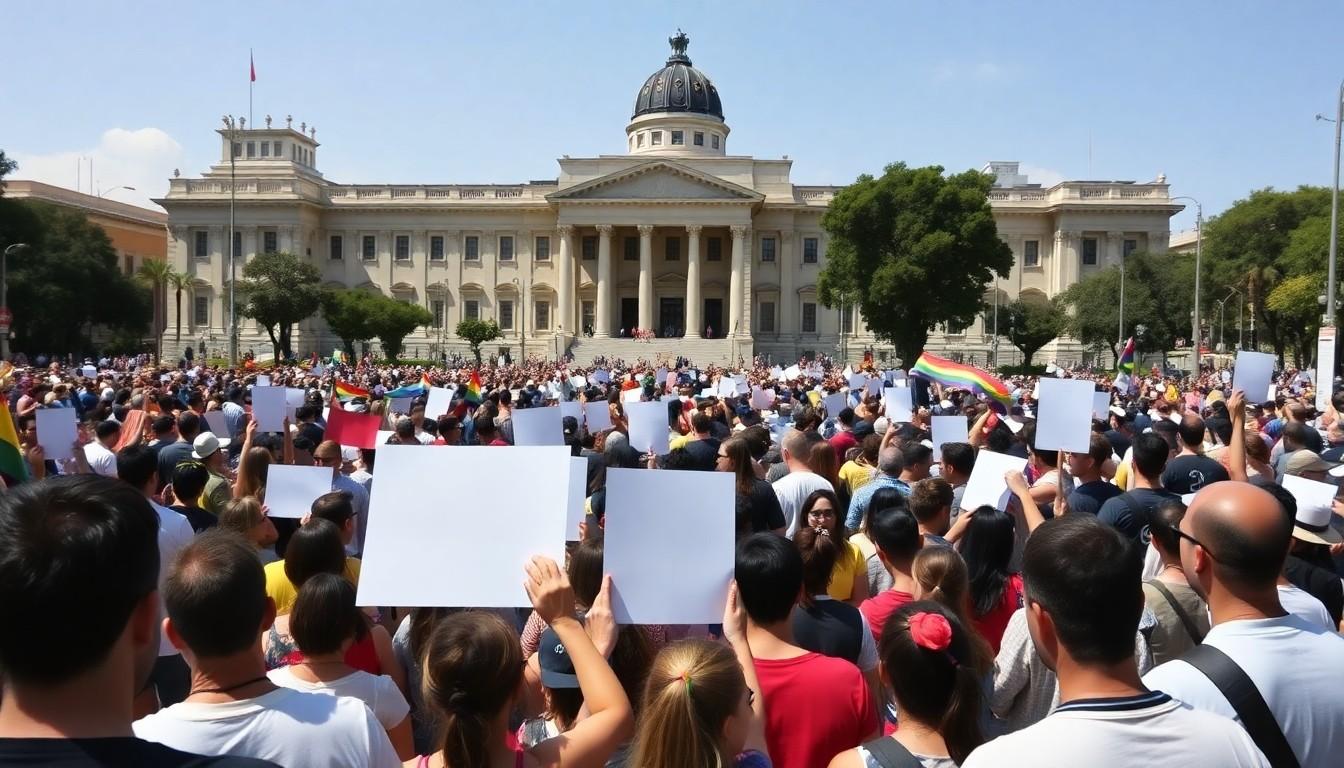
Thousands gathered in Buenos Aires for the 2026 Pride March, taking a changed route towards Congress as the city prepared for Pope Leo XIV's visit. Under the message that pride in the streets is resistance when hatred advances, the march brought LGBTQ+ rights, recent attacks on trans women and calls for historical reparation into sharp focus.
Essential Takeaways
- A new route: The march set off from the area around Avenida 9 de Julio and Avenida de Mayo, heading towards Congress.
- A defiant message: Its official slogan framed public pride as a response to rising hatred.
- Rights at the centre: Marchers highlighted recent reported attacks on trans women in Palermo and demands for historical reparation.
- A large public gathering: Thousands joined the event from early on Saturday, 7 November.
Pride fills the streets as the march heads to Congress
The 2026 Buenos Aires Pride March brought thousands into the streets on Saturday, 7 November, with a route that led towards the National Congress. The official message, "When hatred advances, pride in the streets is resistance", gave the day a resolute edge: this was a celebration, but it was also a public statement about safety and equal rights.
The crowd began gathering in the morning, turning the city centre into a colourful, noisy show of solidarity. And while Pride marches are often joyful by nature, this year's focus made clear why visibility still matters.
Why the 2026 Pride March took a different route
For the first time, the march began near Avenida 9 de Julio and Avenida de Mayo before continuing towards Congress. The change from the traditional route was linked to security arrangements ahead of Pope Leo XIV's imminent visit to Buenos Aires.
A route change might sound like a small logistical detail, but it shaped the march's journey through the city. The destination also put the demonstrators' demands in sight of the country's political institutions.
Attacks on trans women sharpened the call for safety
The march took place amid reports of recent attacks on trans women in the Palermo neighbourhood. Those incidents gave added urgency to calls for protection and accountability, alongside the broader demand for an end to discrimination and violence.
For many people taking part, public visibility is more than a festive gesture. It's a reminder that feeling safe in everyday life remains an unfinished goal for many in the LGBTQ+ community.
Historical reparation remains part of the demand
Alongside calls for safety, marchers raised the issue of historical reparation for the LGBTQ+ community. The demand reflects a wider effort to recognise past harms and address their continuing effects, rather than treating Pride as a once-a-year celebration detached from public policy.
That mix of celebration and protest is part of what gives the march its force. There were reasons to cheer, but also clear reasons to keep asking for change.
What the march's message means beyond the day
The slogan about pride resisting hatred connected the day's public celebration with the concerns shaping it. It wasn't simply a line for banners; it captured the tension between hard-won visibility and continuing reports of hostility.
The crowd's presence offered a moment of solidarity, while the demands pointed to work still ahead. For anyone following LGBTQ+ rights in Argentina, this year's march made both sides of that story visible.
A packed street can make a powerful statement, but lasting safety and recognition need to follow people home.
Source Reference Map
Story idea inspired by: [1]
Sources by paragraph: