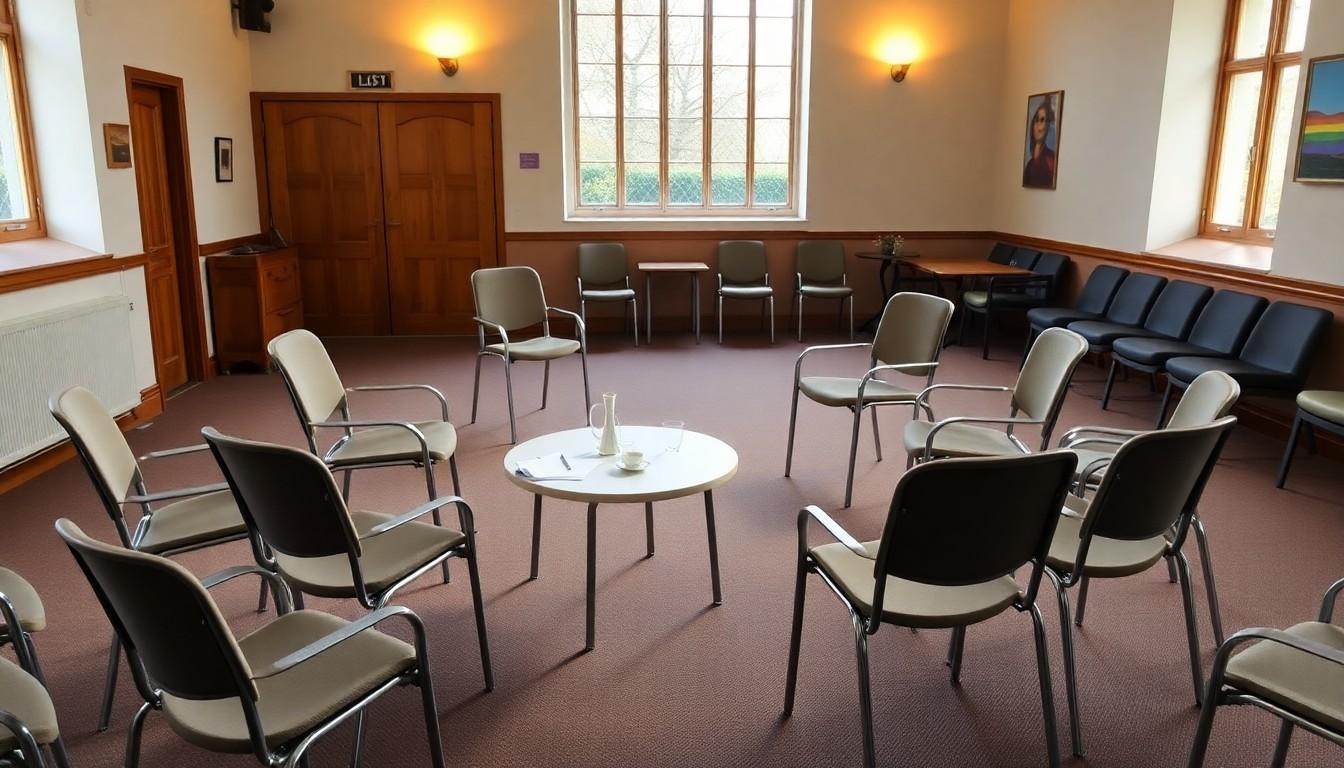
A Barneveld discussion group is creating space for LGBT+ people, relatives and Christians to talk about faith, identity and acceptance. Its twice-yearly evenings focus on listening rather than taking a church position, offering a welcoming place for people who may be carrying difficult questions alone.
A safe space for difficult questions
Questions about sexuality, identity and faith can reach well beyond the person asking them. In Barneveld, organisers say that parents and other relatives may also need time and support as a family adjusts and works out what acceptance looks like.
The Hervormde Gemeente Barneveld’s LGBT+ Contact Group holds discussion evenings twice a year. Its approach is deliberately open: participants can share different views without being judged, and the meetings don’t set out an official church position. [2]
Parents are part of the conversation, too
One organiser has spoken about his family’s experience after his son came out. He says the moment also became a turning point for him and his wife, prompting questions about how to support their child while navigating reactions from others, including within church circles.
That experience is one reason the group wants families to feel less isolated. The organisation Wij de Ouders offers support and connection for parents of LGBT+ children, recognising that relatives may need space to process their own feelings as well as to offer care. [4]
Faith and LGBT+ acceptance can be complex
For some Christians, questions about sexuality are closely tied to belief, community and belonging. Movisie’s work on strengthening the position of Christian LGBT+ people highlights the importance of understanding the pressures that can arise when identity and religious life meet.
That doesn’t mean every participant will reach the same conclusion. The Barneveld group’s stated aim is more modest, and perhaps more useful: to listen carefully, make room for disagreement and help people understand one another better. [5], [7]
What to expect at a discussion evening
The local contact group’s meetings are designed as conversations, rather than debates with a winner. The organisers say people can discuss their experiences and questions in a respectful setting, without being pressed to make a particular decision about God, church or relationships.
For anyone considering attending, it may help to remember that you don’t need to arrive with a settled view or a polished story. The group’s agenda lists its activities, while its contact page provides information about the LGBT+ group. [2], [3]
Why listening matters
The need for supportive spaces is part of a wider conversation about LGBT+ wellbeing in the Netherlands. The Dutch Social and Cultural Planning Office’s LGBT Monitor examines experiences and circumstances across LGBT+ communities, offering broader context for why acceptance and social support matter.
A single evening won’t answer every question, but being heard can be a meaningful start. Sometimes the most helpful thing a community can offer is the chance to speak honestly without having to defend who you are. [6]
A thoughtful conversation can make a difficult journey feel less solitary.
Source Reference Map
Story idea inspired by: [1]
Sources by paragraph: