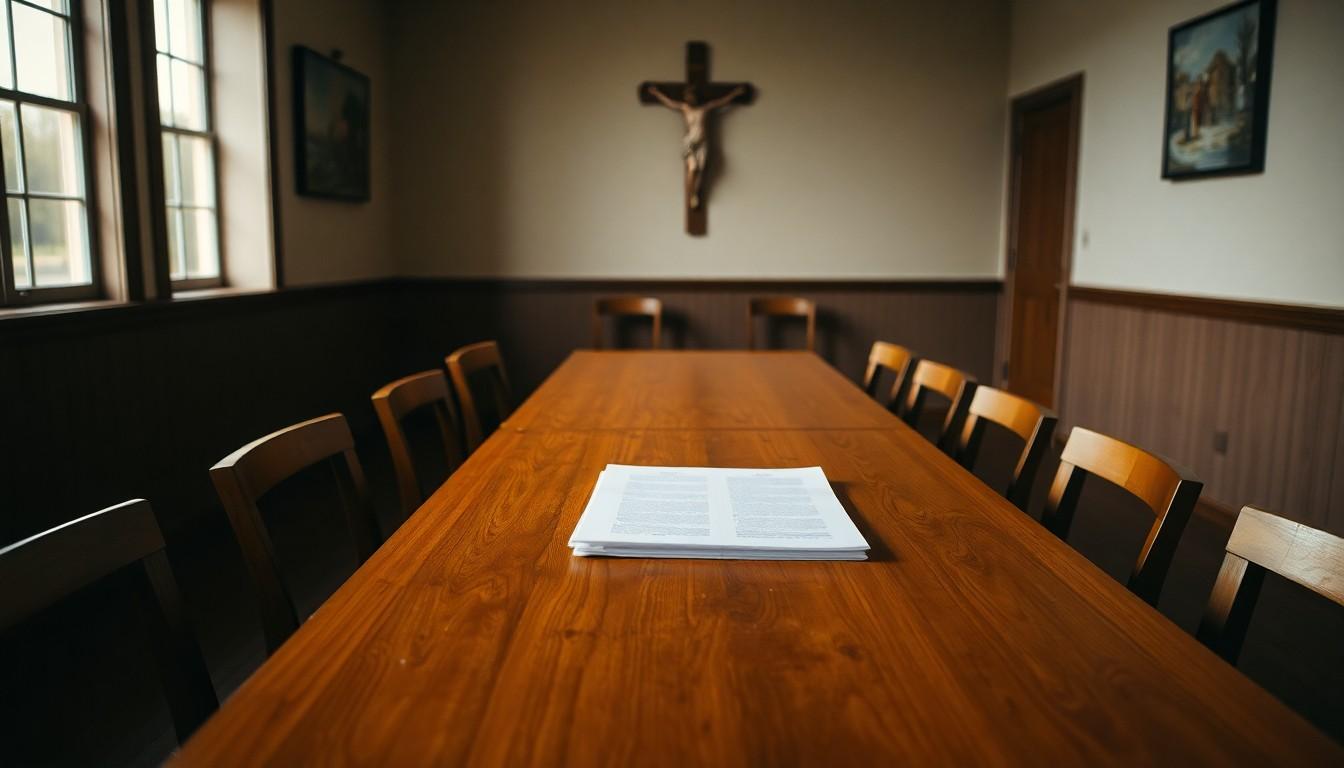
Forty years after the Vatican issued its “Halloween Letter” on the pastoral care of gay people, LGBTQ+ Catholics are still reckoning with its impact. For some, the document marked a breaking point with the Church; for others, it strengthened their resolve to build welcoming communities and speak out. Its legacy is a story about faith, belonging and who gets to feel at home.
The 1986 letter left a mark far beyond its pages
The 1986 Vatican letter on the pastoral care of homosexual persons remains a turning point for many LGBTQ+ Catholics. Some remember the shock of seeing its language in an official Church document; others describe a more familiar feeling of disappointment, as though a door they’d hoped might open had quietly shut.
The document was issued by the Congregation for the Doctrine of the Faith, then led by Cardinal Joseph Ratzinger, who later became Pope Benedict XVI. New Ways Ministry’s anniversary account, drawing on reflections from Catholic advocates and community leaders, describes the letter as a crossroads: some people left the Church, while others stayed and organised. (Sources: New Ways Ministry; National Catholic Reporter.) [2], [6]
A hopeful period came before the backlash
The letter arrived after years in which some Catholics saw signs of a more open conversation. A 1971 bishops’ document, Justice in the World, placed social justice at the heart of the Church’s mission. Meanwhile, DignityUSA was building a network of LGBTQ+ Catholic groups, many meeting in local church spaces. [5], [7]
There were also theological debates about sexuality. A 1975 Vatican declaration acknowledged that some people were gay by innate disposition or an incurable condition, and called for understanding and support. That wording didn’t amount to acceptance of same-sex relationships, but it formed part of the backdrop against which the 1986 letter landed. [4]
For some Catholics, it became the last straw
The reaction among LGBTQ+ Catholics was painful and varied. New Ways Ministry’s account records people describing horror, shock and resignation, while some who had found community in church-based groups decided they could no longer stay. Local dioceses also began refusing to host some LGBTQ+ Catholic meetings and workshops. [2]
That loss was more than a change of venue. For people who had built friendships and a sense of belonging around these groups, being pushed out could make the Church feel much less like home. DignityUSA’s history reflects the organisation’s role in creating community for LGBTQ+ Catholics and their supporters. [7]
Others found renewed purpose in community
Not everyone responded by leaving. For some advocates, the letter made their work feel more necessary, sharpening their commitment to challenge discrimination and create safer spaces within Catholic life. New Ways Ministry’s history describes how the organisation continued its programmes and workshops with support from communities of women religious. [2]
That split response is part of the document’s lasting significance. A Church teaching can shape people’s lives not only through what it says, but through what happens around it: which groups are welcomed, which doors close, and who chooses to keep showing up. [2], [6]
Its legacy is still being argued over
The Vatican’s 1986 letter is a historical document, but its influence hasn’t stayed in the past. The Church’s own text remains available alongside the earlier 1975 declaration, making the shift in language and emphasis possible to read directly. [3], [4]
For LGBTQ+ Catholics, the anniversary is less about marking a date than asking what belonging should mean in practice. Some have walked away; others remain and work for change. Either way, their experiences are part of the Church’s story. [2], [6]
A document can be decades old and still shape who feels welcome.
Source Reference Map
Story idea inspired by: [1]
Sources by paragraph: