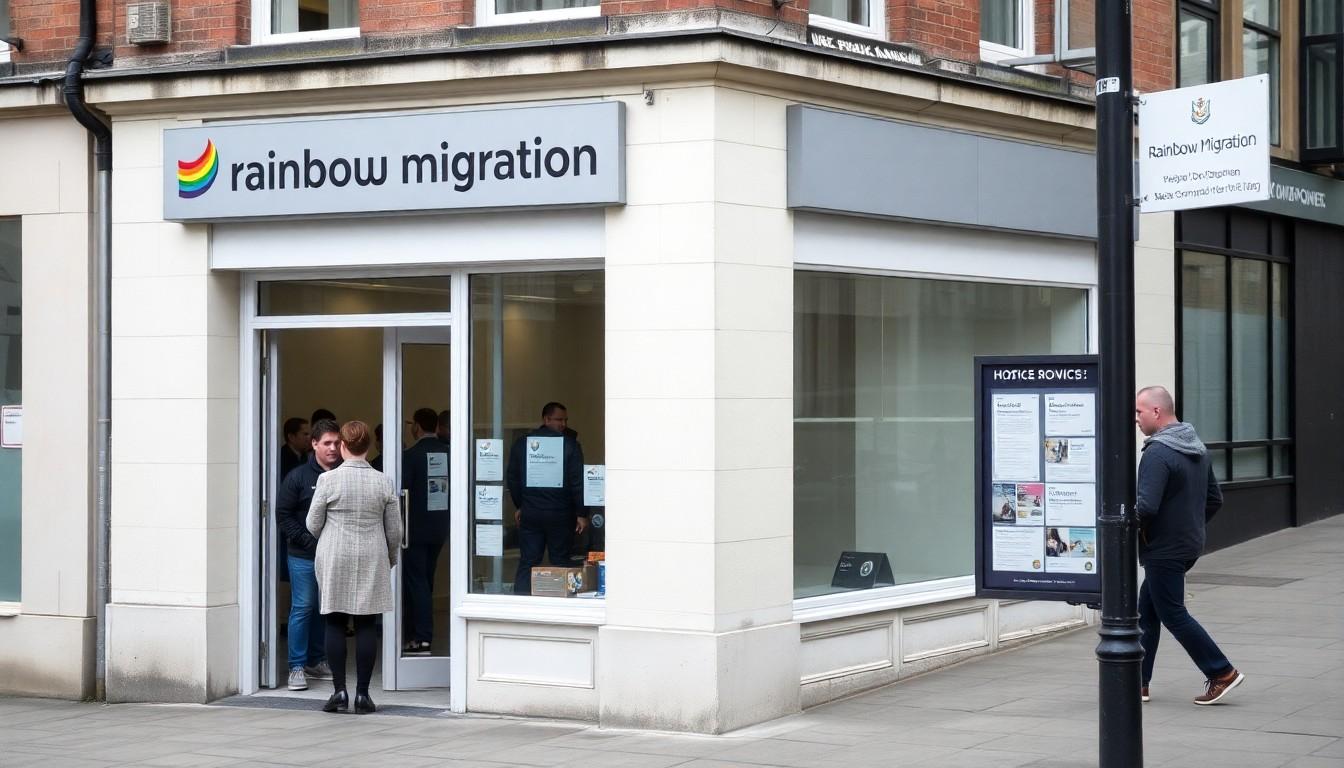
A charity supporting LGBTQI+ people seeking asylum in the UK has faced criticism over how it uses public grant funding. Its accounts and government data offer useful context: they show the scale and purpose of the support, while also making clear that funding for core costs is not, by itself, evidence of wrongdoing.
What the accounts say about Rainbow Migration funding
Rainbow Migration received £952,000 in National Lottery funding across 2023 and 2024, according to the figures cited in the reports. The charity's 2023 accounts provide a primary record of its finances, including income and spending, and describe funding for staffing and core costs. [2]
Core funding can help a charity pay for the less visible work behind its services, such as staff time and day-to-day operations. That may not sound dramatic, but it can be what keeps advice and support available when people need it. The amount alone doesn't show whether a grant was used properly or whether particular activity was funded. [2] [6]
Why the grant has attracted political criticism
Critics argue that lottery funding should not support political campaigning, while Rainbow Migration's public work includes advocacy on immigration detention and asylum policy. Those are distinct questions: what the charity campaigns for, and what a particular grant allowed it to spend money on. The accounts and grant records are the place to check the funding details. [2] [6] [7]
The charity's website also publishes commentary on LGBTQI+ rights, migration and colonialism, as well as a reading list exploring those themes. Such material helps explain why its work is contested, but a campaigning position shouldn't be mistaken for a finding about how grant money was spent. [4] [5]
What the asylum figures do - and don't - tell us
Home Office statistics recorded 1,400 asylum claims based on sexual orientation in 2023, a rise of 90 per cent compared with 2021. That's a notable increase, but the figure counts claims; on its own, it doesn't establish how many were accepted, refused or fraudulent. [3]
That distinction matters in a debate where individual cases can quickly become shorthand for a whole system. People seeking protection because of their sexual orientation may face serious risks if returned, while each asylum claim still has to be assessed on its own evidence. [3]
How to read charity funding claims
For readers trying to make sense of the row, start with the charity's accounts, then compare them with the funder's grant information. Check the period covered, the amount awarded and any stated purpose before drawing conclusions about a specific campaign or service. [2] [6] [7]
It's also worth separating verified figures from political claims and commentary. A grant total tells you how much funding was recorded; it doesn't, without more detail, settle whether that funding was appropriate or how it shaped the charity's public activity. [2] [6]
The wider question is transparency
Public funding for charities often prompts a fair question: what was the money meant to support, and how can the public check? Clear accounts and accessible grant records help answer the financial part, while arguments about immigration policy remain a separate and deeply contested debate. [2] [6] [7]
For now, the most useful takeaway is to keep the figures in context. A sharp rise in claims, an advocacy campaign and a large grant are all relevant facts, but none should be treated as proof of a different claim without supporting evidence. [2] [3] [6]
Check the accounts and grant records before drawing your own conclusions.
Source Reference Map
Story idea inspired by: [1]
Sources by paragraph: