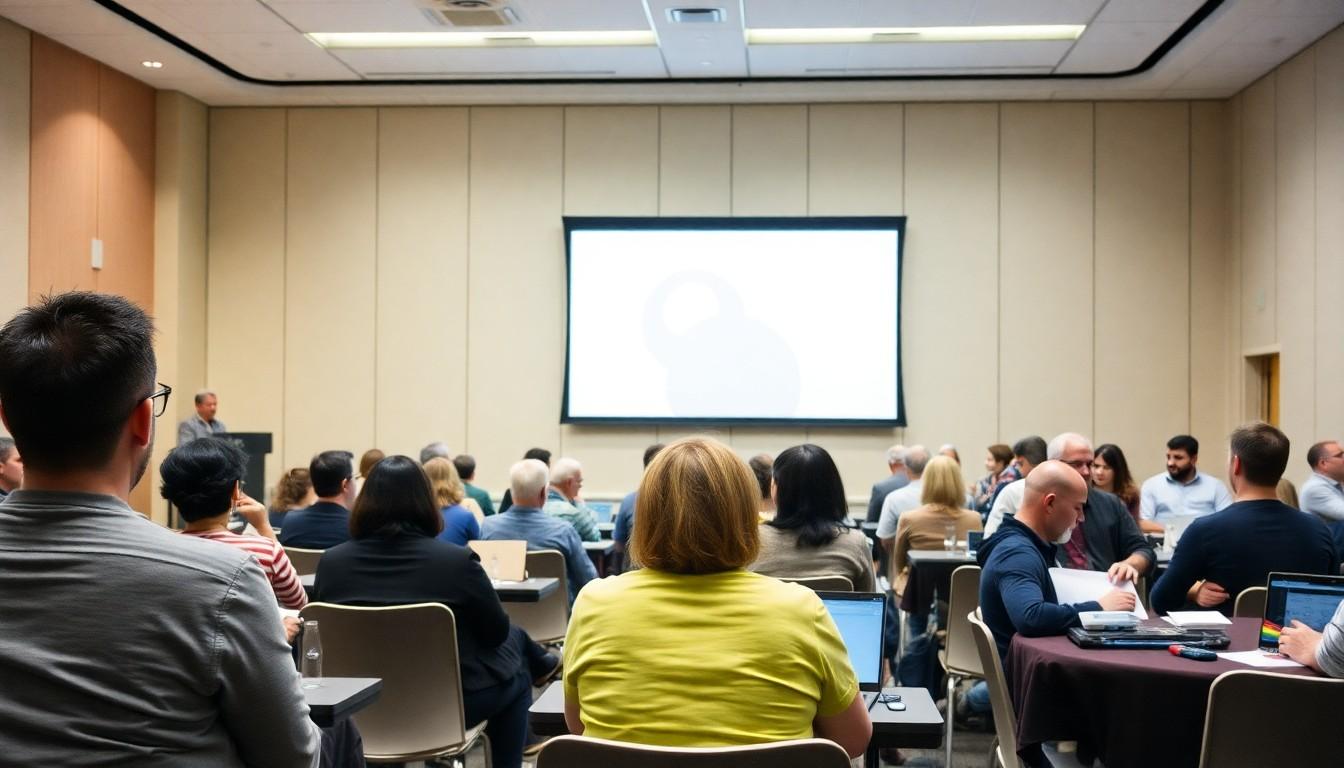
A hundred LGBT+ knowledge enthusiasts from more than 30 countries met in Montréal for Queering Wiki 2026, the first in-person global gathering of its kind. The event mixed queer history, practical Wikimedia work and new connections, while highlighting the barriers that kept some would-be attendees away.
Essential Takeaways
- A first for the community: Queering Wiki held its first in-person global conference from 23 to 25 October in Montréal.
- A worldwide gathering: Around 100 participants came from more than 30 countries, with every continent except Antarctica represented.
- Three themes shaped the programme: Sessions explored knowledge without borders, queer histories and queer futures.
- Access came with safeguards: Organisers used venue security measures and offered travel scholarships, but 15 prospective attendees were denied visas.
- The work continues online: Conference photos, videos and presentations are available on Wikimedia Commons.
Montréal hosted a landmark gathering for queer Wikimedia
The standout detail was the mix of global reach and personal connection: about 100 participants travelled to Montréal for Queering Wiki 2026, meeting fellow contributors they’d previously known only through screens. Organised by Wikimedia LGBT+ and Wikimedia Canada, the 23–25 October conference was the group’s first in-person global event, following annual online gatherings from 2022 to 2025. (Wikimedia Diff; Wikimedia event page)
The programme opened with a guided Culture Crawl through the city’s LGBT+ history, then moved into three days of keynotes, talks, posters and presentations. Its three strands, Knowledge Without Borders, Queer Histories and Queer Futures, gave participants room to discuss both the past and the future of queer knowledge online. (Wikimedia Diff; event schedule)
From archival records to new Wikipedia entries
One keynote focused on the Lesbian and Gay Liberation in Canada project, which works with archival information and Wikimedia projects including Wikipedia and Wikidata. The talk, by Constance Crompton of the University of Ottawa’s Humanities Data Lab, showed how digital tools can help bring historical material into public view. (Wikimedia Diff; LGLC project)
There was practical work alongside the big-picture discussion. The Queering Wiki 2026 Challenge invited participants to create or improve articles and images about queer history in Québec, as well as material documenting the conference itself. Two winners received Baby Globe plushies, giving the closing ceremony a suitably cheerful mascot moment. (Wikimedia Diff; challenge page)
Sessions were available in English, Spanish and French, with live translation and transcription through a smartphone app. That kind of support matters at an international event: it can make the difference between simply being in the room and being able to join the conversation. (Wikimedia Diff; event schedule)
Safety and access shaped the conference experience
For organisers, safety was a central part of planning. The venue wasn’t announced publicly before the event, attendees passed bag checks to enter session areas, and Trust and Safety team members were present throughout. Colour-coded lanyards also helped identify staff and people who preferred not to be photographed. (Wikimedia Diff; Wikimedia events safety guidance)
Travel support helped some participants attend, but it couldn’t remove every obstacle. Fifteen prospective attendees were denied visas, despite the gathering drawing participants from across the globe. Wikimedia LGBT+ executive director Bisi Alimi said the visa refusals cast a shadow over the conference and argued that access to a global knowledge community shouldn’t depend on where someone was born. (Wikimedia Diff; Wikimedia event page)
The most valuable conversations may happen afterwards
Participants described the event as a chance to trade ideas, meet online collaborators in person and find people facing similar challenges around visibility. For some, it was their first face-to-face Wikimedia event; for others, it helped seed collaborations that are only now beginning. That’s a useful reminder that conferences aren’t just about the sessions on the schedule. (Wikimedia Diff; event schedule)
The conference also made space for the everyday human moments that help a community feel like a community, from informal conversations to karaoke. Meanwhile, its multilingual programme and editing challenge connected those relationships to the practical work of improving and expanding queer knowledge online. (Wikimedia Diff; challenge page)
Find the conference materials online
People who couldn’t make the trip can still explore QW2026’s photos, videos and presentations on Wikimedia Commons. The event’s schedule and challenge page offer more detail on its sessions and editing activities, while the Lesbian and Gay Liberation in Canada project provides further context on the archival work discussed at the gathering. (Wikimedia Diff; event schedule; challenge page; LGLC project)
The next step is to turn those conversations into lasting contributions: better documented histories, stronger links between editors and more accessible knowledge for readers everywhere. (Wikimedia Diff; Wikimedia event page)
A global gathering can plant the seeds; the shared work is what helps them grow.
Source Reference Map
Story idea inspired by: [1]
Sources by paragraph: