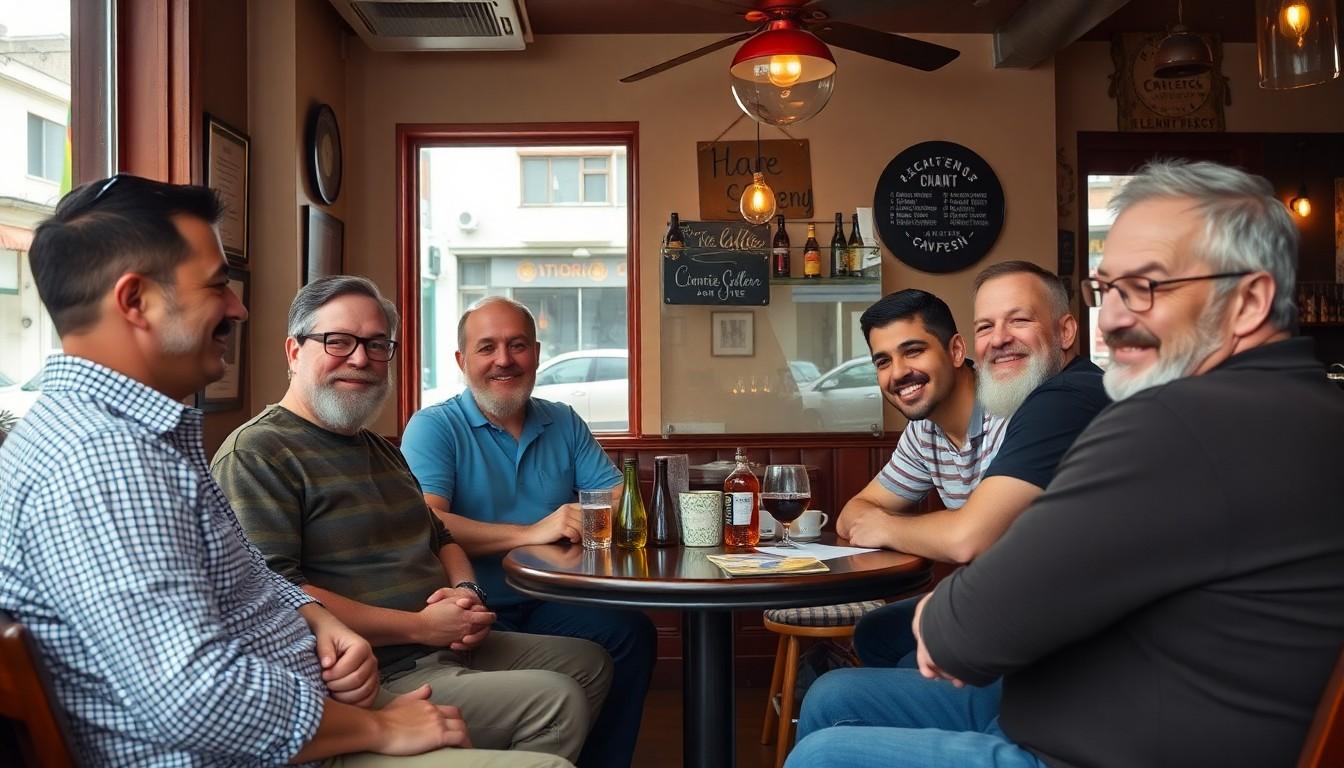
Every 7 November, National Hug a Bear Day brings teddy bears to mind, but it also offers a warm moment to celebrate gay bear culture. The community has grown well beyond one body type, with its history rooted in queer social life and its modern definition shaped by self-identification, connection and plenty of pride.
Essential Takeaways
- The date: National Hug a Bear Day falls on 7 November and is traditionally associated with hugging teddy bears.
- A broader celebration: The day can also be a chance to recognise gay bear culture and its welcoming spirit.
- A changing definition: Being a bear isn't limited to a particular build; identity and community matter too.
- A San Francisco connection: Bear culture became more visible in the city during the 1980s.
- A practical note: Dating platforms such as BEARWWW provide spaces for people who identify with, or are interested in, bear culture.
National Hug a Bear Day has more than one meaning
Teddy bears may get the cuddles on 7 November, but the date has another appealing association for queer communities. National Hug a Bear Day can also prompt a celebration of gay bears: a broad, varied community with a strong sense of belonging. It's a reminder that the word "bear" can mean much more than a cuddly toy or a particular look.
The holiday calendar lists the occasion as an annual observance on 7 November. That gives the day a simple starting point: a hug for a favourite teddy, and perhaps a little appreciation for the people and culture behind the other kind of bear. (Holiday Calendar)
Bear culture has deep roots in San Francisco
Gay bear culture took shape in the mid-20th century and became more prominent in San Francisco during the 1980s. The city's queer social scene helped create space for people to connect outside narrower ideas about appearance and masculinity. Later coverage of bear gatherings in San Francisco offers a glimpse of how that community grew into a visible part of local LGBTQ+ life. (GLBT Historical Society; San Francisco Chronicle; SFGate)
That history matters because the bear label has never been just about looks. It can also signal a shared identity, friendships and social spaces where people feel comfortable showing up as themselves. There's something quietly powerful in a community making room for people who didn't always see themselves reflected in mainstream gay culture. (GLBT Historical Society; SFGate)
There's no single way to be a bear
The definition has widened over time. A large or heavily built physique may still fit familiar bear imagery, but it's not a requirement: bear identity is also about how someone sees themselves and connects with the community. That broader understanding makes bear culture less like a fixed checklist and more like an open invitation. (BEARWWW; GLBT Historical Society)
So, a single image or stereotype won't tell the whole story. Bear-related gatherings and online spaces show a community with room for different appearances and ways of identifying. It's a welcome reminder that belonging isn't measured in shirt sizes. (San Francisco Chronicle; SFGate; BEARWWW)
Finding bear community online and in person
For anyone curious about meeting others, BEARWWW is a dating platform centred on bear culture. Local events and community gatherings offer another route, with San Francisco reporting over the years documenting bear-focused social scenes and celebrations. As with any dating or event platform, check its current details and choose settings that feel comfortable to you. (BEARWWW; San Francisco Chronicle; SFGate)
And if you're celebrating at home, the teddy-bear version is wonderfully straightforward: pick a soft favourite and give it a squeeze. The bigger message is just as simple: make room for a culture that has helped people find connection, confidence and community. (Holiday Calendar; GLBT Historical Society)
It's a good day for a hug, and an even better one for celebrating belonging.
Source Reference Map
Story idea inspired by: [1]
Sources by paragraph: