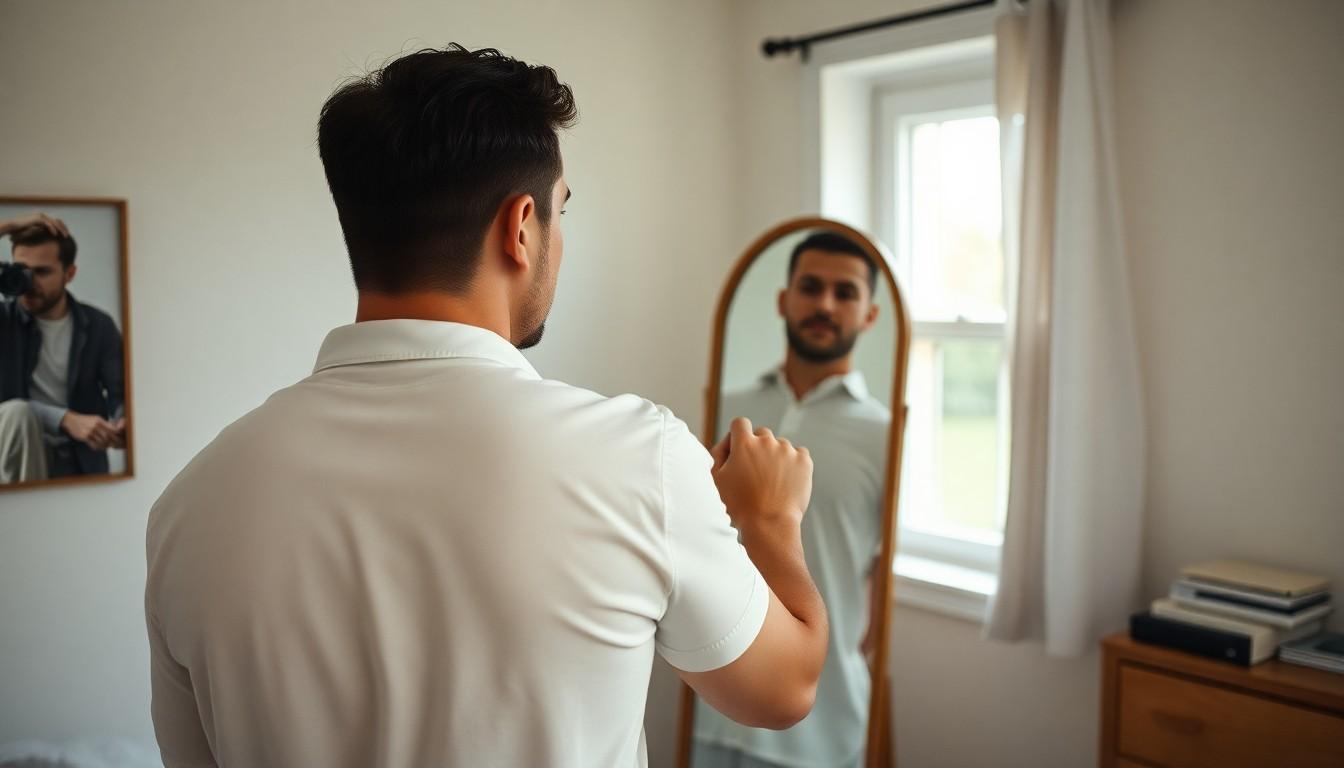
A 29-year-old gay man is worried that changes in his appearance mean his twink identity is slipping away. His question touches on a wider tension in gay culture, where youth and a particular look can bring attention and confidence, but growing older needn't mean losing either.
When “handsome” feels like a surprise
A reader writing to Queerty describes a familiar wardrobe of baby tees, crop tops and tiny running shorts, plus a decade-old Grindr name built around being a twink. At 29, he says his face looks more grown-up and he's filling out a little. Then someone calls him “handsome” instead of “cute”, and the shift suddenly feels real.
The worry isn't simply about looking older. The reader says being skinny and boyish has become a large part of his identity and the attention he receives from men. If that familiar description changes, he's left wondering who he is meant to be next.
Gay culture can make youth feel like the whole story
The letter points to a broader pressure: gay culture can place a high value on youth and specific ideals of attractiveness. Research on gay men's experiences of ageing and body image offers context for why those expectations can shape how people see themselves. [3] [4]
That doesn't mean every gay man values the same look, or that growing older makes someone less attractive. But when one label has brought years of recognition, even a small change in how others describe you can feel bigger than it is.
Your identity doesn't have to fit one label
Being a twink may be a fun description, a style, or a source of confidence. It doesn't have to be a lifetime contract. Research examining masculinity and gay men's identities provides a useful reminder that ideas about how men should look and act are socially shaped, not fixed rules everyone must follow. [5] [6]
And the reader hasn't said he wants to give up his clothes or his sense of humour. The real question is whether he can keep the parts he likes while making room for others. A new compliment doesn't erase the old version of you.
Try change on your own terms
If your appearance is shifting, you don't need to rush into a new label. Notice what makes you feel comfortable, whether that's keeping the baby tees, trying a different fit, or simply letting “cute” and “handsome” coexist. There's no deadline for deciding what you call yourself.
It may also help to separate your own preferences from the attention you're used to receiving. Studies of ageing and wellbeing underline the importance of looking beyond a single measure of worth or identity. [3] [7] Your body can change without your whole personality needing a rebrand.
Growing older can widen the picture
The reader is right that ageing is inevitable, but inevitability isn't the same as loss. A more grown-up face or a little extra filling out doesn't dictate who you can date, how you dress, or what makes you feel attractive. Research on later-life experiences also shows why ageing is worth considering as a varied, personal process rather than one universal decline. [4] [6] [7]
Perhaps the most reassuring answer is also the simplest: you don't have to know who you're becoming just yet. “Twink” can remain part of your story without having to be its entire plot.
You can keep what you love and let the rest evolve at its own pace.
Source Reference Map
Story idea inspired by: [1]
Sources by paragraph: