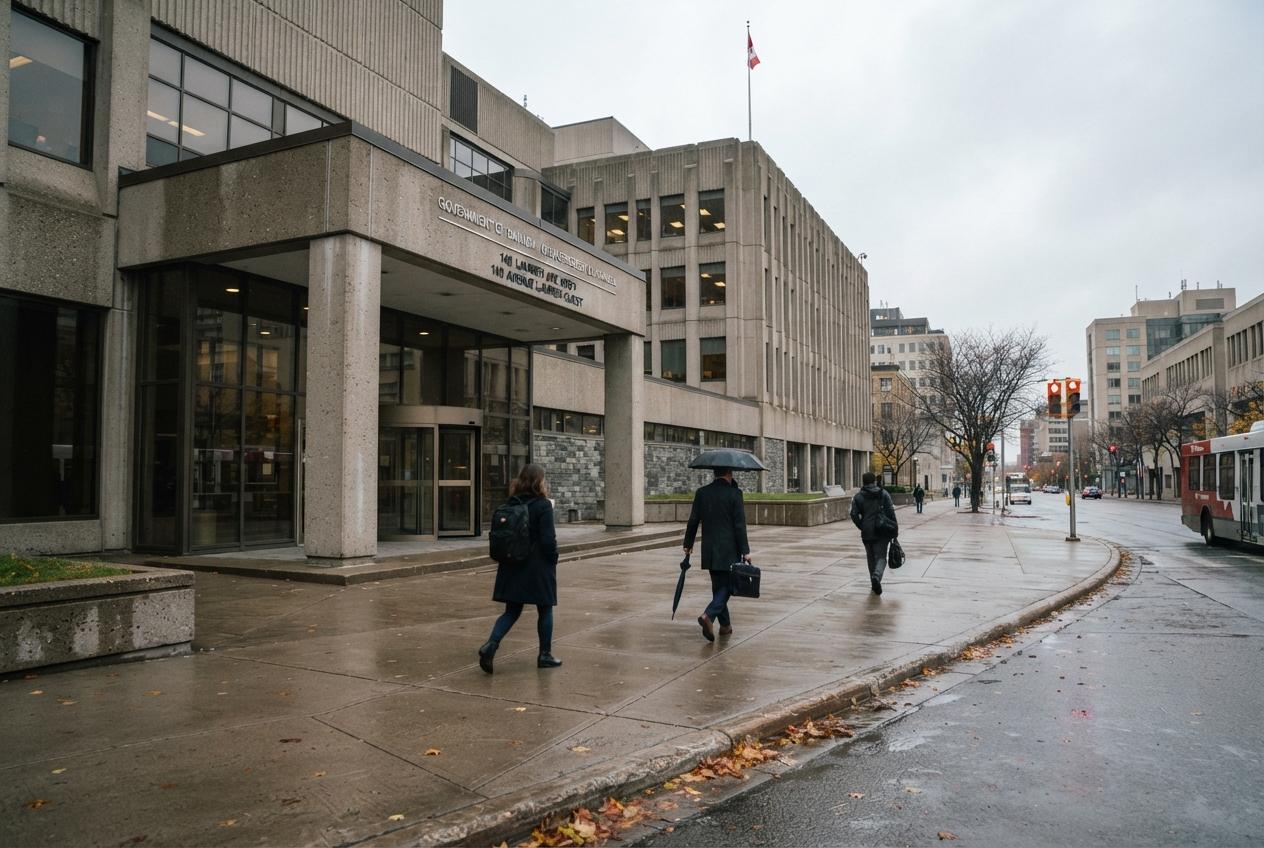
Community groups across Canada have welcomed new federal funding for the 2SLGBTQI+ Action Plan, but say the commitment falls short of what’s needed. The 2026 budget sets aside $60 million over four years and $15 million in annual funding from 2027-28, offering a measure of stability while leaving advocates focused on mental health, housing and support for refugees.
Essential Takeaways
- New funding: The 2026 federal budget commits $60 million over four years, plus $15 million in ongoing annual funding from 2027-28.
- A wider funding picture: With the previous budget’s commitment included, ongoing annual federal support totals $25.9 million.
- Advocates wanted more: A coalition of more than 40 organisations called for $450 million over five years and has set a target of $90 million in annual funding.
- Services remain a concern: Groups want sustained support for mental health, housing, grassroots organisations, newcomers and international human rights work.
A welcome commitment, with a long way to go
The headline figure is substantial, but the question for community organisations is whether it can translate into dependable services. The federal budget’s $60-million renewal is intended to support community projects, public awareness, research and the 2SLGBTQI+ Secretariat, with funding beginning in 2027-28. The federal government’s Action Plan provides the wider framework for this work.
The money also extends federal support beyond the plan’s original March 2027 end date. That matters to organisations trying to plan ahead rather than patch together services one short grant at a time. Still, advocates say the new funding is a start, not a complete answer to the pressures facing their communities.
How advocates built momentum
The announcement followed months of organising by more than 40 Queer and Trans-serving groups. In October, organisations including Queer Momentum, The 519, Rainbow Railroad, Dignity Network Canada and Pride at Work gathered on Parliament Hill and called for $450 million over five years to strengthen services and community organisations.
Queer Momentum’s campaign updates describe the value of bringing groups together around a common demand. The coalition’s goal was larger than the eventual budget commitment, but the renewed plan gives organisations a clearer basis for pushing for longer-term change.
The funding gap is still central
The new commitment sits alongside $54.6 million announced in Budget 2025, which included $10.9 million in annual funding. Together, the two budget investments bring ongoing annual federal support to $25.9 million, still well below advocates’ $90-million annual target.
That gap matters because many organisations are dealing with overlapping needs, from rising demand for mental health care to housing insecurity and discrimination. For a small community group, predictable core funding can be the difference between keeping experienced staff and services in place or scrambling to cover basic costs. The campaign’s original call for investment made the case for strengthening organisations as well as individual programmes.
What communities say they need most
The 519 has pointed to the links between poverty, discrimination, housing insecurity and displacement. It has welcomed housing measures in the budget, while stressing that building homes is only part of the job: services need reliable funding too, and housing must be accessible to people on different incomes.
Youth mental health is another priority. LGBT YouthLine has called for greater investment in mental health support for Queer and Trans young people, alongside a broader approach across areas such as healthcare, education, employment, housing and immigration. Those needs are connected in everyday life, even if government budgets divide them into separate departments.
Refugee support and international work remain concerns
Rainbow Railroad has welcomed renewal of the Action Plan but raised concerns about international assistance funding that was cut in Budget 2025 and not restored in the latest budget. The organisation’s work supporting 2SLGBTQIA+ people facing persecution highlights why advocates say support abroad and safe routes to Canada should be part of the wider picture.
Groups also want better support for people arriving in Canada, including access to housing, healthcare, legal help and settlement services. The federal Action Plan sets out a framework for government action, but advocates say its value will ultimately depend on whether funding reaches frontline organisations and the people seeking help.
The next test is delivery
A budget promise is only the beginning. Organisations want clear plans for how the money will be distributed, timely funding, and a meaningful role in designing services. They’re also calling for funding that smaller grassroots groups can access, rather than relying only on short-term project grants.
The renewed investment offers more certainty than an approaching expiry date, and the advocacy behind it has shown what coordinated organising can achieve. But the measure of success will be practical: whether people can find support when they need it, and whether the organisations providing that support can keep their doors open.
The funding is a step forward; getting it to the people who need it is the work ahead.
Source Reference Map
Story idea inspired by: [1]
Sources by paragraph:
- Paragraph 1: [3], [7]
- Paragraph 2: [3], [7]
- Paragraph 3: [3], [7]
- Paragraph 4: [4], [5]
- Paragraph 5: [4], [5]
- Paragraph 6: [3], [4]
- Paragraph 7: [3], [7]
- Paragraph 8: [3], [7]
- Paragraph 9: [2], [3]
- Paragraph 10: [2], [3]
- Paragraph 11: [6], [7]
- Paragraph 12: [6], [7]
- Paragraph 13: [2], [3], [7]
- Paragraph 14: [2], [3]