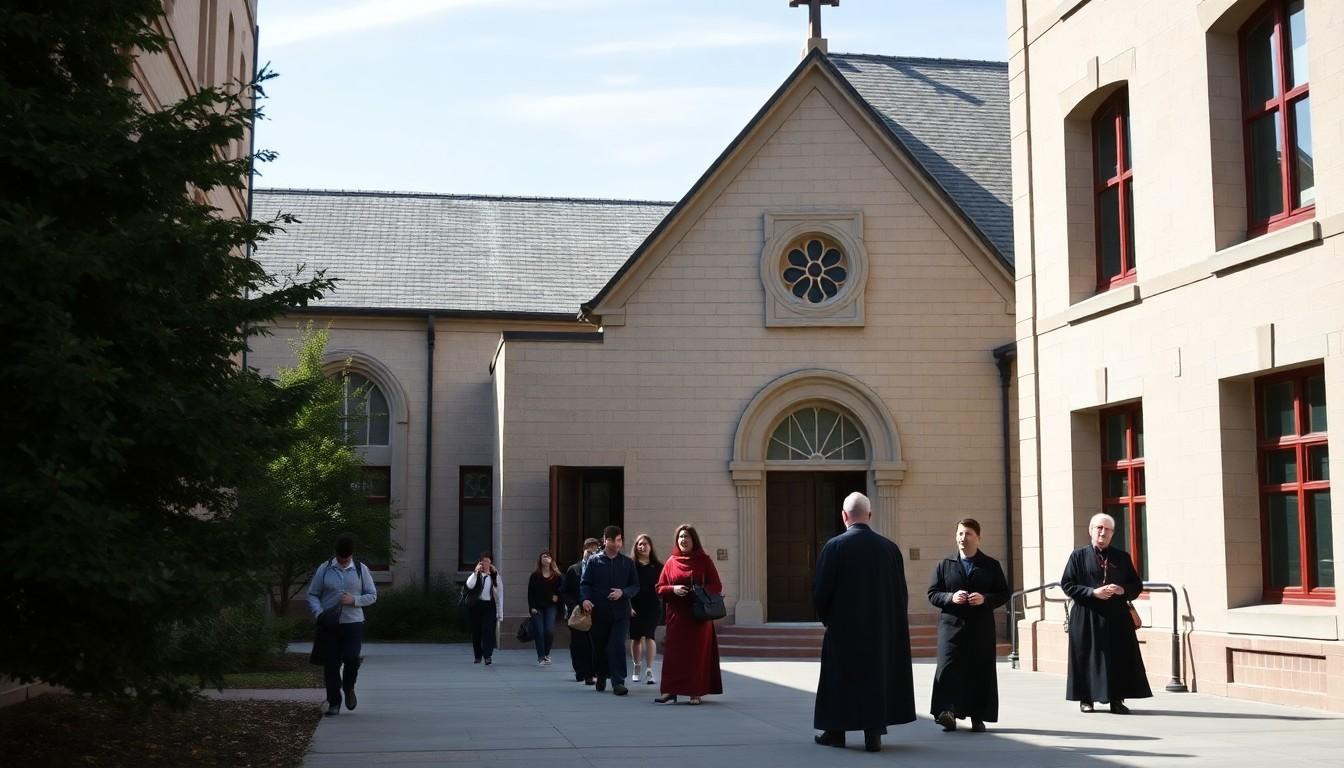
A recent First Things podcast conversation has revived a familiar question: is debate over LGBTQ inclusion in the Catholic Church fading, or simply changing shape? Fr James Martin’s outreach, a new prayer reflection from Outreach and the Church’s teaching on chastity offer readers useful context for understanding why calls for unity can mean different things to different Catholics.
Essential Takeaways
- The debate continues: A First Things podcast brought questions about Catholic teaching and LGBTQ inclusion back into view.
- Martin’s approach: In a 2017 interview with America, Fr James Martin described his efforts to build bridges with LGBTQ people.
- Church teaching remains relevant: The Catechism’s section on chastity sets out the Church’s teaching on sexual conduct.
- Outreach offers a different perspective: One reflection adapts the Confiteor through an LGBTQ lens, drawing criticism as well as attention.
The debate isn't over just because people are tired of it
A discussion can feel settled when a generation has grown weary of repeating it. That was the impression in a First Things podcast conversation featuring Fr James Martin and two young Catholic hosts, who suggested that arguments over Church debates may no longer hold the same appeal for their peers.
But fatigue isn't the same as agreement. The conversation points to a broader tension: some Catholics see changing social attitudes as a reason to move on, while others argue that the underlying questions about doctrine and practice remain unresolved. The First Things podcast provides a useful window into how younger Catholics are talking about the issue. (First Things)
Martin's bridge-building has a longer history
Fr James Martin has presented his outreach to LGBTQ people as an effort to encourage welcome and dialogue. In a 2017 America interview, he discussed common questions about his bridge-building work, showing that the conversation around his approach has been unfolding for years. (America)
That distinction matters. Welcoming people into conversation and changing Church teaching aren't the same thing, even when they get discussed together. The Church's Catechism continues to set out its teaching on chastity, so readers trying to understand the debate should compare public calls for welcome with the Church's formal statements. (Vatican)
A new Confiteor reframes the familiar prayer
Outreach has published an LGBTQ-focused guide to the Mass that includes a reworked version of the Confiteor. The reflection shifts the prayer's emphasis towards prejudice, injustice and solidarity, recasting familiar lines in language shaped by the author's experience. (Outreach)
The piece has attracted criticism, including from Catholic Herald, which reported on the adapted prayer. That reaction shows why the text has become a flashpoint: for supporters, it offers a more personal way to pray; for critics, changing the wording raises questions about how far adaptation should go within a shared liturgy. (Catholic Herald)
Unity can mean welcome, agreement, or both
Calls for unity sound reassuring, but they don't always explain what people are being asked to unite around. For some, unity begins with listening and making sure LGBTQ Catholics aren't treated as outsiders. For others, it also requires clear agreement with Church teaching, rather than treating disagreement as a problem to be smoothed over.
So, if you're weighing competing claims, look for specifics. Does a speaker mean pastoral welcome, doctrinal agreement, or a change to Church practice? The Catechism and the published texts give readers a firmer basis for comparison than a broad appeal to civility or togetherness. (Vatican)
What readers can take from the renewed attention
The sharpest disagreement isn't simply about whether Catholics should be kind. It's about how welcome, doctrine and worship fit together, and who gets to define what unity requires. The recent podcast and the response to Outreach's prayer reflection show that those questions remain active, even when some people would rather leave them behind. (First Things; Outreach; Catholic Herald)
A separate Catholic commentary has also argued that Martin's public approach should be examined more closely. Whatever readers make of that critique, the practical point is straightforward: compare his stated positions with the Church's published teaching, and read the disputed material in full before deciding what the argument is really about. (Catholic Answers)
The conversation may be wearying, but understanding the terms is a better starting point than assuming it has ended.
Source Reference Map
Story idea inspired by: [1]
Sources by paragraph: