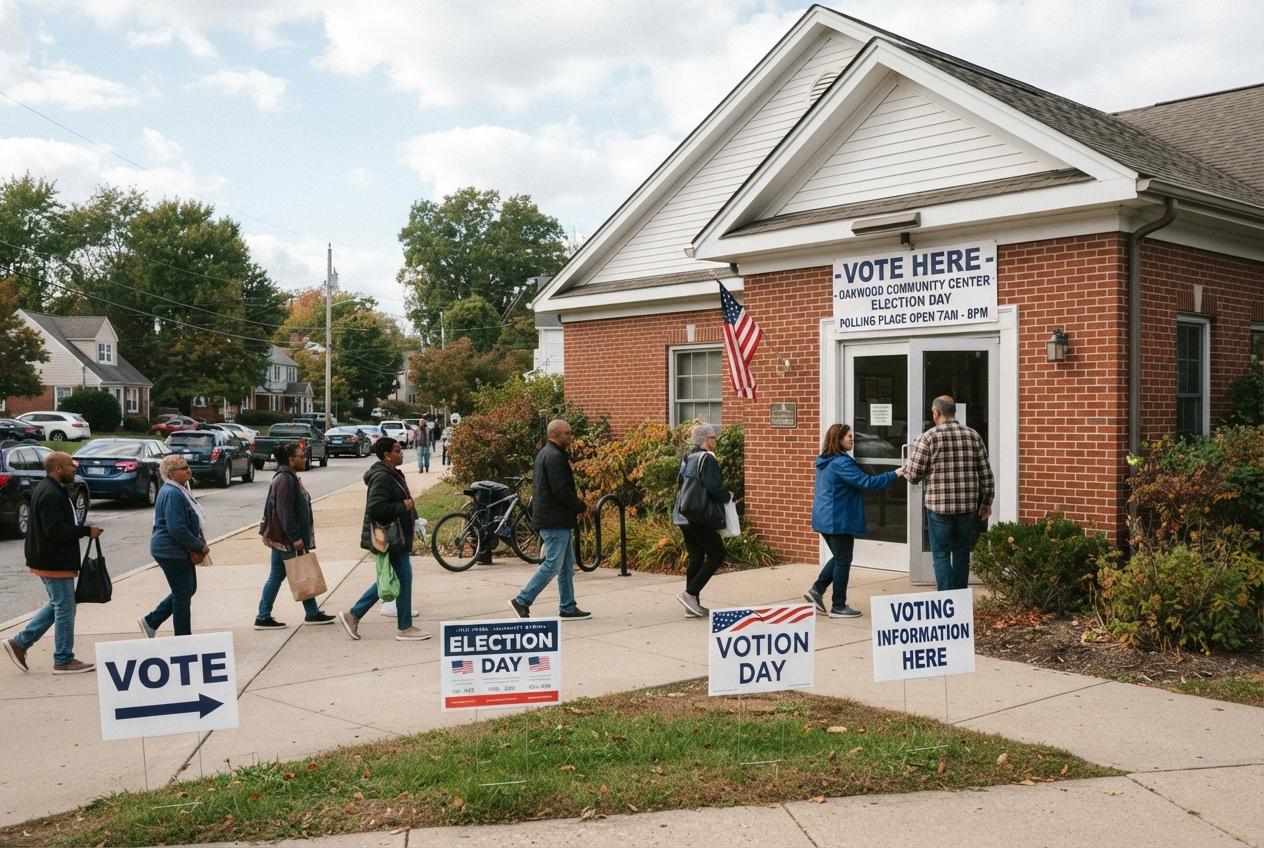
Voters across the United States weighed in on rights alongside congressional and gubernatorial contests, deciding measures on voting access, abortion, education, marriage and immigration. The results were mixed, with some protections advancing and others facing fresh limits. Together, they show how state and local ballot questions can shape daily life long after election-night headlines fade.
Essential Takeaways
- Voting rights: Virginia approved automatic restoration of voting rights for people after release from prison.
- Abortion access: Voters rejected an abortion restriction in Missouri, while safeguards passed in Nevada and Virginia but failed in Idaho.
- Education and equality: Arizona rejected a measure to end diversity, equity and inclusion practices; Wisconsin approved one.
- LGBTQ+ rights: Colorado backed a ban on gender-affirming surgeries for under-18s, while Virginia approved an amendment recognising same-sex marriage.
- Immigration: Colorado rejected a measure requiring greater cooperation with federal immigration authorities; Honolulu's result was still pending in the account.
The ballot carried more than campaign slogans
The congressional races may have dominated the noise, but state and local ballot measures put specific rights questions directly to voters. The choices ranged from who can vote after leaving prison to whether governments can maintain diversity programmes, with consequences that may outlast a single election cycle. Human Rights Watch's account of the results highlights just how varied those questions were. [2], [3]
Virginia approved automatic restoration of voting rights for people released from prison, ending a lifetime ban described as dating to the Jim Crow era. Vermont voters also approved an equal-protection amendment covering characteristics including race, sex, disability, sexual orientation and gender identity. These are different legal changes, but both put equality and participation at the centre of the ballot. [2], [4]
Abortion results split state by state
Abortion measures produced no single national verdict. Missouri voters rejected an effort to restrict abortion care, while Nevada and Virginia approved measures to safeguard abortion rights; Idaho voters rejected a similar effort. The patchwork reflects how much the issue is now being decided through state-level campaigns and constitutional questions. [3], [5], [6]
For voters, the practical detail is in the wording and legal effect of each proposal, not simply whether a headline says a state is "for" or "against" abortion rights. Ballot measures can differ in what they protect, what they prohibit and how they interact with existing law. That makes careful reading especially worthwhile when similar-sounding initiatives appear on different ballots. [4], [6], [7]
Education and LGBTQ+ measures drew sharply different answers
On diversity, equity and inclusion practices, Arizona voters rejected a measure to end them, while Wisconsin voters approved one. The results point to a live political divide over how schools and public bodies should address discrimination and historical inequality. They also show why a state-by-state view matters: voters facing similar questions didn't always reach the same conclusion. [2], [3], [4]
Transgender rights also appeared in contrasting measures. Colorado voters backed a ban on gender-affirming surgeries for people under 18, while Missouri voters chose not to add the state's existing youth-care ban to its constitution. In Virginia, voters approved an amendment formally removing the state's obsolete same-sex marriage ban and affirming that two adults may marry regardless of sex, gender or race. [2], [3], [5]
Immigration proposals tested local priorities
Colorado voters rejected a proposal that would have required state and local law enforcement to coordinate with federal immigration authorities in some circumstances. In Honolulu, voters were asked to support a measure directing police to uphold constitutional rights regardless of immigration or citizenship status, and to work with federal agents only when required by law or a court order; the result was still undecided in the account. [2], [4]
Chicago voters, meanwhile, said the city should seek federal compensation for harm caused by immigration enforcement operations. Taken together, the proposals show that immigration policy reaches well beyond the border: it can affect policing, local government and how residents understand their rights. [2], [5]
Why local ballot questions deserve a closer look
Ballot measures are easy to miss beside high-profile races, but they can change state constitutions, public policy and the relationship between residents and government. The 2026 results brought victories, defeats and unresolved questions across a wide range of rights, rather than one clear national direction. [2], [3], [7]
For anyone following an issue, start with the official wording, then check what a measure changes and when it takes effect. Election-night labels are useful shorthand, but the fine print is where the lasting impact often sits. [4], [6], [7]
The biggest race may grab the spotlight, but local ballot questions can shape what happens next. [2], [7]
Source Reference Map
Story idea inspired by: [1]
Sources by paragraph: