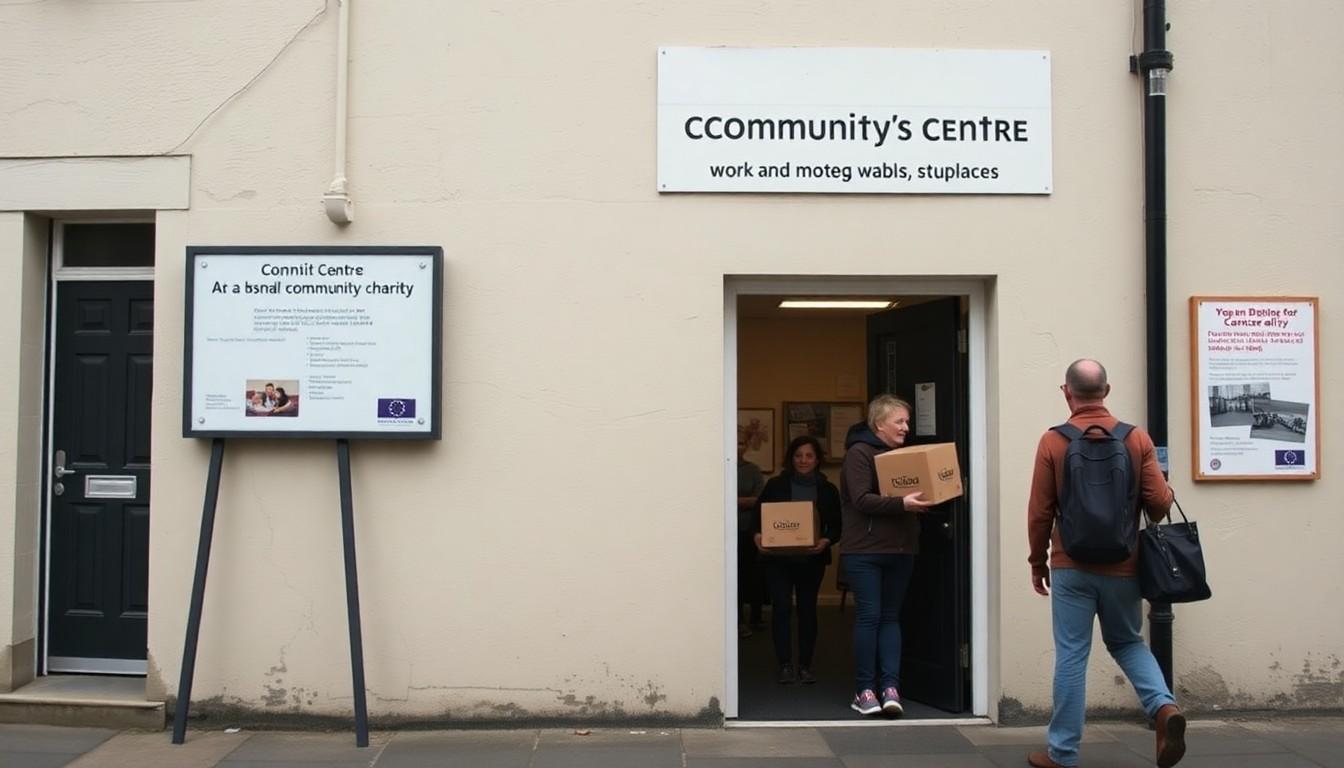
LGBTQ+ charities across the UK are facing a funding squeeze just as more people seek support, while two openly gay candidates have scored landmark victories in the United States. The latest figures reveal the pressure on grassroots services, alongside a brighter story of growing political representation and queer characters returning to a hit British spy thriller.
Essential takeaways
- Charity funding is tightening: Real-terms funding for UK LGBTQ+ organisations fell by 8.6% between 2023 and 2025.
- Demand is rising: 72% of surveyed LGBTQ+ organisations said more people were seeking their services.
- Small groups are especially exposed: Six in ten of the smallest organisations regularly used personal funds to keep activities going.
- Two US election firsts: Cait Conley won a New York congressional race, while Brett Jones became Alabama's first openly gay sheriff.
- Queer stories are back on screen: Black Doves returned to Netflix for a second season on 5 November.
LGBTQ+ charities are being asked to do more with less
The clearest warning is the mismatch between rising need and shrinking resources. Research covering more than 770 voluntary and community organisations found that UK LGBTQ+ sector funding fell by 8.6% in real terms from 2023 to 2025, while 72% of organisations reported increased demand for support. (PinkNews; LGBT+ Fund and Consortium)【turn452508view1】【turn452508view2】
The sums underline how little reaches the sector. The research identified £53.3 million in funding during 2025, equal to around 5p of every £100 donated to charities across Britain. For groups offering mental health support, community activities or help to vulnerable people, that can make an already difficult job feel precarious. (LGBT+ Fund and Consortium)【turn452508view2】
Small grassroots groups face the sharpest squeeze
Funding is concentrated among a small number of backers: 20 funders accounted for 88% of the identified support. That leaves smaller organisations with less room to absorb a delayed grant or a sudden rise in demand. (LGBT+ Fund and Consortium)【turn452508view2】
The pressure is already personal for some teams. Six in ten of the smallest organisations surveyed said they regularly used their own money to support their work. It’s a striking reminder that local services often rely on commitment and goodwill, but those can’t replace sustainable funding indefinitely. (PinkNews; LGBT+ Fund and Consortium)【turn452508view1】【turn452508view2】
Two gay candidates make history in the US
Across the Atlantic, Cait Conley won New York’s 17th Congressional District, defeating Republican incumbent Mike Lawler. A former Army combat veteran, Conley campaigned on national security, government accountability and economic issues; her win adds an openly lesbian voice to Congress. (The Advocate; Associated Press)【turn452508view3】【turn452508view4】
Alabama also made history, electing Brett Jones as the state’s first openly gay sheriff. The former Navy SEAL defeated two-term incumbent Kevin Turner in Madison County, with a campaign focused on transparency and accountability in the sheriff’s department. (The Advocate)【turn452508view5】
Black Doves brings queer characters back into the spotlight
Meanwhile, Black Doves has returned to Netflix for a second season, with Keira Knightley and Ben Whishaw discussing its LGBTQ+ characters and relationships. Whishaw plays Sam, a gay assassin and close friend of Knightley’s character Helen. (Attitude)【turn452508view6】
The series also continues the developing relationship between assassins Williams and Eleanor. Its queer characters sit within the broader spy-thriller story rather than being reduced to a single issue, giving the show room for friendship, tension and romance to share the frame. The six-episode season arrived on 5 November. (Attitude)【turn452508view6】
Representation matters, but so does support
These stories offer two very different measures of progress. Historic election wins widen who gets to hold public office, while the funding figures show how much everyday support still depends on under-resourced organisations close to their communities. Both matter, and neither makes the other less urgent. (PinkNews; The Advocate)【turn452508view1】【turn452508view3】【turn452508view5】
For anyone looking to help, a practical first step is to find a trusted local LGBTQ+ organisation and check what it needs most, whether that’s donations, volunteering or simply sharing its services. Strong representation can change who is seen; reliable community support helps ensure people aren’t left without help where they live. (LGBT+ Fund and Consortium)【turn452508view2】
A small, steady show of support can help local LGBTQ+ services stay there when people need them.
Source Reference Map
Story idea inspired by: [1]
Sources by paragraph: