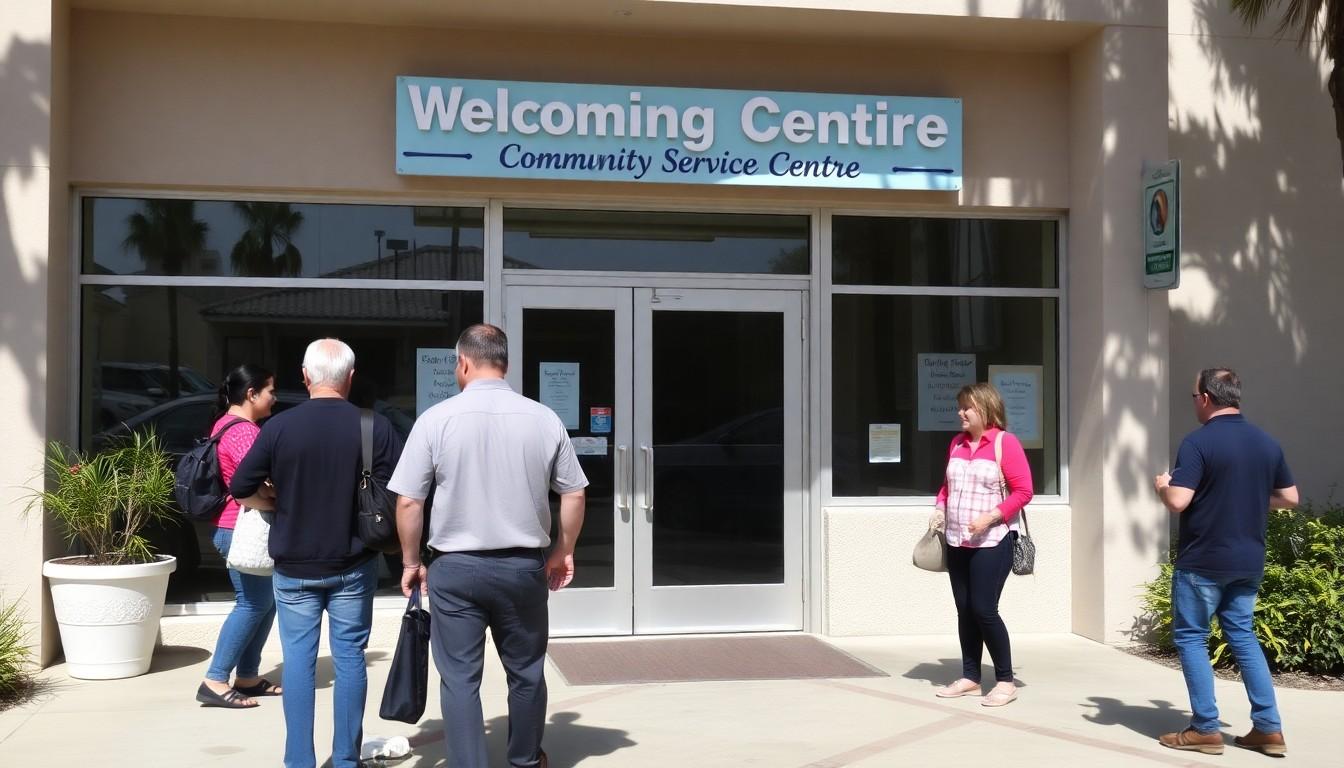
From a crisis phone line answered in a closet to a major provider of LGBTQ+ support, the San Diego LGBT Community Center is widening its reach while facing funding uncertainty. Its growth in housing and other services shows how the organisation is trying to meet local needs without losing sight of the people who rely on it.
Essential Takeaways
- A long history: The Center began in 1972 and has grown into a substantial San Diego community organisation. [2], [5]
- More housing support: Its programmes include youth housing, homelessness prevention and services for older adults. [6]
- A larger youth shelter: Safe STAY reopened in 2025 with 43 beds for young adults aged 18 to 24. [6]
- Funding remains uncertain: The organisation says it is strengthening philanthropy and making use of existing resources to sustain services. [4], [5]
From a closet phone line to a major community hub
A crisis line in a closet is a modest beginning for an organisation that now records more than 130,000 service visits in a year. The San Diego LGBT Community Center has spent decades growing from a small volunteer effort into a broad provider of support, advocacy and community programmes. [2], [4]
That expansion reflects the range of needs the Center serves, from health and wellbeing to housing and youth support. Its history is a reminder that community institutions often begin with something simple: a phone line, a willing volunteer and a place to gather. [2], [5]
Housing programmes have become a central priority
The Center has built out its housing work to include support for young people, adults and older residents, alongside help aimed at preventing homelessness. Its programmes include Sunburst Youth Housing, which provides permanent supportive housing for young adults, and services at North Park Senior Apartments. [6]
Safe STAY offers a particularly clear example of how a small initiative can grow. Launched in 2019 with four air beds in an underused gym, the programme reopened in April 2025 as a 43-bed wellness centre for people aged 18 to 24. [6]
For anyone looking for support, the practical detail matters: the Center's housing services cover different ages and situations, so contacting the organisation directly is the best way to check current eligibility and availability. [6]
Funding pressure is reshaping the way the Center works
The organisation says it has had to respond to changing funding conditions while protecting essential services. Its approach includes seeking more philanthropic and major-donor support, renting out rooms and charging some insured or higher-income behavioural health patients, while keeping care free for people who are uninsured or underinsured. [4], [5]
That mix of measures speaks to a wider challenge for nonprofits: keeping services accessible while finding enough reliable income to run them. The Center's reported annual figures and service growth offer a snapshot of its scale, but they don't remove the day-to-day need to plan carefully. [4]
Growth without losing the community focus
The Center's work sits across social services, advocacy and community engagement, rather than being limited to one programme or age group. That breadth helps explain why its growth is measured not only in buildings or beds, but also in the number and variety of people it can support. [5], [6]
For now, the emphasis is on using existing capacity effectively rather than launching construction projects. It's a sensible, if less visible, kind of progress: making current services work harder while building the support needed for what comes next. [4], [5]
The Center's story is ultimately one of steady adaptation, from a closet phone line to a much wider network of help. [2], [4]
A resource built for changing needs
The organisation's history and current programmes show how community support can evolve as needs change. For San Diego residents seeking assistance, its housing and wellbeing services are a useful place to start exploring what help may be available. [2], [6]
It's a small beginning that has grown into a meaningful source of support for many people. [2], [5]
Source Reference Map
Story idea inspired by: [1]
Sources by paragraph: