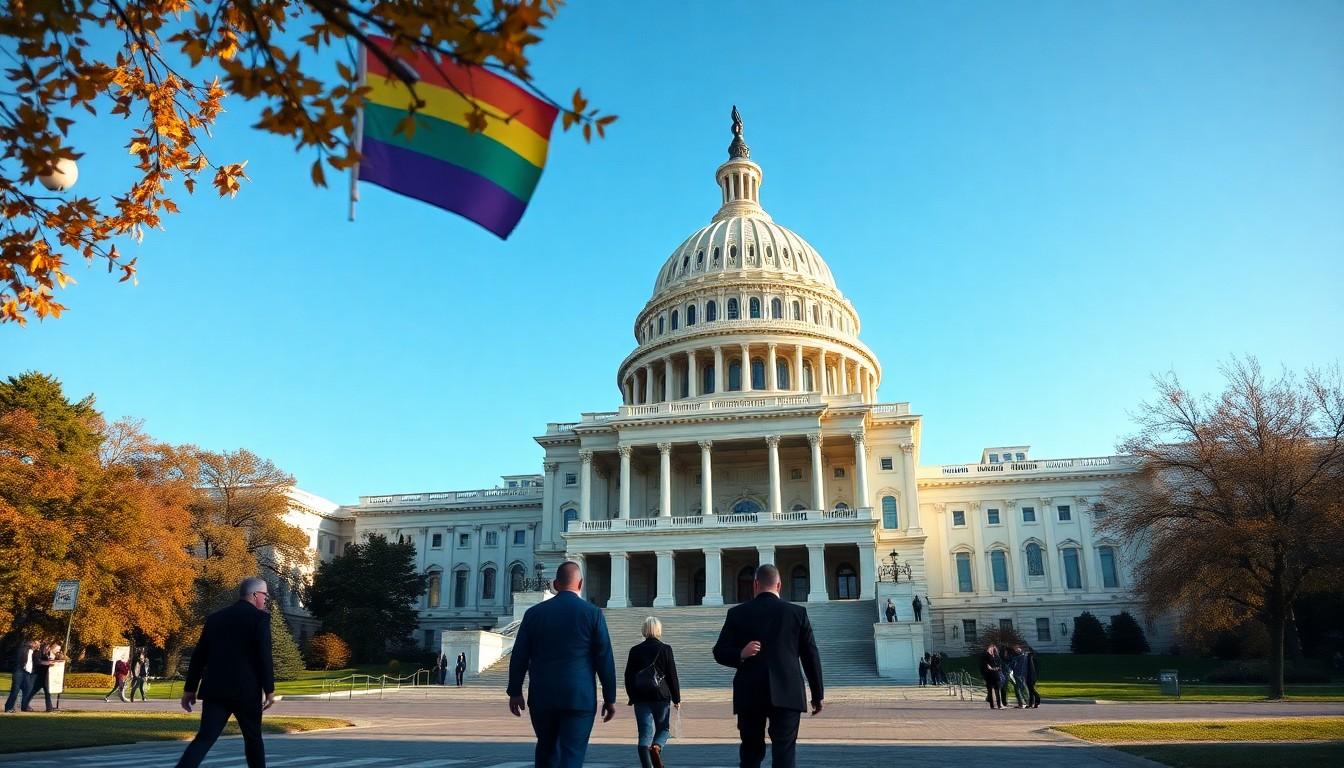
A record number of LGBTQ+ lawmakers are set to serve in the next US Congress, according to election coverage. The Congressional Equality Caucus celebrated the milestone after the midterms, while critics questioned whether party leaders would keep their focus on everyday costs. The result marks a visible shift in representation, even as arguments over its political meaning continue.
Essential Takeaways
- More LGBTQ+ representation: Election coverage reported a record number of LGBTQ+ lawmakers elected to Congress.
- A caucus celebration: The Congressional Equality Caucus described the incoming 120th Congress as the “gayest” in history.
- A wider political backdrop: The midterm results also changed the balance of power in Congress.
- Representation and policy are distinct: A historic number of LGBTQ+ lawmakers doesn't, by itself, determine which issues Congress will prioritise.
A record milestone, and a celebratory label
The most striking detail is the reported rise in LGBTQ+ representation in Congress. The Washington Blade and Roll Call both covered lawmakers making history in the midterms, putting the Congressional Equality Caucus's upbeat description in a broader context. (Sources: The Washington Blade; Roll Call.)
The caucus's post called the incoming Congress the “gayest” in history, a punchy phrase that quickly became a talking point. Some social media users treated it as a joke or meme, while others welcomed the recognition. (Sources: Twitchy; The Washington Blade.)
What the election results changed
The midterms reshaped the balance of power in Washington, with Democrats expanding their congressional position, according to election coverage by the Associated Press. That shift gives the party more influence over the legislative agenda, though election results alone don't say exactly which proposals will advance. (Sources: Associated Press; Investing.com.)
The LGBTQ+ representation milestone is part of that bigger political picture, not a substitute for it. Voters may care about living costs, healthcare, immigration or social issues in different combinations, and lawmakers will face pressure to address a range of concerns. (Sources: Associated Press; Investing.com.)
Representation matters, but it isn't a policy promise
A larger number of LGBTQ+ members can bring more lived experience into congressional debate. GLAAD's response to the election results welcomed the outcome, reflecting the significance advocacy groups attach to representation. (Sources: GLAAD; The Washington Blade.)
But the number of lawmakers in a group doesn't automatically reveal what Congress will deliver. Legislative outcomes depend on party priorities, committee work, negotiations and whether measures can win enough support. (Sources: Associated Press; Roll Call.)
How to read the political claims
The “gayest Congress” label is celebratory shorthand, rather than a formal measure of congressional power or policy. To assess what the new Congress may actually do, look for named bills, committee assignments and budget proposals, rather than relying on a social media slogan. (Sources: Twitchy; Roll Call.)
It's also worth separating online reaction from verified election reporting. A viral post can capture the mood of a moment, but election coverage and official statements provide firmer ground for understanding who was elected and what the result means. (Sources: The Washington Blade; Associated Press.)
The next test is what lawmakers do
The record representation figure gives the new Congress a notable place in US political history. Whether it translates into lasting policy change will depend on what lawmakers pursue once the celebrations and campaign arguments give way to the daily work of governing. (Sources: GLAAD; Roll Call.)
For now, the milestone is clear; the legislative consequences are still to come. (Sources: Associated Press; Investing.com.)
It's a historic headline, but the work in Congress will tell the fuller story.
Source Reference Map
Story idea inspired by: [1]
Sources by paragraph: