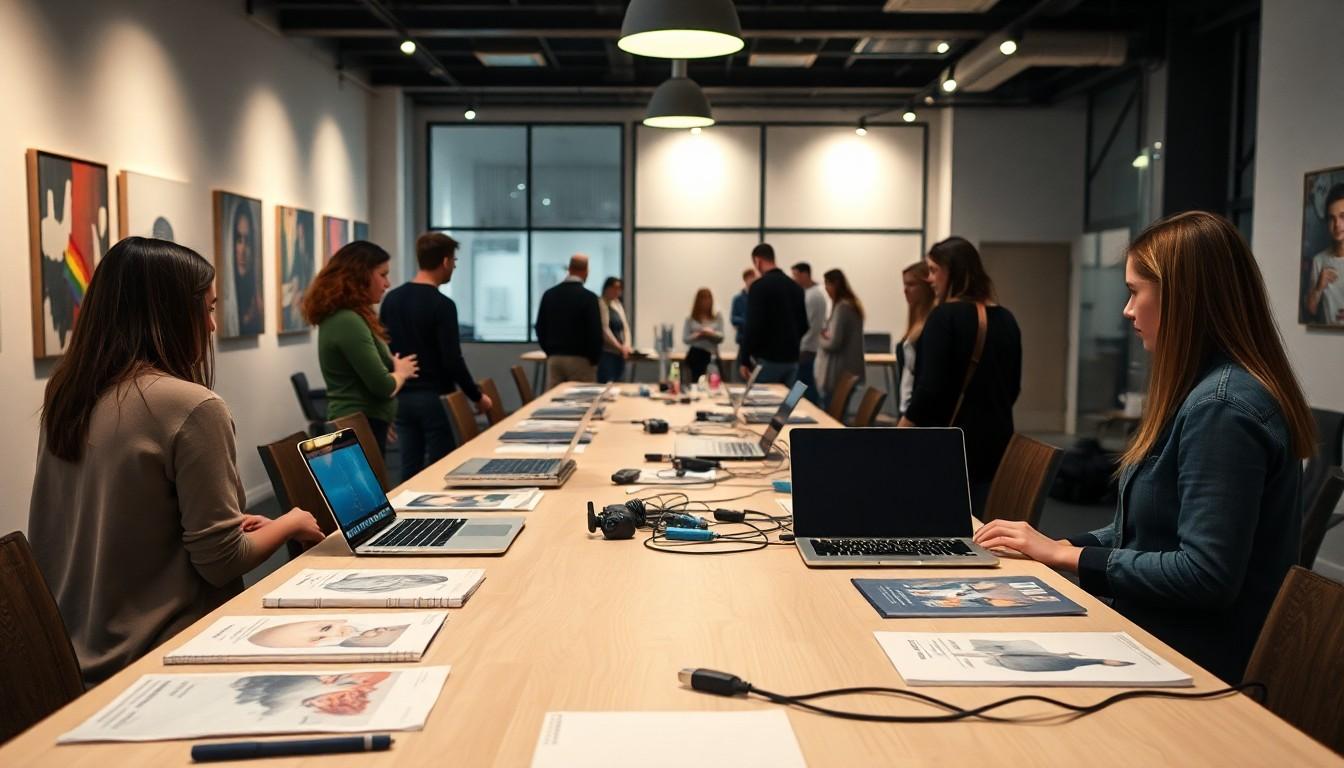
A new queer digital futures project from the Electronic Frontier Foundation and a queer arts collective asks what technology could look like when creativity, identity and freedom come first. Its seven artists imagine everything from intimate online spaces to tools for collective resistance, offering a vivid alternative to a digital world shaped chiefly by surveillance and control.
Essential Takeaways
- Seven creative perspectives: The project brings together seven artists to explore digital liberation through essays and stories.
- A broader view of digital rights: The work connects technology with self-expression, community, identity and the freedom to seek joy.
- A call for contributions came first: Organisers invited submissions on technology, identity and digital liberation.
- The project reached a live audience: Its launch was celebrated at Mozilla Festival during a session on privacy and queer desire.
What could a freer internet feel like?
A chat room that feels like a refuge. A battle suit threaded with seeds. These are among the striking images in Desire Lines: Encoding Queer Digital Futures, a project in which seven artists imagine technology beyond the familiar language of efficiency, innovation and risk. The result feels less like a product forecast and more like an invitation to rethink who the internet is for.
The Electronic Frontier Foundation and a queer arts collective developed the project to make room for perspectives often overlooked in debates about digital rights. Its central idea is simple but resonant: technology isn't separate from the people who use it. It can help people express themselves, explore identity and find community, or make those things harder when surveillance and control dominate.
Seven artists, many kinds of liberation
The collection moves across different moods and modes, from longing shaped by the early internet to steamy, escapist online spaces and visions of resistance. That range gives the project its energy. Digital freedom isn't presented as a single policy fix; it can also mean pleasure, connection, safety and the ability to imagine something beyond today's platforms.
The call for submissions invited people to address underrepresented issues in digital justice, share personal experiences of living with surveillance, or picture technology used for collective good. The resulting work makes a case for bringing creativity into conversations that can otherwise feel abstract and technical.
Why queer digital futures matter
Digital rights discussions often focus on the systems themselves: what devices can do, how platforms work and what new tools promise. But those systems shape everyday life, including whether people feel safe enough to speak, connect and explore who they are. Desire Lines puts those human experiences in the foreground.
That focus also challenges the idea that the future must simply extend the present. Memories of earlier, less centralised internet experiences can offer useful inspiration, the project suggests, while artists can help communities picture alternatives before they exist. It's a welcome reminder that imagining a different digital world is not a distraction from the work of changing it.
From an open call to a public launch
The project began with an invitation to contribute work at the intersection of technology, identity and digital liberation. After the collection went live, its organisers celebrated the artists and ideas at Mozilla Festival 2026 in a session titled "Privacy x Queer Desire". The programme also began with a community privacy plan grounded in digital fairness.
For readers, the collection offers a thoughtful way into questions that can sound daunting at first. You don't need a technical background to engage with its central concerns: who gets to feel at home online, who is watched, and what would make digital spaces more humane?
How to read the collection with fresh eyes
Start with the form that draws you in, whether that's personal storytelling, speculative imagery or political reflection. Then notice what each piece treats as freedom: privacy, pleasure, connection, resistance or something more everyday. That small shift can make familiar technology debates feel much closer to home.
And if one story leaves you wanting more, use it as a prompt to think about your own online life. Which spaces help you feel expressive and connected, and which leave you guarded? Those questions are part of the project’s point: a better digital future starts by listening to the people who live with technology now.
Closing Line
Explore the collection and imagine what a freer internet could make possible.
Source Reference Map
Story idea inspired by: [1]
Sources by paragraph: