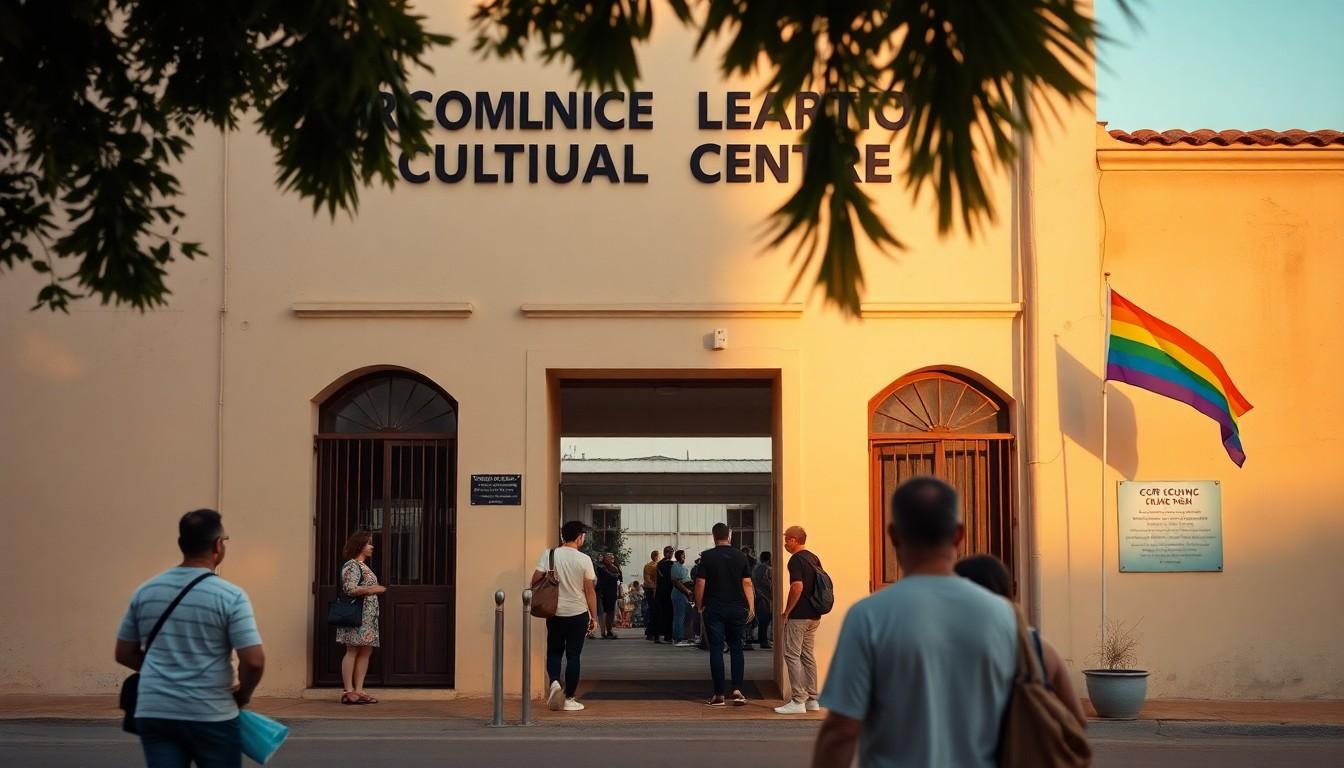
A new short documentary in Mérida brings Sherry de La Fontane’s memories and photographs into focus, tracing the city’s LGBT+ community from the 1970s. Through stories of early drag shows and discreet meeting places, Orgullo clandestino looks at what it took to find connection and express yourself when doing so openly could bring rejection.
Essential Takeaways
- A personal history: The film centres on Sherry de La Fontane, a pioneer of drag performance in Mérida.
- A short format: The documentary runs for around 15 minutes.
- A city remembered: It recalls gathering places including Plaza Grande, Parque Hidalgo and local cinemas.
- Built from memories: Director Ariadna Hernández Paz and journalist Javier Escalante drew on Sherry’s recollections, alongside photographs and research.
- Screenings in Mérida: The film is listed for presentations at the José Martí Cultural Centre and the Olimpo Cultural Centre.
Mérida’s hidden gathering places come back into view
A plaza, a park or a cinema can hold more than passing memories. In Orgullo clandestino, these familiar Mérida settings help map the quieter social world LGBT+ residents built when open expression was often met with rejection. The documentary recalls people meeting discreetly at Plaza Grande, Parque Hidalgo and some of the city’s cinemas.
At its centre is Sherry de La Fontane, one of Mérida’s early drag performers. Her story includes performances with Las Crazy Ladies, set against a period when both public attitudes and authorities could make life difficult for gay people.
The result is a close-up of local history, rather than a sweeping timeline. It asks what it meant to make room for joy and companionship when simply being seen could carry a cost.
Sherry’s memories shape the documentary
Director Ariadna Hernández Paz developed the project with journalist Javier Escalante after researching the history of Mérida’s LGBT+ community. Their starting points included Germán Pasos’s book Mérida gay, which documents aspects of queer life in the city.
Getting the film in front of the camera took patience. Hernández Paz already knew Sherry from another documentary, but persuading her to share personal experiences meant several visits and spending time with her at events.
The production took about four months, from research through editing. Sherry’s memories provide much of its narrative thread, while the filmmakers also faced a practical challenge: some photographs and documents from her personal archive had been lost over the years.
Why a 15-minute film can carry so much
A quarter of an hour might sound brief for a history shaped by decades of change. But the short format keeps the focus on one person’s life and the places attached to it, giving viewers a way into a broader story without pretending that one film can tell it all.
That personal lens matters. Research can establish context, but a remembered performance or a familiar meeting spot can make history feel close enough to touch. And when documents have disappeared, the act of listening becomes part of the record.
The film also sits within a wider effort to bring local social histories into cultural spaces. Its development followed a call from Mérida’s city council, which the team used as an opportunity to propose the project.
Where to see Orgullo clandestino in Mérida
The documentary is listed for screenings at the José Martí Cultural Centre and the videosala at the Olimpo Cultural Centre. Event details include presentations at 7pm at José Martí and 8pm at Olimpo; check the venue listings before setting off, as dates and schedules can change.
For anyone curious about queer history in Mérida, the film offers a compact starting point: one woman’s recollections, a handful of familiar city landmarks and a glimpse of the community that gathered around them. There’s something quietly powerful about seeing a city’s past through the places people once had to keep discreet.
A story made visible
Orgullo clandestino brings a once-hidden chapter of Mérida’s history into view, one memory and meeting place at a time.
Source Reference Map
Story idea inspired by: [1]
Sources by paragraph: