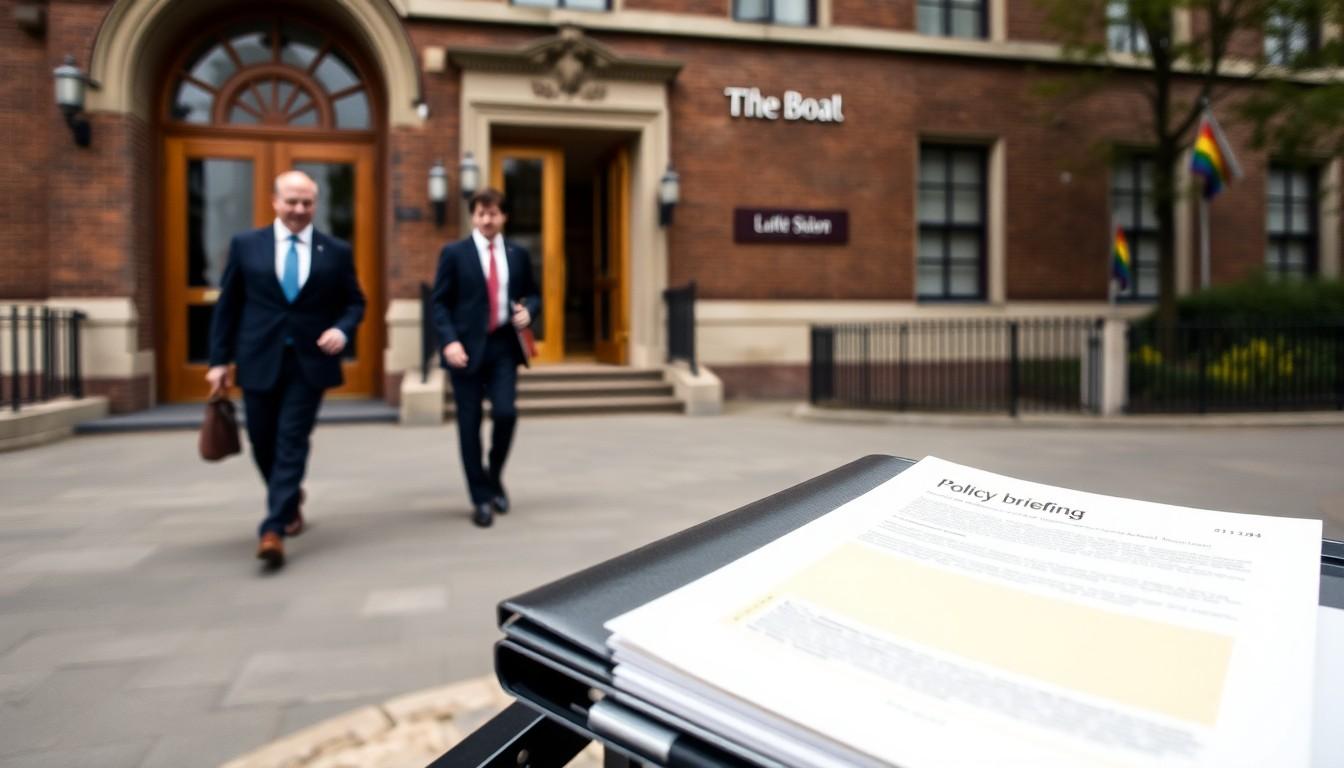
Questions over Stonewall's involvement have sharpened debate about Labour's draft conversion practices bill, a proposed law intended to protect people from harmful attempts to change their sexual orientation or gender identity. The dispute centres on access, evidence and how the rules would work in practice, making the details of the draft especially important for parents, professionals and campaigners.
The draft bill has become a flashpoint
The central concern is how to protect people from coercion without making ordinary, supportive conversations feel legally risky. The draft bill proposes an offence relating to conversion practices, with penalties that can include imprisonment. Its wording and safeguards are therefore at the heart of the argument, rather than the bill's stated aim alone. (Sources: [2], [3])
The Telegraph reported that Stonewall had contributed research used by the Government, and that the charity's policy chief had attended a Downing Street meeting about the proposals. Gender-critical campaigners say that access was troubling, particularly because they felt their own perspectives had not received comparable attention. (Sources: [1], [6])
What does the proposed law cover?
The Government's draft materials describe the bill's scope, offences and proposed protections. The explanatory notes and impact assessment offer further detail on how ministers intend the measure to operate, including its effects and the reasoning behind the approach. Reading those documents gives a firmer basis for discussion than relying on campaign slogans from either side. (Sources: [2], [3], [4], [5])
The proposal is not simply a ban on expressing a view about gender or sexuality. Its stated focus is conversion practices, and the legal test and protections in the draft are crucial to understanding where the line would fall. Critics nevertheless worry that uncertainty could chill conversations involving children, patients or employees. (Sources: [3], [5], [7])
Why Stonewall's involvement matters
Stonewall's role has become part of a wider argument about who gets heard when government develops policy. Supporters of consulting specialist organisations may see its input as relevant expertise; critics question whether the process gave enough weight to competing views. Either way, transparent consultation matters when a proposed offence could affect personal relationships and professional settings. (Sources: [1], [6], [7])
Stonewall has itself pressed the Government over delays to a promised ban on conversion practices, showing that it has advocated for action on the issue. That public position is relevant context, but it doesn't by itself settle whether the draft law is balanced or clear. Those questions depend on the bill's wording and how it would be applied. (Sources: [6], [2], [5])
What should readers look for in the draft?
For parents, teachers and health professionals, the practical questions are straightforward: what conduct is prohibited, what counts as coercion, and what protections apply to discussion or support? The draft bill, explanatory notes and impact assessment are the most useful places to start. They allow readers to check claims against the proposed text rather than infer the rules from political debate. (Sources: [3], [4], [5])
The parliamentary briefing also helps place the proposal in its legislative context. As the debate continues, watch for changes to definitions, safeguards and enforcement provisions. Those details will show whether the final approach can protect people from abuse while allowing careful, honest conversations. (Sources: [7], [2], [3])
The debate now turns on clarity and trust
A law's purpose matters, but so does public confidence in how it was developed. The dispute over Stonewall's access has made consultation part of the story, while the draft's practical boundaries remain the central issue for anyone who may be affected. (Sources: [1], [6], [7])
For now, the most useful step is to read the proposal itself and distinguish its stated provisions from predictions about what it might mean. Clear drafting and open scrutiny will matter whichever side of the debate readers take. (Sources: [2], [3], [5])
The details, not just the rhetoric, will determine whether the bill can command confidence.
Source Reference Map
Story idea inspired by: [1]
Sources by paragraph: