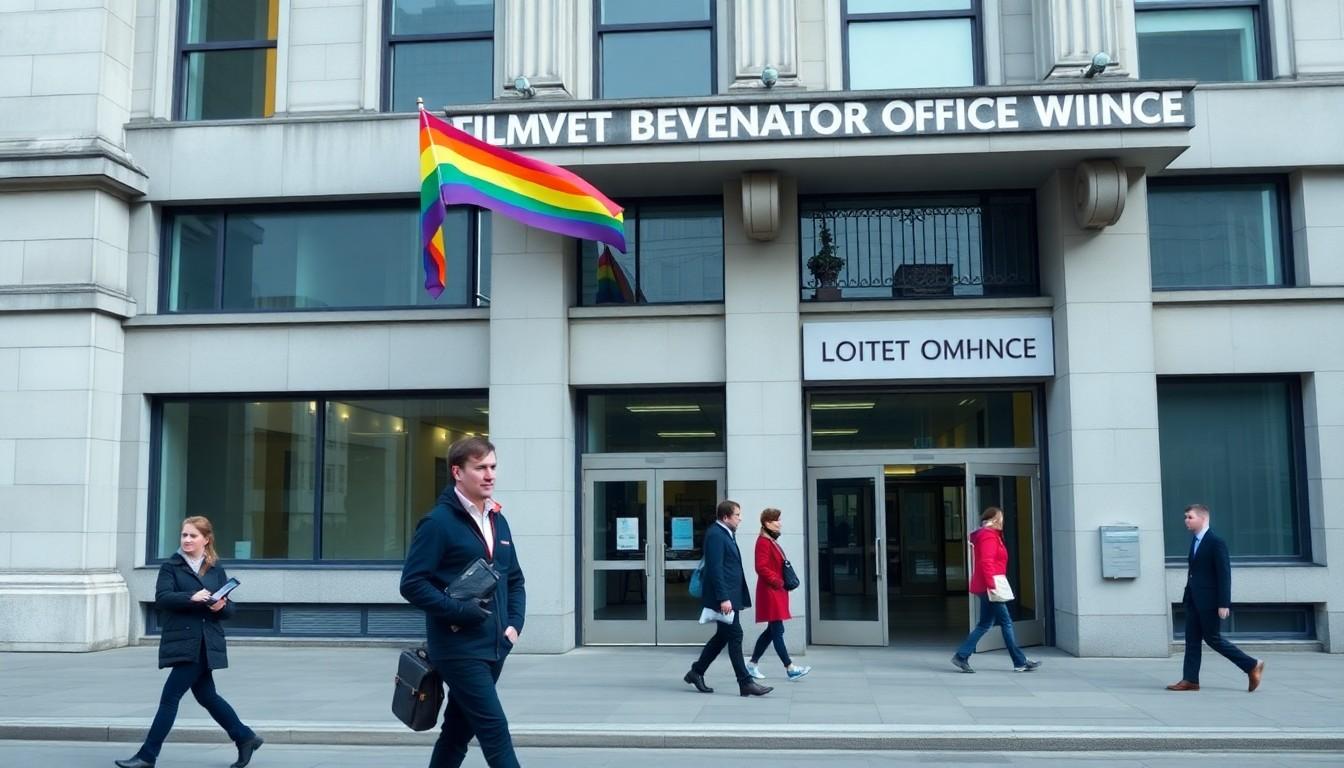
The proposed conversion practices bill could cost businesses and public bodies up to £100 million over a decade, according to its official impact assessment. That headline figure has prompted fierce debate, especially as the same assessment estimates much larger social benefits. Here’s what the numbers include, what remains uncertain, and why the legislation is attracting scrutiny.
Essential Takeaways
- Estimated costs: The impact assessment puts the bill’s cost to businesses and public bodies at up to £100 million over ten years.
- Claimed benefits: It estimates £783 million in social benefits, linked to reduced depression among gay and transgender people.
- Some costs remain uncounted: The assessment says costs to police, courts and prisons have not yet been calculated.
- The bill’s purpose: The draft legislation is intended to prohibit abusive practices aimed at changing a person’s sexuality or gender identity.
A £100m estimate, with major costs still unknown
The proposed conversion practices bill could bring a substantial training and compliance bill for employers and public bodies. The Government’s impact assessment estimates those costs at up to £100 million over ten years, while noting that the legislation could have a negative effect on affected organisations. The figure is striking, but it isn’t a complete tally. (GOV.UK, Draft Final Stage Impact Assessment)
Costs to police, courts and prisons have not yet been calculated, according to the assessment. That leaves an important gap in the overall picture: the eventual public-sector bill could depend on how the law is enforced and how many cases reach the justice system. (GOV.UK, Draft Final Stage Impact Assessment)
Why the bill is being proposed
The draft bill aims to prohibit abusive attempts to change a person’s sexual orientation or gender identity. Its accompanying explanatory notes set out the legislation’s intended scope and how its provisions are designed to work. (GOV.UK, Draft Conversion Practices Bill; GOV.UK, Explanatory Notes)
That distinction matters in a debate where critics have raised concerns about how the law might apply to conversations within families. The bill’s effects will depend not only on its wording, but also on how the provisions are interpreted and enforced. (GOV.UK, Draft Conversion Practices Bill; House of Lords, Draft Conversion Practices Bill debate)
The benefits estimate is far higher
Against the estimated costs, the impact assessment puts the bill’s potential social benefits at £783 million over ten years. It links that projected value to fewer gay and transgender people experiencing depression. (GOV.UK, Draft Final Stage Impact Assessment)
Those figures are estimates, not guaranteed savings or returns. The assessment offers a case for weighing potential improvements in wellbeing against the costs of putting the law into practice, but critics have questioned how confidently either side of the calculation can be measured. (GOV.UK, Draft Final Stage Impact Assessment; Policy Exchange, Not What It Says on the Tin)
What employers and public bodies should watch
For organisations, the immediate practical question is what training and operational changes the final legislation would require. The impact assessment identifies training as a source of cost, while the draft bill and explanatory notes provide the detail needed to understand the proposed rules. (GOV.UK, Draft Final Stage Impact Assessment; GOV.UK, Draft Conversion Practices Bill; GOV.UK, Explanatory Notes)
Businesses and public bodies should keep an eye on how the bill develops, particularly on guidance and enforcement. Until those details are clearer, the headline cost gives a useful warning of the likely administrative burden, but not a full forecast of the bill’s impact. (GOV.UK, Draft Final Stage Impact Assessment; House of Lords, Draft Conversion Practices Bill debate)
A contested forecast, not a final bill
The debate is about more than a single price tag. Supporters of the legislation point to its intended protections, while critics argue that both the estimated costs and benefits rest on uncertain assumptions. That leaves readers with two large numbers, and plenty of questions about what happens in practice. (GOV.UK, Draft Final Stage Impact Assessment; Policy Exchange, Not What It Says on the Tin)
The bill’s eventual effects will become clearer as it progresses and its implementation is worked through. For now, the central takeaway is simple: the official estimate covers some significant costs, but leaves parts of the enforcement picture unresolved. (GOV.UK, Draft Final Stage Impact Assessment; House of Lords, Draft Conversion Practices Bill debate)
Follow the bill’s progress for a clearer view of its eventual costs and safeguards.
Source Reference Map
Story idea inspired by: [1]
Sources by paragraph: