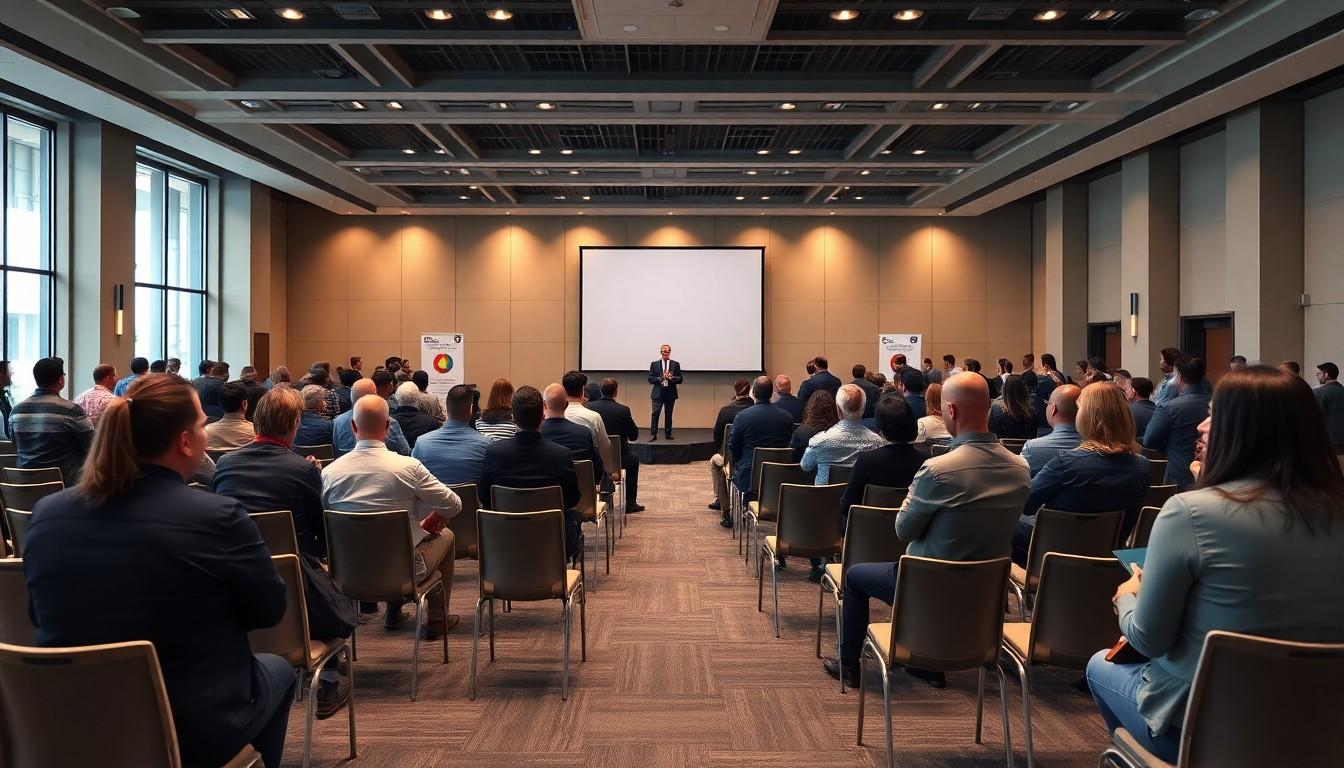
Houston business leaders gathered at Amegy Tower for the 2026 LGBTQ+ Workplace Alliance Summit, where the focus was on bringing more of the real you to work. With a keynote, a leadership panel and recognition for five employee resource group leaders, the annual event offered a practical look at how identity and inclusion shape workplace culture.
Essential Takeaways
- A Houston gathering: The Greater Houston LGBTQ+ Chamber of Commerce hosted the summit on November 4 at Amegy Tower.
- A theme with a personal edge: “The Authentic Advantage: Leading with the Power of Your Own Brand” centred on identity and leadership.
- A keynote for the day: Maximum Q founder Lisa Trapani Shumate delivered the keynote address.
- Five ERG leaders recognised: Honourees represented CenterPoint Energy, H-E-B, Cheniere, ExxonMobil and Dignity Memorial.
Houston's LGBTQ+ workplace summit put authenticity centre stage
Workplace inclusion can sound abstract until people share what it means in everyday leadership. At this year's summit, the Greater Houston LGBTQ+ Chamber of Commerce brought business leaders, corporate professionals and advocates together at Amegy Tower to explore that question through the theme “The Authentic Advantage: Leading with the Power of Your Own Brand”. The event took place on November 4. [2]
That framing gave the programme a human focus: not simply how organisations talk about inclusion, but how people lead while bringing their identities and perspectives to work. It is a timely conversation for employee groups and employers alike, where a sense of belonging is built through daily interactions as much as formal initiatives. [2], [3]
Lisa Trapani Shumate opened a conversation about personal brand
Maximum Q founder Lisa Trapani Shumate delivered the keynote. Her work through Maximum Q gives the address a connection to leadership and professional development, while the summit's theme made personal brand more than a glossy career phrase. [2], [4], [5]
In a workplace, authenticity isn't a one-size-fits-all instruction. It can mean having the space to contribute without feeling that every part of yourself must be edited first. That distinction matters: inclusive leadership is less about putting people on display and more about creating conditions in which they can do their work with confidence. [3], [4]
A leadership panel brought different perspectives together
The summit's panel on identity and leadership featured KHOU 11 journalist Carlos Hernandez, Kirby Liu of the Lovett Group and JP Ramirez of PNC Bank. Bringing voices from journalism, business and banking into the same discussion offered attendees a chance to consider how leadership and identity play out across different professional settings. [2]
That variety is useful because workplace culture doesn't stop at an organisation's front door. People carry their experiences across industries, teams and roles, and conversations between sectors can reveal both shared pressures and different approaches. The event's programme put those perspectives in the room together. [2], [3]
Five employee resource group leaders received recognition
Employee resource groups can help colleagues build community and give organisations a clearer view of workplace experiences. The summit recognised five leaders for that work: Jay Ferguson of CenterPoint Energy, Julie Lara of H-E-B, Luis Nacianceno of Cheniere, Christopher Stafford of ExxonMobil and Dr. Rick Ward-Harder of Dignity Memorial. [2]
It's a line-up spanning energy, retail, food and memorial services, a reminder that inclusion work takes place in very different workplace environments. Recognition doesn't replace the ongoing effort, of course, but it can make the people doing that work more visible. [2], [3]
What the summit says about inclusion at work
Chamber co-founder and CEO Tammi Wallace delivered the closing remarks. Her leadership at the Greater Houston LGBTQ+ Chamber of Commerce places the event within the organisation's wider work connecting LGBTQ+ professionals and businesses across the region. [2], [6], [7]
For employers, the practical takeaway is to treat inclusion as a habit, not a once-a-year talking point. Listen to employee groups, make room for varied perspectives and recognise the people who help colleagues feel they belong. It may sound simple, but consistent attention is often what makes a workplace feel different. [3], [6], [7]
A more authentic workplace starts with listening, then making that welcome part of the everyday.
Source Reference Map
Story idea inspired by: [1]
Sources by paragraph: