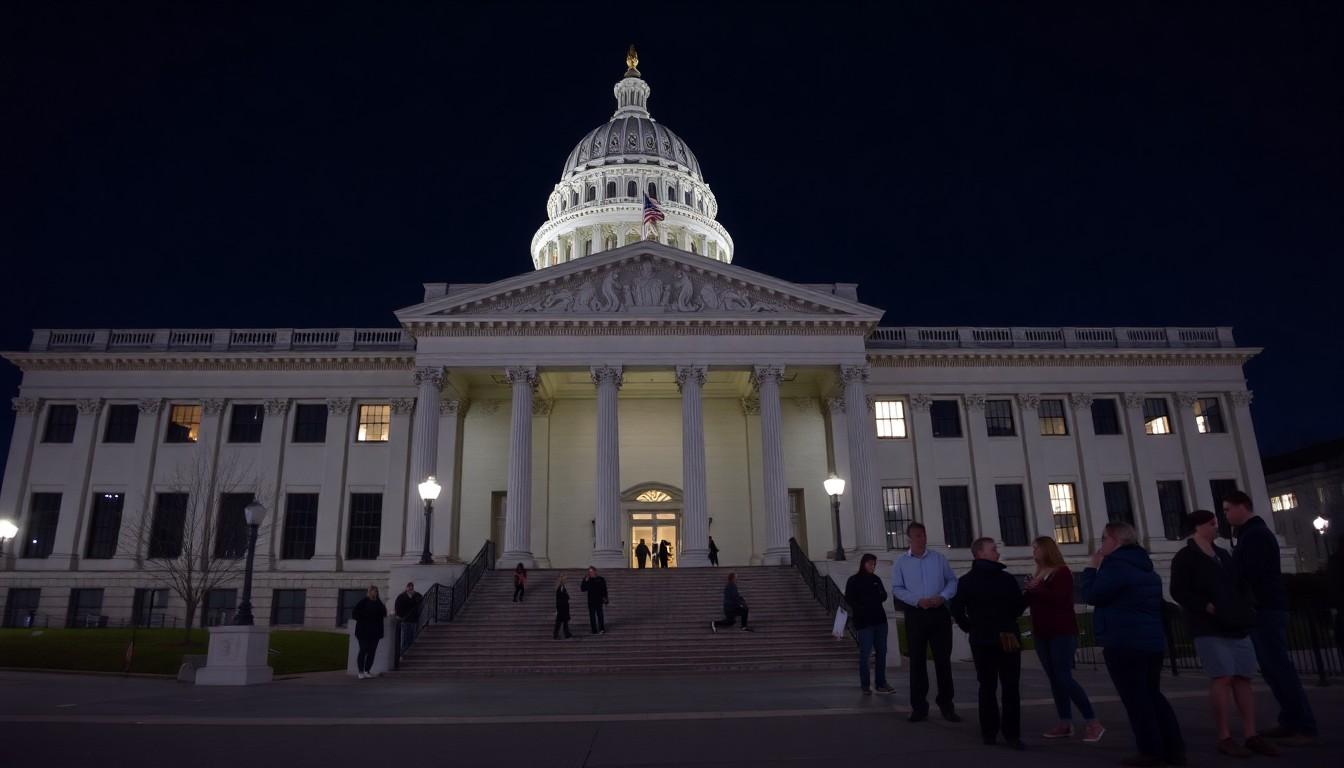
Voters have sent eight transgender or nonbinary Democrats to legislative office, including seven state lawmakers and Delaware Congresswoman Sarah McBride, who won another term. The results span states from Alabama to Montana, with firsts in several legislatures. They arrive as public debate over gender identity policies continues, making the victories both a milestone for representation and part of a wider political conversation.
Eight wins, from Alabama to Delaware
Allison Montgomery made history in Alabama, beating Republican incumbent Phillip Rigsby to become the state’s first openly transgender lawmaker. Preliminary results gave Montgomery 53.2 per cent of the vote, against Rigsby’s 46.7 per cent. The win came in House District 25, where Democrats also made gains in Madison County, Axios reported. [3]
Elsewhere, Jaelynn Scott won Washington’s 37th District with 87.2 per cent of the vote, while Joanna Whaley defeated Republican Ron Kokinda in Michigan’s second district with 62.5 per cent. Both are the first openly transgender women elected to their state legislatures. [4]
The other statehouse winners were Bentley Hudgins in Georgia, Zooey Zephyr in Montana, Leigh Finke in Minnesota and Dina Nina Martinez-Rutherford in Wisconsin. McBride, already the first openly transgender member of Congress, secured a second term representing Delaware. [2]
Georgia and Montana deliver decisive results
Hudgins won Georgia’s House District 90 with 92.5 per cent of the vote, becoming the state’s first openly transgender and nonbinary legislator. The district, near Atlanta, is strongly Democratic, and the result gives Hudgins a platform in a state where LGBTQ+ policy remains a prominent political issue. [5]
In Montana, Zephyr was unopposed in House District 95, in the Missoula area, and received 4,761 votes. The state’s official election-results site published the district totals, making this a different kind of win from the closely fought race in Alabama. [6]
A mix of firsts and returning lawmakers
Not every result marked a first. Finke retained Minnesota’s 66A seat with 85.3 per cent of the vote, while Martinez-Rutherford won Wisconsin’s open Assembly seat with 92.5 per cent. McBride’s re-election, meanwhile, extends her service in Congress after her historic first term. [2]
Taken together, the races show how representation can grow through both new candidates and incumbents holding their ground. The margins also vary sharply: Montgomery faced a competitive contest, while several others won in districts with strong support for Democrats. [2]
Why these election results matter beyond the numbers
The wins came amid ongoing disagreements about gender identity in schools, sport and public life. A Pew Research Center survey found that 66 per cent of Americans supported requiring transgender athletes to compete according to their sex at birth, while 56 per cent backed anti-discrimination protections for transgender people in employment, housing and public spaces. [7]
Those figures point to a public conversation that doesn't fit neatly into a single position. Views differ depending on the policy in question, and the new lawmakers will enter offices where such debates are likely to continue. [7]
What to watch as the new lawmakers take office
For voters, the next measure will be what these legislators prioritise and how they work with colleagues across their statehouses. Hudgins has said they want to advance LGBTQ+ policies in Georgia, while Scott's election gives Washington another openly transgender voice in its legislature. [5] [4]
The practical details will differ by state, but the broader test is familiar: whether campaign promises translate into legislation, constituent services and lasting influence. Representation makes a difference, though what follows in the day-to-day work is where the story really begins. [2]
The election results mark a milestone; now comes the work of governing. [2]
Source Reference Map
Story idea inspired by: [1]
Sources by paragraph: