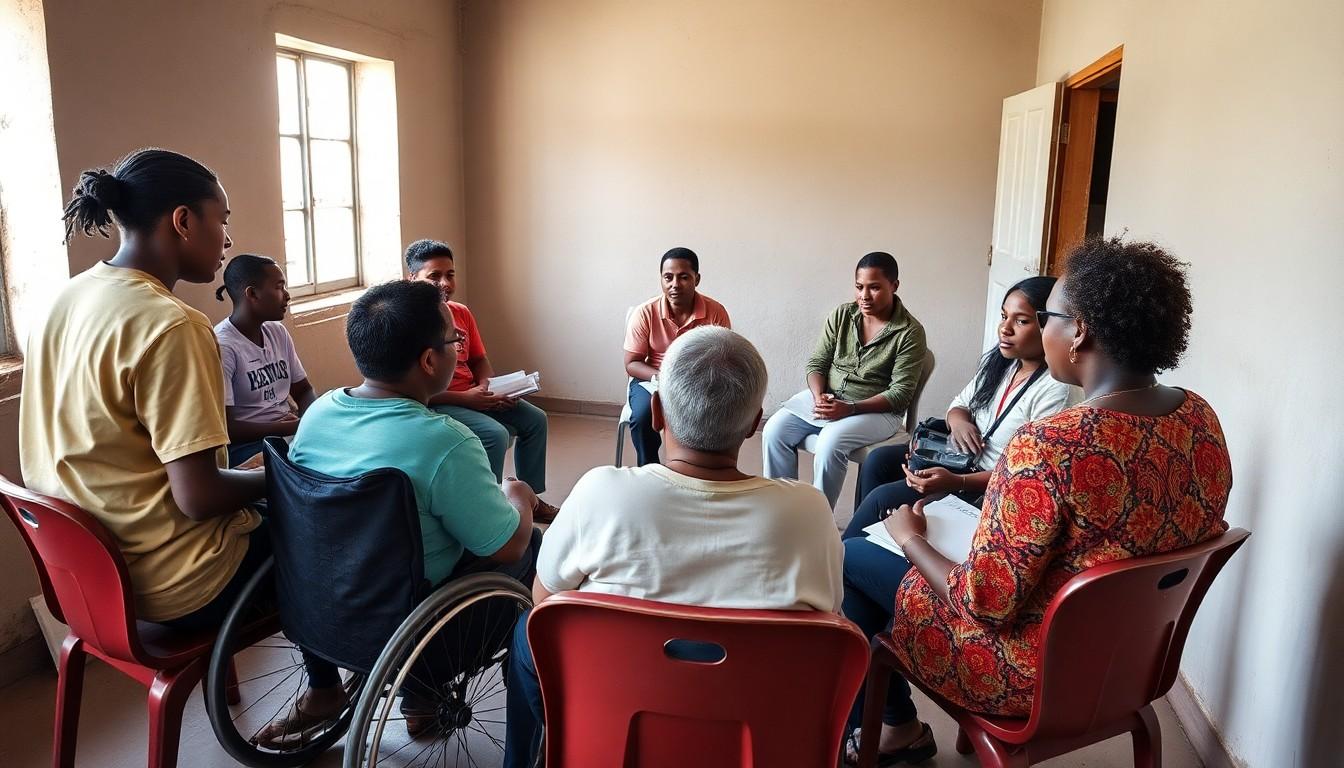
Young people in Botswana are calling for better mental health and sexual and reproductive health support, with a UNFPA and NAHPA dialogue bringing their experiences into the conversation. The issues range from stigma and gender-based violence to HIV and poverty. The important next step is turning those discussions into accessible, respectful services that work for young people in everyday life.
Botswana’s youth health debate needs more than awareness
A quiet, safe place to speak openly can be a powerful start. At a youth dialogue organised by UNFPA and the National AIDS and Health Promotion Agency, participants discussed mental health and sexual and reproductive health rights, including issues that can be difficult to raise at home, at school or in a clinic. Botswana’s wider work on adolescent health also stresses the importance of participation and support that responds to young people’s needs. (UNFPA; UNICEF)
That matters because these challenges rarely arrive one at a time. Poverty, HIV-related stigma, discrimination, harmful gender expectations and violence can affect both emotional wellbeing and access to healthcare. A young person worried about being judged may delay asking for advice, even when reliable information or support could help. (UNFPA; UNICEF)
Young people need services that see the whole picture
The dialogue’s central message was that health programmes work better when they reflect the lives of the people they’re meant to serve. UNFPA’s youth health and wellbeing report examines the situation in Botswana using census and supplementary data, offering a broader backdrop to conversations about young people’s needs. (UNFPA; Statistics Botswana)
And a single service cannot solve every problem. Mental health care, sexual and reproductive health information, HIV prevention and protection from violence all need to connect with education and social support. UNICEF’s work on adolescent development likewise highlights young people’s participation as part of helping them thrive. (UNICEF; UNFPA)
Stigma and inequality can keep people from seeking help
Participants highlighted gender-based violence, HIV/AIDS, poverty, harmful gender norms, inequality and infertility among the concerns affecting young people. Each can bring its own pressures, from fear and emotional distress to practical barriers such as transport costs or difficulty finding suitable care. (UNFPA; Statistics Botswana)
The speakers also drew attention to young people whose experiences may be overlooked in broad policy discussions, including those living with disabilities, young people living with HIV and LGBTQ+ youth. Accessible facilities, confidential support and respectful treatment aren’t extras; they can determine whether someone feels able to seek care at all. (UNICEF; UNFPA)
What youth-friendly support should look like
For young people, useful support starts with clear, accurate information and a chance to ask questions without being shamed. Confidential services, approachable health workers and referral pathways for counselling or protection can make it easier to seek help early. UNICEF’s work on adolescent health in Botswana also underlines the value of stronger action and coordination around health outcomes. (UNICEF; UNFPA)
Schools and community services can help, too, provided staff have the training and resources to respond appropriately. Families, educators, healthcare providers and government agencies each have a role, but coordination matters: a young person shouldn’t have to navigate a maze just to find the right support. (UNICEF; UNFPA)
The real test is what happens after the dialogue
The conversation brought institutions and young people together to examine barriers and possible responses. UNFPA and NAHPA’s collaboration reflects the wider need for joined-up work across health, education and youth development. Botswana’s commitments on adolescent education, health and wellbeing also point towards the importance of sustained action, rather than one-off events. (UNFPA; UNICEF)
Listening is essential, but it’s only the beginning. The next measure of progress will be whether young people’s experiences shape services that are easier to reach, more inclusive and safe to use. That’s where a promising discussion can start making a real difference. (UNFPA; UNICEF)
Small, steady improvements can make it easier for young people to get the support they need.
Source Reference Map
Story idea inspired by: [1]
Sources by paragraph: