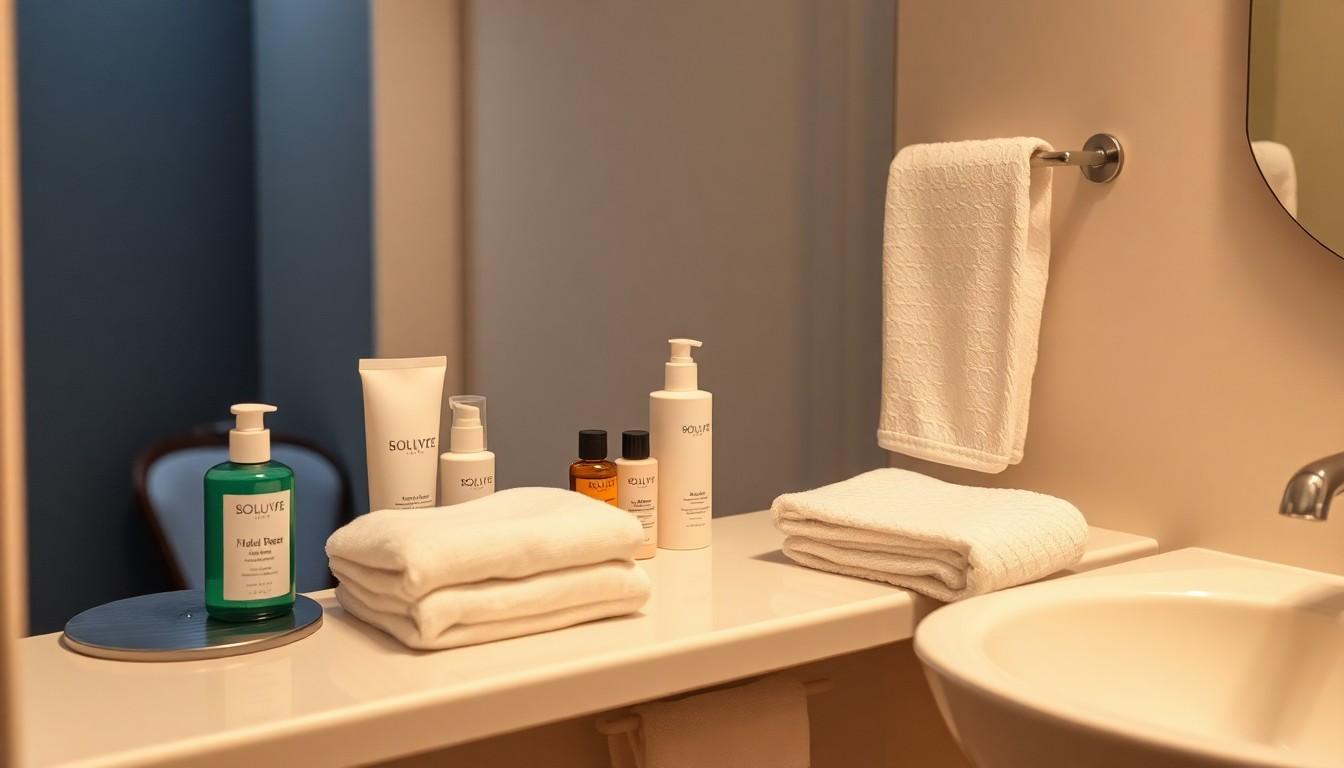
More people are treating sensual wellness as part of everyday self-care, alongside rest and stress relief. A calm, private routine can help you learn what feels comfortable, but there’s no ideal schedule or must-have product. Here’s how to explore at your own pace, choose intimate products thoughtfully and keep comfort firmly in the picture.
Essential Takeaways
- There’s no set routine: Solo pleasure can be part of self-care, but it’s entirely personal.
- Choose with care: Look for clear cleaning instructions, body-safe materials and controls that suit your preferences.
- Comfort comes first: Stop if you feel pain, numbness or irritation, and seek professional advice about persistent discomfort.
- Keep it clean and private: Follow the product’s care guidance and store it clean, dry and away from heat.
Sensual self-care can be simple and personal
Self-care doesn’t have to mean another elaborate evening routine. Sensual wellness can begin with a warm shower, comfortable clothes and a few quiet minutes without notifications. The point isn’t to reach a particular outcome; it’s to notice how you feel and give yourself room to explore without pressure. [3], [5], [7]
Solo pleasure is a normal part of sexual health for many people, but there’s no universal frequency or formula. Cleveland Clinic notes that masturbation is generally considered a normal, healthy activity, while individual habits and preferences vary. If a routine leaves you feeling relaxed and more at ease in your body, it may suit you; if it doesn’t, there’s no need to force it. [3], [8]
Choosing an intimate product? Start with what matters
A long list of features can look impressive, but simple details often matter more: what the product is made from, how it works, and how it should be cleaned. Smooth, non-porous materials such as body-safe silicone are often straightforward to maintain when you follow the maker’s instructions. Quiet operation or easy-to-use controls may also make a product feel less distracting, especially in a shared home. [2], [6]
Think about your own preferences before comparing options, whether that means vibration, air suction, warming features or a compact design. Check the dimensions, charging method and care information before buying. A few clear settings may be more useful than a feature-packed model you’re not sure how to use. [2], [6]
Comfort and safety should lead the way
Read the instructions before first use, even if the controls seem obvious. Clean the product as directed, check for damage and use compatible accessories; for silicone toys, water-based lubricant is commonly recommended, but the manufacturer’s guidance should take priority. [2], [6]
Pay attention to your body, too. Stop if you experience pain, numbness or irritation rather than trying to push through it. The American College of Obstetricians and Gynecologists says painful sex can have a range of causes, so persistent discomfort is worth discussing with a qualified health professional. Pleasure should feel comfortable, not like a test of endurance. [4], [5]
Make privacy and care part of the routine
A little preparation can help you relax: choose a time when interruptions are unlikely, silence notifications and keep anything you need close by. If sound is a concern, check the product’s noise information and try its settings beforehand. Privacy won’t look the same for everyone, so tailor the setup to your home and comfort level. [2], [7]
After use, clean and dry the product fully, then store it in a pouch or container away from direct sunlight and extreme heat. Care advice can vary by material, so keep the manufacturer’s instructions handy rather than relying on a one-size-fits-all rule. It’s a small habit that makes a more comfortable routine easier to maintain. [2], [6]
Let curiosity move at your pace
There’s no need to copy an online trend or follow someone else’s idea of a perfect routine. Start gently, notice how your body responds and adjust only if you want to. Stress, medication, hormones and energy levels can all affect desire and comfort, so a change in mood isn’t a failure or a problem to fix. [5], [7], [8]
And if you’d rather pause, that counts too. The most useful approach is the one that feels chosen, private and free from comparison. A brief note about what felt comfortable can help you remember your preferences, but even that is optional. [2], [5], [7]
A calmer routine starts with your comfort, your boundaries and what feels right for you.
Source Reference Map
Story idea inspired by: [1]
Sources by paragraph: