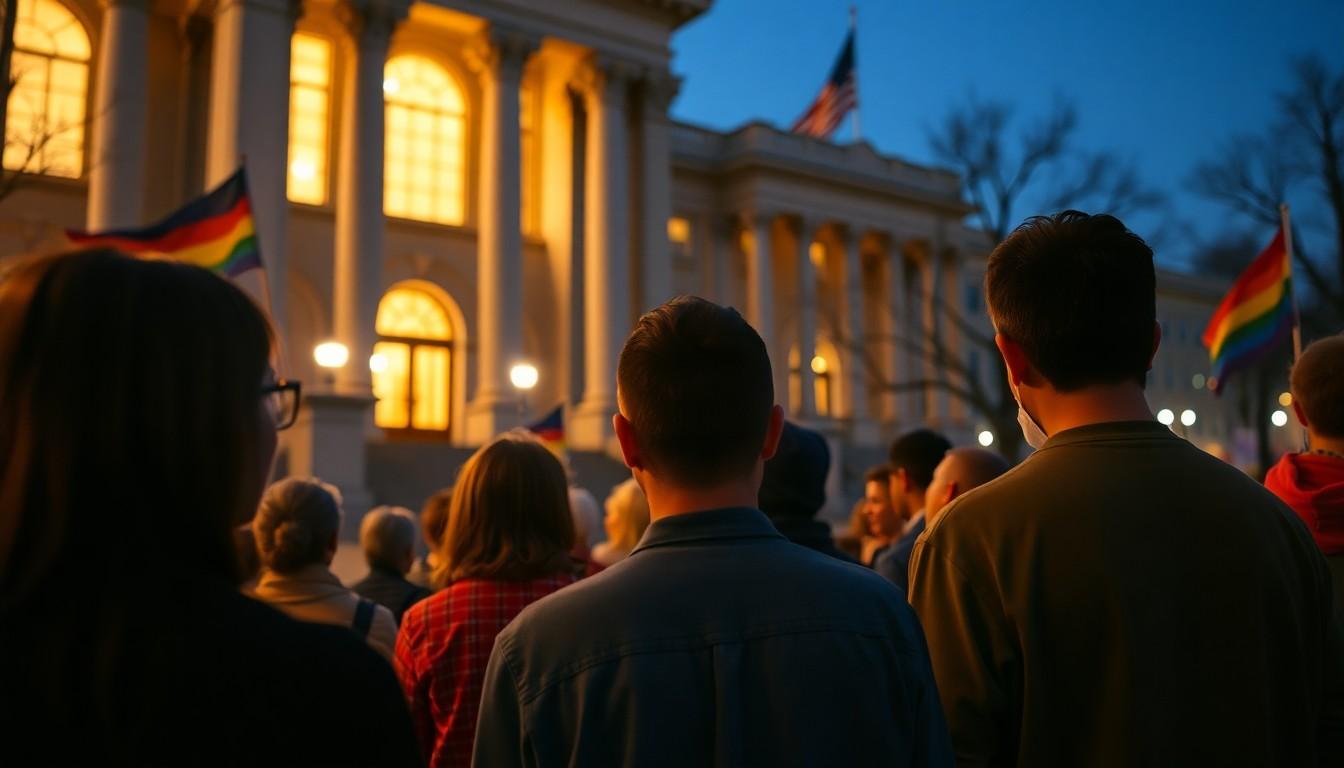
Voters across the United States have delivered a striking set of firsts in the 2026 midterm elections, electing candidates who would bring new representation to statehouses and the Senate. From Texas to New Hampshire, the results mark a dramatic shift in who gets to hold power, while also raising a familiar question: what comes next once the celebrations are over?
A wave of historic firsts changes the political landscape
The headline-grabbing victories span several states and offices. Abdul El-Sayed was elected Michigan's first Muslim US senator, while Chris Pappas became the first openly gay man elected to the Senate. Texas chose its first Latina governor, and Florida elected Byron Donalds as its first Black governor.
Those milestones sit alongside a broader set of breakthroughs. California elected former US health secretary Xavier Becerra as its first elected Latino governor, while Nevada and Wisconsin chose their first Black governors, Aaron Ford and David Crowley. In Minnesota, Amy Klobuchar became the state's first woman governor, leaving the Senate seat she'd held for two decades. [2], [5], [6], [7]
New governors bring fresh faces to state leadership
Ohio added another first, electing former state health director Amy Acton as its first woman governor after she defeated Republican Vivek Ramaswamy. The result puts a new face in the state's top job and adds to a midterm cycle in which women have made notable gains across state politics. [2]
The contests also brought change in states long considered Republican strongholds. Iowa elected Rob Sand as its first Democratic governor since 2006, while Kansas chose Adam Hamilton, the state's first Democratic US senator since 1932. Those wins suggest that even familiar political maps can shift when voters see a reason to look beyond party habit. [3], [4]
What Iowa and Kansas tell us about voter appetite
The Iowa and Kansas results are more than isolated upsets. They show Democrats making gains in places where the party has struggled to win statewide office, though a single election can't tell us whether those changes will last. Local issues, candidate appeal and turnout all matter, so the next test will be whether these victories translate into durable support. [3], [4]
That uncertainty feeds a wider debate over the Democratic Party's direction. The Associated Press has examined the competing approaches of progressives and moderates as Democrats look towards 2028. For voters, the question is less about labels than whether candidates can connect national arguments to the practical concerns shaping everyday life. [2]
Representation matters, but governing is the next test
Historic elections can make political institutions feel more open to people who haven't often seen themselves reflected in them. But a first is a beginning, not a policy record. New governors and senators will now have to build coalitions, set priorities and show constituents what their victories mean beyond election night. [2], [5], [6], [7]
For candidates such as Texas governor-elect Gina Hinojosa, governing across political differences may be part of that challenge. The Associated Press has reported on her plans for a bipartisan administration, a reminder that symbolic milestones and the day-to-day work of governing will quickly meet. [5]
A changed map, with more questions ahead
These results offer a vivid snapshot of a changing electorate, but they don't settle the arguments over party strategy or the direction of American politics. The gains in Iowa and Kansas, alongside the new faces entering state leadership, will give both parties plenty to study before the next national contest. [2], [3], [4]
And for voters, the most meaningful measure may arrive after the headlines fade: whether these newly elected leaders deliver on the hopes their campaigns raised. [2], [5]
It's a historic set of results; the harder work begins in office.
Source Reference Map
Story idea inspired by: [1]
Sources by paragraph: