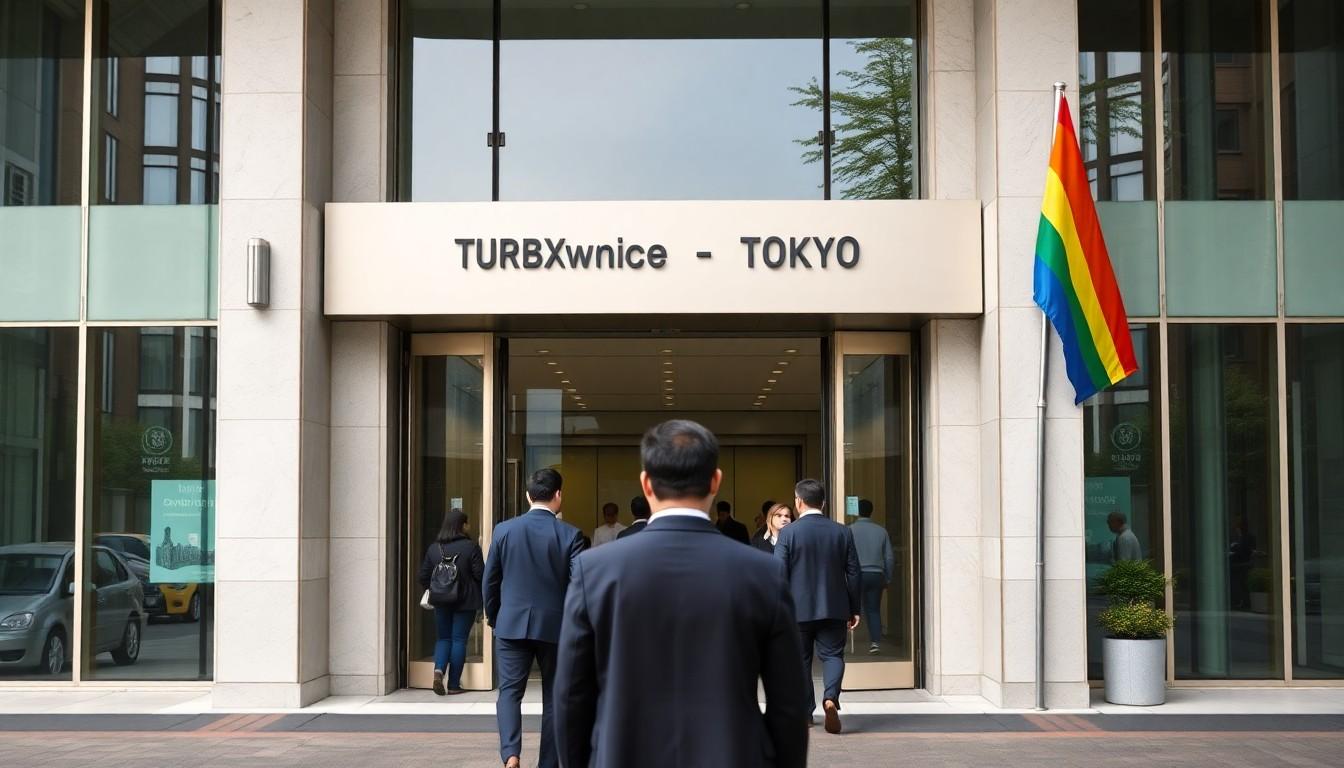
A major LGBTQ+ workplace conference in Tokyo will bring together business leaders, human-rights experts and cultural voices to look beyond policy and towards people’s lives. Work with Pride 2026 takes place on 25 November, with discussions spanning career plans, regional allyship, queer media and marriage equality, alongside the announcement of its workplace inclusion awards.
Essential takeaways
- When and where: The conference runs from 1pm to 5pm on 25 November 2026 at the Keidanren Kaikan International Conference Hall in Tokyo.
- Online access: Online attendance is available through the organisation’s YouTube channel, with no advance registration required.
- What’s on: Sessions cover LGBTQ+ careers and life planning, regional allyship, queer content and marriage equality.
- Awards: Organisers will announce the 2026 PRIDE Index results and the year’s Rainbow Certification recipients.
- Who’s speaking: Guests include UN independent expert Graeme Reid, screenwriter Erika Yoshida and Hu Wei, a participant in Netflix’s The Boyfriend 2.
A conference looking beyond workplace policies
LGBTQ+ inclusion at work isn’t only about what’s written in a staff handbook. Work with Pride 2026 will explore how employers can help people feel able to plan their careers, relationships and later lives with greater confidence. The Tokyo event marks the organisation’s 15th anniversary and is the second of two special conferences planned for 2026. According to the conference announcement, its theme connects marriage equality with AI and narrative, while keeping the focus on how businesses can support a more positive future for LGBTQ+ people. [3]
The programme takes place on Wednesday 25 November, from 1pm to 5pm, at the Keidanren Kaikan International Conference Hall. In-person attendance requires advance registration, while online viewers can tune in through work with Pride’s official YouTube channel without signing up. For anyone interested in workplace inclusion, the hybrid format makes the programme easier to follow beyond the conference room. [3]
From global rights to everyday working life
The opening keynote will feature Graeme Reid, the UN-appointed Independent Expert on protection against violence and discrimination based on sexual orientation and gender identity. He’ll discuss SOGI in workplaces around the world and what companies can do, with work with Pride representative Gon Matsunaka guiding the session. Reid’s UN role connects the day’s conversations in Japan to wider international work on LGBTQ+ rights. [3], [5]
The first panel turns to the practical stuff people build their lives around: careers, partners, families and ageing. A clinical psychologist, a business leader and an advocate will consider what employers can do to help LGBTQ+ staff picture a future at work and beyond it. It’s a useful shift in emphasis: inclusion isn’t just about being welcomed on the first day, but about being able to imagine staying, progressing and building a life there. [3]
Regional allyship gets a place on the agenda
The programme also challenges the idea that LGBTQ+ workplace inclusion belongs only to large companies in Tokyo. A panel brings together representatives from a Kyushu Pride organisation, a regional drinks company, a local-value planning team and a Kansai-based employer to discuss how businesses and communities can work together. Their focus is on connecting local allyship with wider national progress. [3]
That regional perspective matters because a good workplace policy has to work where people actually live and work, not only at a company’s head office. The conference gives local organisations and employers a chance to compare approaches, and to consider how collaboration might make inclusion more visible in their communities. [3]
Queer stories can shape how people see the world
Film, television and reality programmes are another strand of the day’s discussion. Screenwriter and novelist Erika Yoshida, Hu Wei, who appeared in Netflix’s The Boyfriend 2, and a U-NEXT executive will discuss LGBTQ+ representation from the perspectives of creators, participants and distributors. Netflix’s announcement confirms Hu Wei’s participation in the series. [3], [6]
The panel will look at how stories can influence public understanding, while asking what it means to approach queer content with human rights in mind. That’s a conversation with real-world consequences: representation can help people recognise lives and experiences they may not otherwise encounter, though the care taken in telling those stories matters too. [3]
Awards, marriage equality and what employers can do
The second half of the event will announce the 2026 PRIDE Index results and the recipients of that year’s Rainbow Certification. The PRIDE Index assesses workplace initiatives relating to LGBTQ+ people, while Rainbow Certification recognises organisations working across sectors to advance collective impact. Together, the announcements offer a moment to recognise progress and bring attention to how employers are putting their commitments into practice. [3], [4]
A final panel will consider marriage equality and the role of collaboration between businesses, civil society and the wider economic community. The discussion includes a lawyer involved in marriage equality litigation, a global business leader and a representative from Lush Japan. Marriage For All Japan has also highlighted the significance of corporate voices in the push for marriage equality. [3], [7]
For those attending in person, advance registration closes on 20 November. Whether you follow the talks online or in the room, the programme offers a clear reminder that workplace inclusion reaches well beyond the office door. [3]
A thoughtful workplace is built not only on policy, but on the futures people can imagine for themselves.
Source Reference Map
Story idea inspired by: [1]
Sources by paragraph: