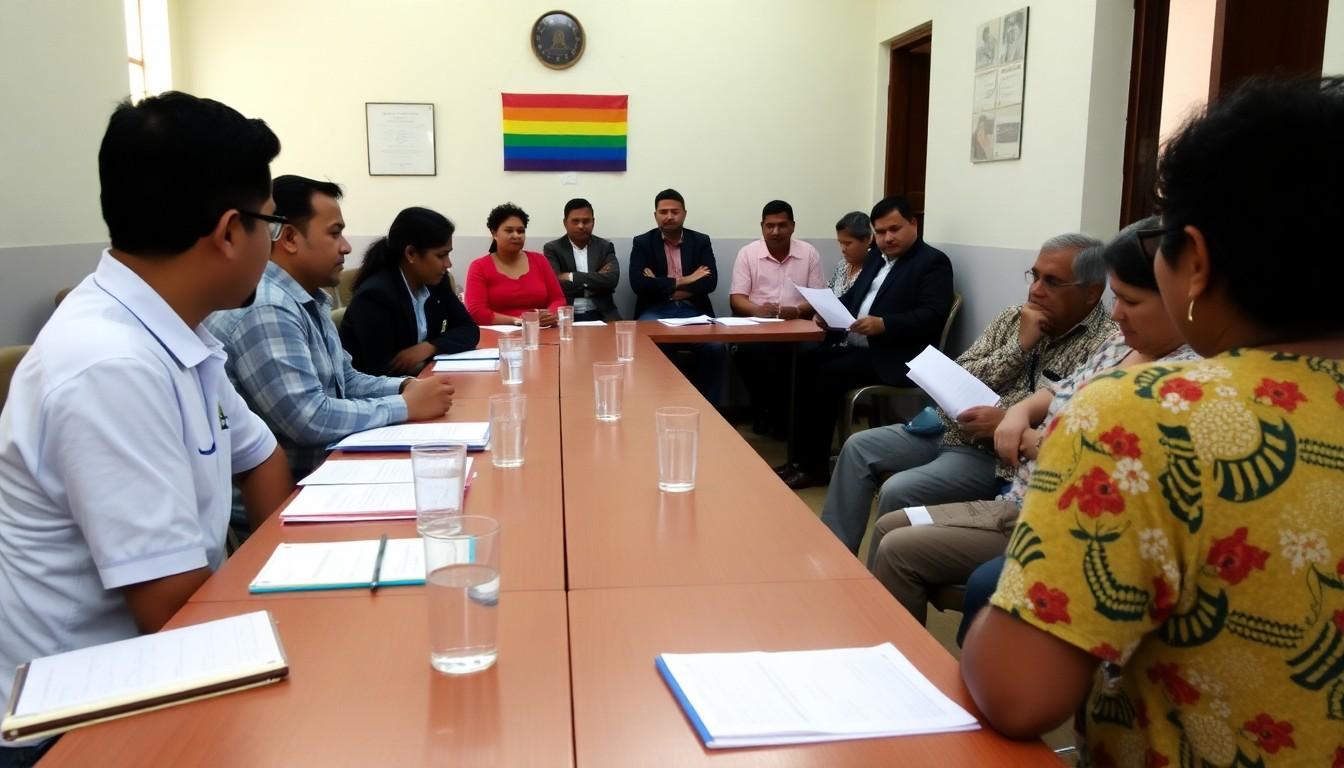
Community representatives in Valledupar are urging action on barriers to work, housing, education and healthcare as the city develops a public policy for LGBTIQ+ people. The consultation gives residents a chance to put lived experience on the table, including discrimination and violence, and could help shape how local services respond.
Essential takeaways
- A local consultation is under way: Valledupar officials are gathering community input for an LGBTIQ+ public policy.
- Barriers span essential services: Participants raised concerns about employment, housing, healthcare, education and protection from discrimination.
- Trans people face particular concerns: Community representatives highlighted difficulties affecting transgender people across several areas of daily life.
- The process is not finished: Further consultation is planned before the policy document is finalised and presented to the municipal council.
Valledupar residents put everyday barriers on the agenda
Access to work, healthcare and education can shape nearly every part of a person's life. In Valledupar, LGBTIQ+ community representatives have used a municipal consultation to describe obstacles in these areas, as well as in housing and protection from discrimination.
The discussion was organised by the city's Office of Social Management as part of work to develop a public policy for the community. Participants shared experiences and proposals across health, education, culture, recreation, civic participation and economic opportunity. The breadth of that list is telling: inclusion isn't confined to one service or one policy office.
Why community input matters
The consultation is intended to inform the policy with accounts from people directly affected, rather than relying on assumptions about what support is needed. The city's public policy adviser, Consuelo Sánchez, said the process is examining rights concerns and the conditions that create barriers, so proposals can respond to those realities.
Adriana Vaquero, of the organisation Resistencia Diversa, stressed the value of community participation in making those experiences visible within the municipal agenda. She drew particular attention to challenges faced by transgender people in employment, housing, healthcare and education, alongside prejudice and violence.
A local plan with a national policy backdrop
Valledupar's work sits within a wider public-policy framework. Colombia's 2018 national policy, established through Decree 762, sets out measures intended to guarantee the rights of LGBTIQ+ people. The National Planning Department also describes public policy as a tool for coordinating responses to social issues, rather than leaving action to isolated programmes.
That wider context matters, but local delivery is where policies meet daily life. Valledupar's consultation is tied to commitments in the city's 2024-2027 development plan, with support from the municipal ombudsman's office and a facilitation team. The plan is to agree the findings and take a completed document to the municipal council for consideration.
What happens next?
The next consultation was scheduled for 26 November, with further contributions expected to help shape the policy. The process still has to turn concerns into practical measures, and then establish how those measures will be carried out and assessed.
For residents, that distinction is important. A policy can set direction, but its value will depend on whether people can access services without facing discrimination, and whether the city follows through on the promises it adopts.
Turning consultation into lasting change
Valledupar's discussions show why listening is a necessary first step, not an outcome in itself. The real test will be whether the final policy makes daily opportunities and services more accessible for the people who helped shape it.
Source Reference Map
Story idea inspired by: [1]
Sources by paragraph: