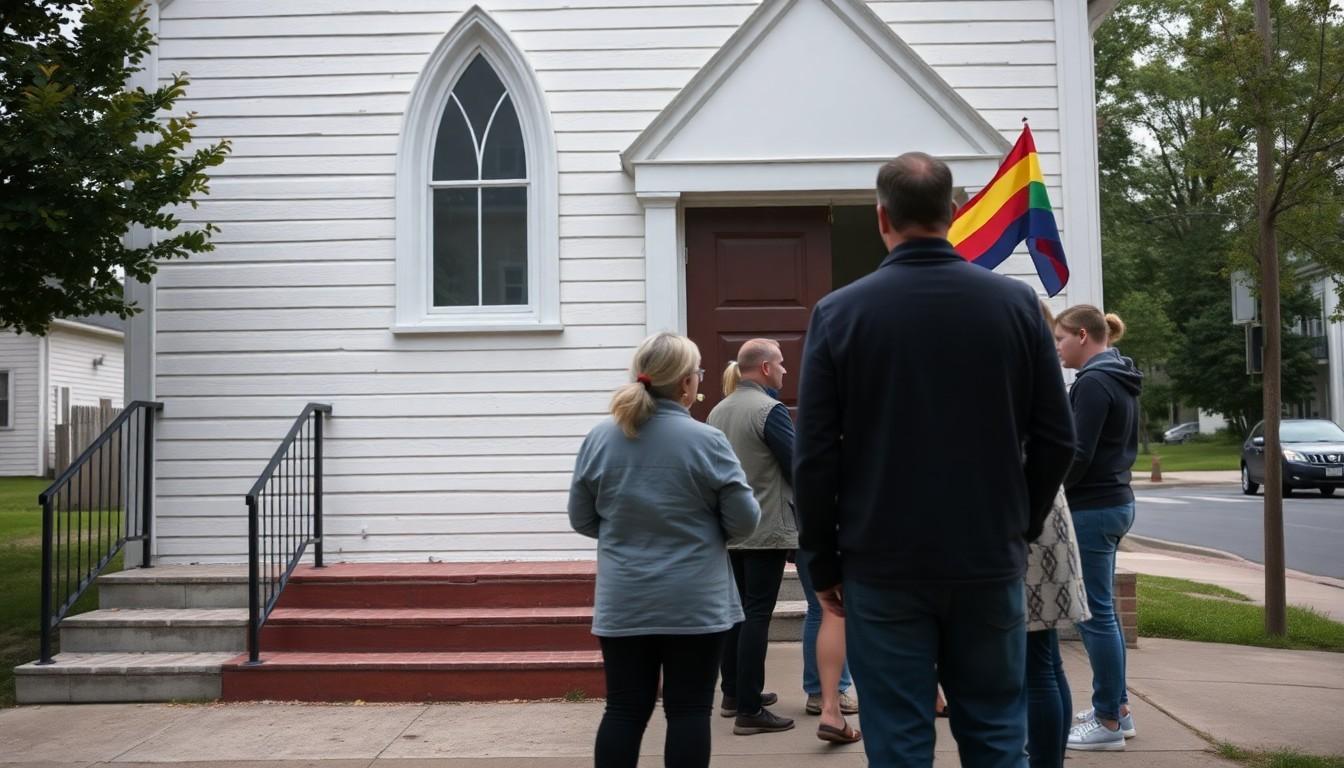
Voters across the United States turned out in striking numbers, bringing a sense of hope to many communities. But the election also put transgender rights, including protections affecting young people, under renewed pressure in several states. The contrast is a reminder that democratic change can feel uplifting for some while leaving others anxious about their safety, dignity and future.
High turnout brought hope, but not for everyone
A busy election night can feel like a burst of civic energy: people queueing to vote, results rolling in and the sense that millions have had their say. Yet the US election brought sharply different feelings for different communities. The Baptist News commentary reflected on the relief many voters felt while drawing attention to transgender people facing fresh uncertainty. (Baptist News; US Election Assistance Commission; US Census Bureau)
That tension matters. A change in political direction may offer hope, but it doesn't automatically mean that every group's rights or everyday security will improve. For transgender people and their families, a ballot measure can turn abstract political debate into a question about school, healthcare and belonging. (Baptist News; Ballotpedia)
State ballot measures put transgender rights in the spotlight
The commentary pointed to measures in Arizona, Nebraska, Colorado and Washington concerning transgender people, particularly young people. The issues included school sports, access to facilities and, in some cases, gender-affirming healthcare. The details and legal effects vary, so state-by-state reporting matters more than treating the measures as one national rule. (Baptist News; Ballotpedia)
Ballot measures are a direct way for voters to decide specific policy questions, but they can also make the rights of a minority group the subject of a campaign. That's a difficult dynamic when the people most affected are children and teenagers, who have little control over the political argument being made around them. (Baptist News; Ballotpedia)
Why welcoming a community may not be enough
For churches, the commentary makes a distinction between saying transgender people are welcome and taking action when their wellbeing is challenged. A warm greeting matters, but practical support can mean listening to transgender people, taking their concerns seriously and making congregations places where young people and their families feel safe. (Baptist News)
That isn't only a question for religious communities. Schools, families and local organisations can also ask whether their everyday practices make people feel respected and included. Good intentions are a start; consistency is what makes welcome believable. (Baptist News)
What voters and communities can do next
If a ballot measure affects your state, read the official text and check reliable local reporting before sharing claims about what it does. Ballotopedia's 2024 measures guide can help readers locate state-level questions, while official election data offers a broader picture of voting and participation. (Ballotpedia; US Election Assistance Commission; US Census Bureau)
For people directly affected, practical support starts with listening rather than assuming what someone needs. Churches and community groups can review their policies, identify trusted sources of support and make clear who people can approach for help. It may not solve a political dispute overnight, but it can make daily life feel less isolating. (Baptist News)
The work of justice continues after election night
The commentary draws on Seamus Heaney's hope that justice might one day rise, while recognising that progress can be uneven. Some voters may celebrate a result as a turning point; others may see the same night as a warning that their rights remain contested. Both realities deserve attention. (Baptist News; Seamus Heaney's The Cure at Troy)
A useful measure of an election isn't just who wins, but what happens to people with less power once the celebrations fade. For communities seeking genuine inclusion, the next steps are often quieter than election night: listening, showing up and standing beside people when public debate turns personal. (Baptist News)
Keep the conversation grounded in reliable information, and make room for the people most affected to speak for themselves.
Source Reference Map
Story idea inspired by: [1]
Sources by paragraph: