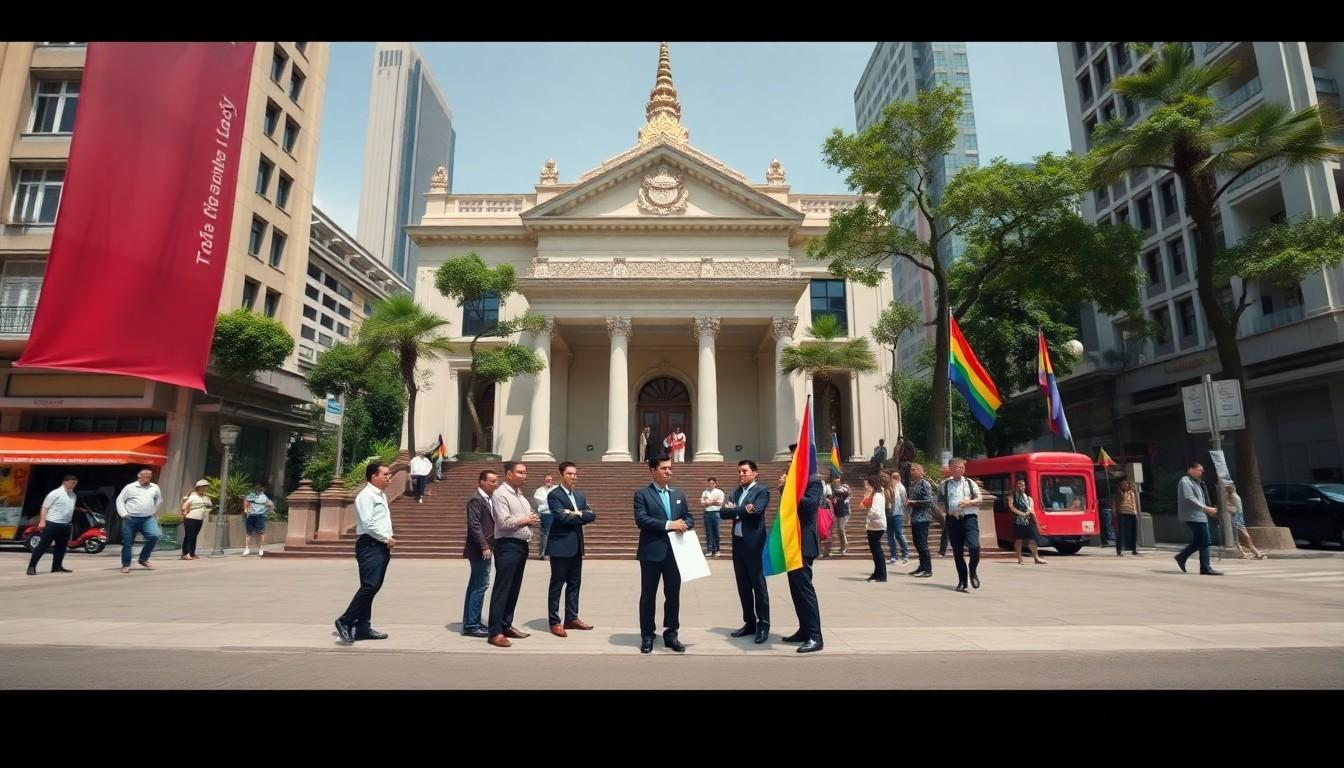
Thailand is making its bid to host WorldPride 2030 part of a wider push to turn LGBTQ+ inclusion into diplomatic influence and economic opportunity. With marriage equality now law and a major international campaign under way, Bangkok is hoping to become the first Asian city to host the event, while campaigners see a chance to press for deeper reforms at home.
Thailand is turning inclusion into a diplomatic calling card
The WorldPride 2030 bid is about more than a colourful parade. Thailand is presenting its record on LGBTQ+ rights as part of a national soft-power strategy, using visibility, tourism and cultural exports to strengthen its profile abroad. The government says its delegation promoted Bangkok’s bid at WorldPride Amsterdam in 2026, combining public events with meetings and lobbying. (Government Public Relations Department; Thailand.go.th)
WorldPride is a global event organised by InterPride and hosted by different cities. Winning the 2030 edition would make Bangkok the first Asian host, giving Thailand an unusually prominent platform to showcase its ambitions. (InterPride; Thailand.go.th)
A large tourism opportunity, with a complicated edge
The economic case is clear enough to attract official attention. One industry estimate put revenue from LGBTQ+ tourism in Thailand above US$6 billion in 2019, and the government has linked the sector to its broader plans for tourism and creative industries. (LGBT Capital; Thailand Government Public Relations Department)
But there’s a question worth keeping in view: when inclusion is also a growth strategy, who benefits? Critics may see a risk of pinkwashing, where progressive branding moves faster than protections on the ground. The bid’s long-term credibility will depend not only on visitor numbers, but on whether everyday rights continue to improve.
Thai culture travels well beyond the country’s borders
Tourism isn’t the only asset in Thailand’s rainbow diplomacy. Popular Thai television dramas about same-sex relationships have found audiences overseas, adding cultural reach to the country’s growing soft-power efforts. Thailand’s Creative Economy Agency describes soft power as a way to build influence through culture and creativity, rather than relying solely on political or economic weight. (Creative Economy Agency)
That cultural connection matters because it makes the country’s image feel lived-in, not simply official. A hit drama or a striking parade float can draw attention, while sustained policy change gives that attention a reason to last.
The campaign brings officials and advocates together
Thailand’s WorldPride effort has drawn support from government agencies and civil society groups, including Pride organisers and LGBTQ+ organisations. Their interests overlap, but they aren’t identical: officials can focus on national branding and tourism, while advocates are also seeking wider legal protections and reforms. (Thailand.go.th; Thailand Government Public Relations Department)
That partnership could be one of the bid’s most important features. A successful event would put international attention on Bangkok, but campaigners will want that attention to reach beyond the stage and into the rules that shape people’s daily lives.
What Bangkok’s bid could mean for LGBTQ+ rights
Thailand has also engaged with LGBTQ+ rights through international forums. In 2016, the UN Human Rights Office in Bangkok welcomed the establishment of a UN mandate focused on protection against violence and discrimination based on sexual orientation and gender identity. (UN Human Rights Office Bangkok)
Hosting WorldPride wouldn’t automatically settle the harder debates around equality. Still, it could give local organisations greater visibility and create a public moment that’s difficult for decision-makers to ignore. The real measure of success may be less about the size of the crowd than what changes after it goes home.
The lasting test is what happens after the celebration
Thailand’s bid shows how social progress can become part of a country’s international strategy. That can bring real benefits, but the strongest message will come from matching the polished global image with steady improvements at home.
For Bangkok, the parade may be the headline. The lasting story will be whether inclusion continues when the flags come down.
Source Reference Map
Story idea inspired by: [1]
Sources by paragraph: