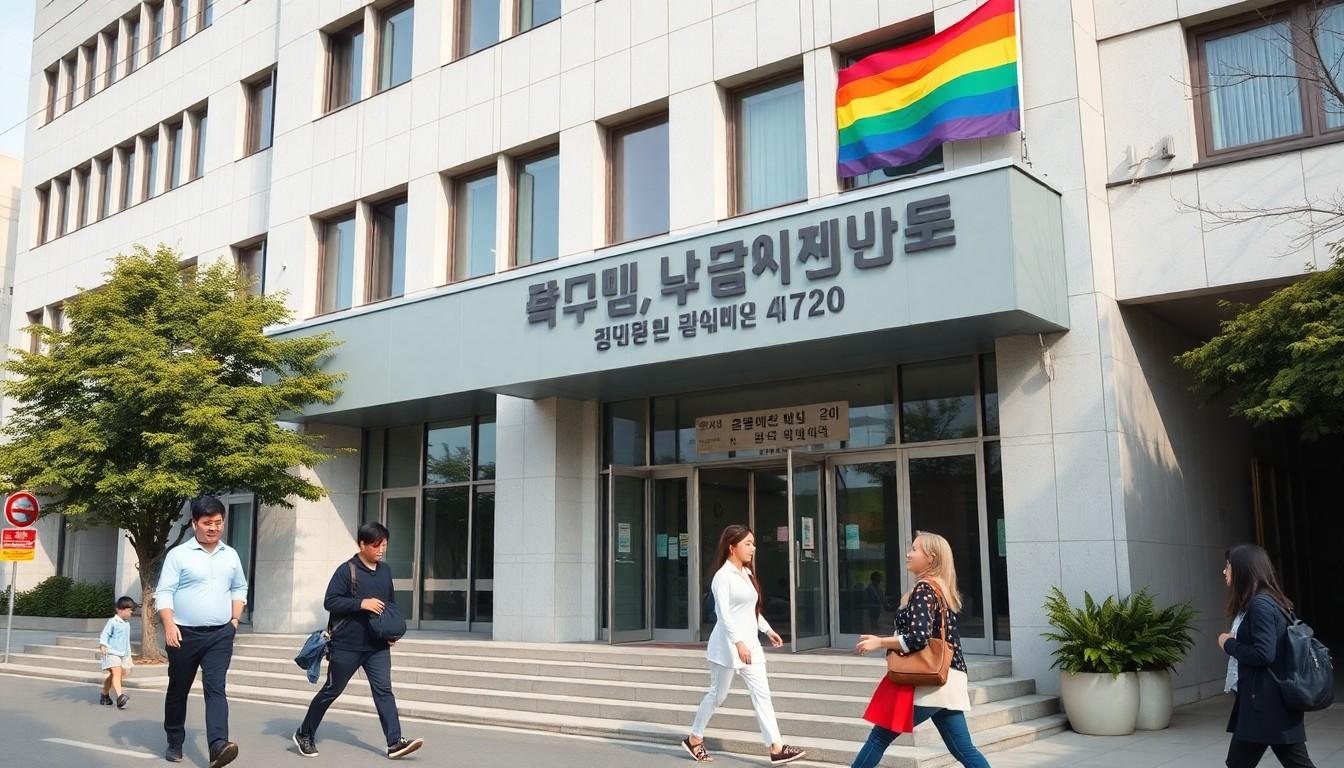
South Korea is revising a youth counselling manual after homosexuality was placed in a category alongside offences such as theft and drug-related problems. The government says it will correct the wording and strengthen counsellor training, a change that matters for LGBTQ+ young people seeking support without stigma or discrimination. [2], [4]
A counselling guide put homosexuality beside delinquency
The disputed manual was designed to help counsellors working with young people at risk connect them with counselling, welfare, healthcare and education services. But its classification of homosexuality alongside sexual violence, theft and drug-related problems prompted criticism after Korean media reported on it. [2], [3]
The Ministry of Gender Equality and Family expressed regret, saying the wording had caused concern among sexual-minority young people and others involved. It said the passage would be corrected immediately, and that experts would be consulted on broader revisions. [2], [4]
Why the wording matters in youth support
A manual isn't just paperwork: it can shape how a young person is understood at a moment when they're asking for help. Grouping sexual orientation with delinquency risks sending a troubling message, even when the purpose of the guide is to direct young people towards support. [3], [5]
The ministry said it would also strengthen human-rights training for youth counsellors. That commitment is important because respectful care depends not only on written guidance, but on how frontline workers apply it in real conversations. [4], [6]
Shelter guidance already sets out protections
The ministry pointed to a separate human-rights manual for youth shelters, revised in August. It explicitly bars shelters from refusing admission or treating young people unfairly because of their sexual orientation or gender identity. [2], [7]
The updated guidance also says staff should record the reasons for restricting admission or requiring a resident to leave, helping make decisions more transparent. When someone is struggling to adjust to shelter life, it advises staff to consider counselling, mediation and changes to living conditions before asking them to leave. [2], [7]
What the revision needs to deliver
Correcting the classification is an immediate step; making sure the revised guide works well in practice will take continued attention. The ministry has said it will seek input from experts and people working directly with young people as it reviews guidance and training. [2], [4]
For young people, the everyday test is simple: can they ask for help and expect to be treated with dignity? Listening to LGBTQ+ support organisations and frontline workers can help ensure that written protections translate into a safer, more welcoming experience. [5], [6]
It's a practical reminder that supportive care starts with the language used to describe the people seeking it.
Source Reference Map
Story idea inspired by: [1]
Sources by paragraph: