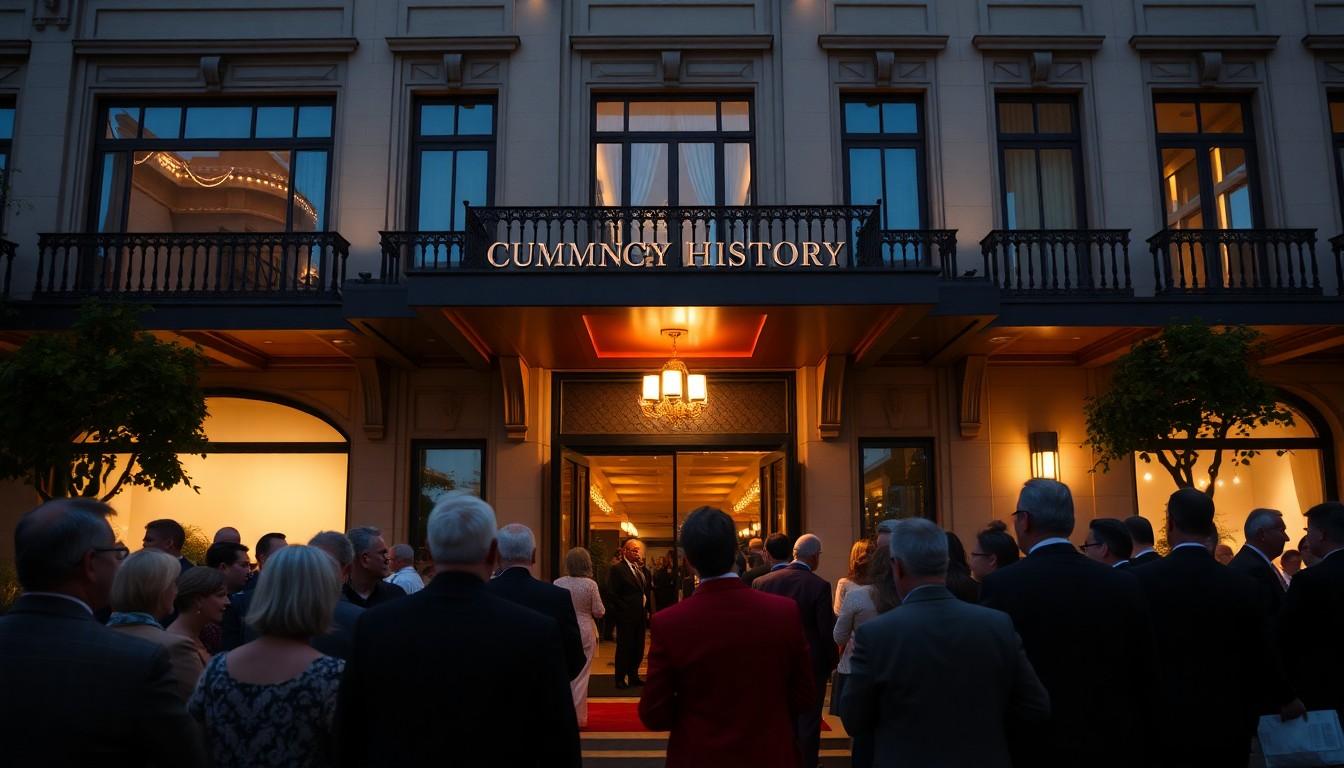
San Francisco's LGBTQ community gathered to celebrate four decades of history, activism and culture at the GLBT Historical Society's Reunion gala. More than 400 guests attended the anniversary event, which raised over $340,000 for the organisation's work preserving queer stories and making them accessible to future generations.
Essential Takeaways
- A major milestone: The GLBT Historical Society marked its 40th anniversary with a gala at the Westin St. Francis.
- Strong community turnout: More than 400 community members and allies attended the Reunion celebration.
- Fundraising success: The event raised more than $340,000, among the Society's most successful galas.
- History honoured: Marvin K. White and Dykes on Bikes received History Maker honours.
- A lasting resource: The Society's museum has been in San Francisco's Castro neighbourhood since 2011.
Four decades of LGBTQ history, in one room
More than 400 people came together at San Francisco's Westin St. Francis for the GLBT Historical Society's 40th anniversary gala, a celebration with a clear purpose as well as a festive feel. The event, titled "Forty Years Strong: Reunion," brought community members and allies together to honour the people and organisations shaping LGBTQ history. [3], [4]
Sister Roma and Honey Mahogany hosted the evening, while Society Executive Director Roberto Ordeñana and board co-chairs Ani Rivera and Jaime Santos presented speeches and awards. Author, activist and poet Marvin K. White and the motorcycle group Dykes on Bikes received History Maker honours. [3]
What the Society preserves matters
Founded in 1985, the GLBT Historical Society collects and preserves records, objects and knowledge connected to LGBTQ life and culture. Its work helps ensure that community histories are available not only to researchers, but also to anyone seeking a fuller picture of the past. [2]
The Society's museum has been based in the Castro since 2011. Its collections include the papers of drag performer and producer Heklina, as well as those of Kris Kovick, whose work as a cartoonist, writer, performance artist and activist helped shape San Francisco's queer cultural scene. [2], [7]
Archives can sound quietly academic, but their contents are anything but: they hold the flyers, photographs, writing and personal records that bring a community's everyday life into view. Preserving those materials makes room for stories that might otherwise be lost or overlooked. [2]
A gala with a generous result
The Reunion event raised more than $340,000, making it one of the most successful galas in the Society's history. That kind of fundraising gives the organisation support for its ongoing work to collect, preserve and share LGBTQ history. [3], [4]
The evening also recognised that history isn't only something stored in boxes. People who have organised, created and advocated across generations are part of the record, too. Bringing those people together gives an anniversary celebration a warmth that a date on a plaque can't quite manage. [3]
How to explore LGBTQ history in San Francisco
For visitors, the Society's museum in the Castro offers a direct way to connect with the histories behind the gala. Checking the museum's current opening information and exhibitions before setting out is a sensible first step, as details can change. [2]
Those who can't visit in person can still explore the Society's work through its online collection and events information. And if you do make it to the Castro, give yourself time: the most affecting details in a history museum are often the small, personal ones. [2], [3]
The work continues after the celebration
The gala's success offers an encouraging snapshot of community support, but preserving history is a long-term commitment. Collections need care, context and continued access, so the Society's mission reaches well beyond one anniversary night. [2], [4]
For queer communities, having a place where their stories are gathered and shared is more than a matter of nostalgia. It's a way to keep a complex, creative and changing history visible. [2]
Explore the GLBT Historical Society's museum and collections to discover more of San Francisco's LGBTQ history.
Source Reference Map
Story idea inspired by: [1]
Sources by paragraph: