A series of 40 black-and-white portraits in Provincetown brings LGBTQ+ couples and families into view, from newlyweds to partners who have shared decades together. Photographer Ron Amato began the project amid renewed legal debate over same-sex marriage. The pictures make the stakes feel personal: not an abstract argument, but a life built together.
Essential Takeaways
- Forty portraits: Ron Amato's Queer Love series celebrates LGBTQ+ couples and families through black-and-white photography.
- A Provincetown exhibition: The show is scheduled at Provincetown Commons from November 11 to December 6, with a reception on November 13.
- Long relationships take centre stage: Participants include couples together for decades, as well as parents and children and a throuple.
- A legal backdrop: The project was prompted by renewed concern about the future of marriage equality after an appeal challenging the landmark ruling reached the Supreme Court.
These portraits make the debate personal
The most striking thing about Queer Love is its quietness. In Ron Amato's black-and-white portraits, couples look at ease with one another, sometimes with a child or a dog close by. The result feels intimate rather than staged, and that simplicity is part of the point.
Amato began the project after hearing that Kim Davis, a former Kentucky county clerk who had refused to issue marriage licences to same-sex couples, was seeking to overturn Obergefell v. Hodges. The Supreme Court declined to hear the appeal in November 2025, but the episode brought fresh attention to the legal security of same-sex marriage. Associated Press coverage reported on the court's decision and the challenge behind it.
A history of love measured in decades
The portraits hold very different timelines. Rob Compton and David Wilson, plaintiffs in the Massachusetts marriage equality case Goodridge v. Department of Public Health, have been together for 29 years and married for 22. They wed on May 17, 2004, the first day same-sex marriage became legal in Massachusetts.
That date followed a landmark state court ruling. In Goodridge, the Massachusetts Supreme Judicial Court found that excluding same-sex couples from civil marriage violated state constitutional protections. The ruling helped turn marriage equality from a distant possibility into a lived reality for couples in the state.
Other participants bring their own histories into the frame. James Connors and Robert Rindler have shared 50 years together, while Marian Roth and Mary DeAngelis have been together for 42 years and married in Provincetown on the first day it was legal in Massachusetts. Their stories give the series a sense of time that no legal headline can quite capture.
Families, chosen and traditional, belong in the picture
Queer Love also widens the lens beyond couples. Stephen Walker and Patrick Wilson appear with their son, Theo, while Jill and Casey Cormier are pictured with their children, Brooklyn and Parker. A throuple, Jeff Krehely, John Mainella and Michael Pettry, is included too, offering a glimpse of a family structure that participants say is often overlooked.
That range matters because visibility isn't only about being recognised as a couple. It's also about seeing the varied ways people build a home and care for one another. The portraits quietly challenge the idea that there is just one familiar shape to family life.
Why marriage equality still feels close to home
The exhibition arrives against a long-running legal and political backdrop. Obergefell v. Hodges established the right to same-sex marriage nationwide in 2015, following years of legal challenges and campaigning. The Supreme Court's decision not to hear Davis's appeal left the ruling in place, but the renewed challenge was enough to prompt concern among people who remember how hard-won that protection was.
For Amato, photography offered a way to bring attention back to the people behind the arguments. His artist statement describes a desire to show the humanity that political debate can push to the margins. That's a simple idea, but a powerful one: sometimes a face, a hand resting on a shoulder, or a family standing together says more than another round of abstract commentary.
How to see Queer Love in Provincetown
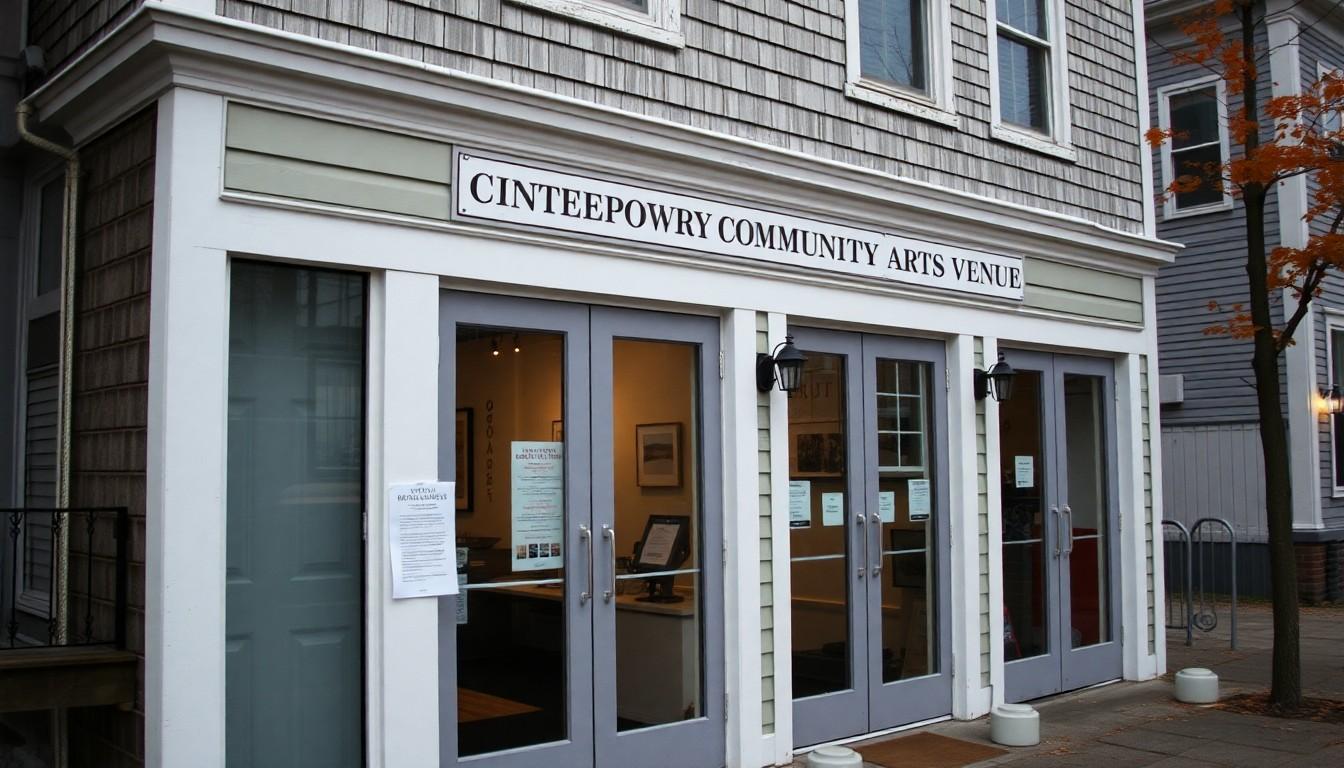
The exhibition is scheduled to open at Provincetown Commons on November 11 and run through December 6. An opening reception is listed for November 13, from 5 to 7 p.m., giving visitors a chance to see the portraits together rather than as individual images on a screen.
If you're visiting, take time with the captions as well as the photographs. The couples' reflections add the texture of ordinary life: long partnerships, family milestones, hard-won recognition, and the decision to keep showing up for one another. That's where the series finds its warmth.
A good portrait can make a political question feel human; Queer Love makes that point one face at a time.
Source Reference Map
Story idea inspired by: [1]
Sources by paragraph:
- Paragraph 1: [3]
- Paragraph 2: [4]
- Paragraph 3: [5]
- Paragraph 4: [6]
- Paragraph 5: [2]
- Paragraph 6: [2]
- Paragraph 7: [7]
- Paragraph 8: [4]
- Paragraph 9: [3]
- Paragraph 10: [2]
- Paragraph 11: [3]
- Paragraph 12: [2]
- Paragraph 13: [4]
- Paragraph 14: [3]
- Paragraph 15: [2]
- Paragraph 16: [2]
- Paragraph 17: [3]
- Paragraph 18: [2]