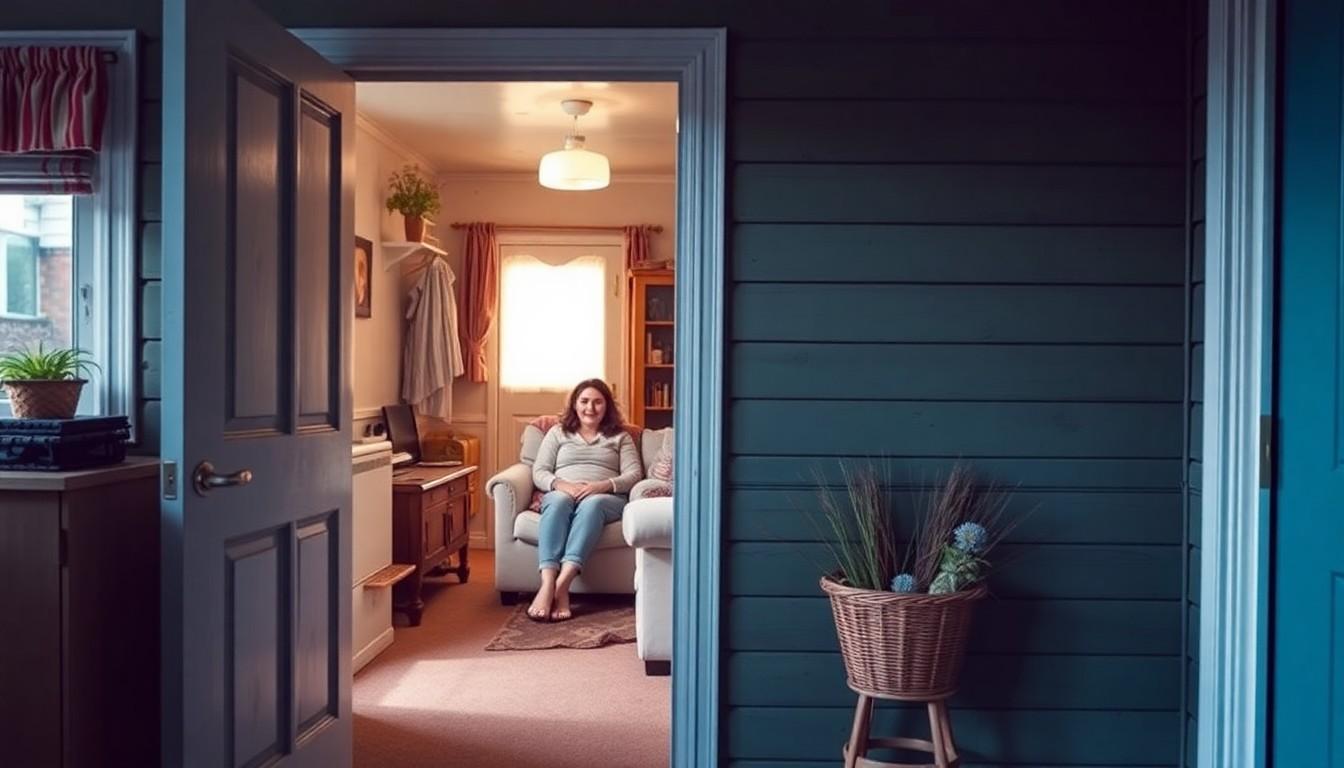
Filmmaker David McDonagh first encountered Lizzy Connors through her online performances as Queen Lizzy, a queer Irish Traveller spoken-word artist and rapper. His documentary follows her creative work and a painful family divide, asking how truth on screen might help people see one another differently.
Essential Takeaways
- A personal starting point: McDonagh says his first concern was what he could do for the person in his film.
- Lizzy’s creative world: The documentary follows Connors as a spoken-word artist and rapper creating space for other performers.
- A difficult family story: The film shows the impact of homophobia on her relationship with her family.
- A step towards reconnection: McDonagh says Connors returned to live with her family after the film was made.
- A wider perspective: Irish Travellers have distinct customs, language and heritage, and were formally recognised by the Irish state as an ethnic minority in 2017.
A film that starts with the person, not the audience
David McDonagh didn’t set out with a grand plan to become a filmmaker. He says he learned by doing, after growing up around films and eventually picking up a camera. His guiding question is less about who will watch than what the film might do for the person at its centre. (Flicker Magazine)
That instinct shaped Queen Lizzy. McDonagh found Connors through her performances online, then saw how her sexuality had strained her connection with family. The film grew from a simple, deeply human impulse: to make something with her, even if its first audience was Lizzy herself. (Flicker Magazine; Iris Prize)
Queen Lizzy brings poetry, rap and a cassette player
Connors’ creative life gives the film more than one way into her story. She performs spoken word and rap, and the documentary follows her work to make a welcoming space for other artists. (Flicker Magazine; Iris Prize)
One small object carries a lot of feeling: an old tape cassette player. Connors and her first girlfriend used one to record poetry during time together at the beach, when their relationship was kept private. It’s a modest detail, but it makes the past feel close enough to touch. (Flicker Magazine)
The family conflict is painful, but the story keeps moving
The documentary doesn’t smooth over the hardest moments. It shows conversations in which homosexuality is described in deeply hurtful terms, and Connors responds by challenging the idea that a parent should judge whom their child loves. (Flicker Magazine)
McDonagh says Connors was worried about how the film would portray her, particularly given the stereotypes often attached to Travellers. She asked that they tell the truth, he recalls, and the film follows that request into uncomfortable territory rather than tidying it away. (Flicker Magazine)
There’s also a meaningful change beyond the screen. McDonagh says Connors returned to her family after the film was made and was living with them again; he also says her relatives later reflected on what they had said. That doesn’t erase the hurt, but it suggests that being seen can sometimes prompt a conversation that once seemed impossible. (Flicker Magazine)
Why Traveller representation matters
Irish Travellers are an Indigenous ethnic minority with their own culture, customs and language, according to Irish Traveller Movement. The Irish state formally recognised Travellers as an ethnic minority in 2017, a landmark acknowledgement of a community with a long and distinct history. (Irish Traveller Movement; President of Ireland)
That context matters because a single film can’t speak for an entire community. McDonagh is careful not to claim that role. Instead, Queen Lizzy offers a more layered portrait than familiar screen stereotypes tend to allow, while making space to confront homophobia within the community too. (Flicker Magazine; Iris Prize)
A story about what happens after the credits
The film’s most affecting possibility may be that its impact doesn’t stop when it ends. McDonagh describes filmmaking as a way to help someone reflect, and says he hoped the documentary would encourage that both within Connors’ family and across the wider community. (Flicker Magazine)
That’s an ambitious hope for any documentary, but it feels grounded in the story itself. Queen Lizzy pairs the bright, public energy of performance with the quieter work of family life: listening, reconsidering, and finding a way back. (Flicker Magazine; Iris Prize)
A film can’t repair everything, but it can help people look again.
Source Reference Map
Story idea inspired by: [1]
Sources by paragraph: