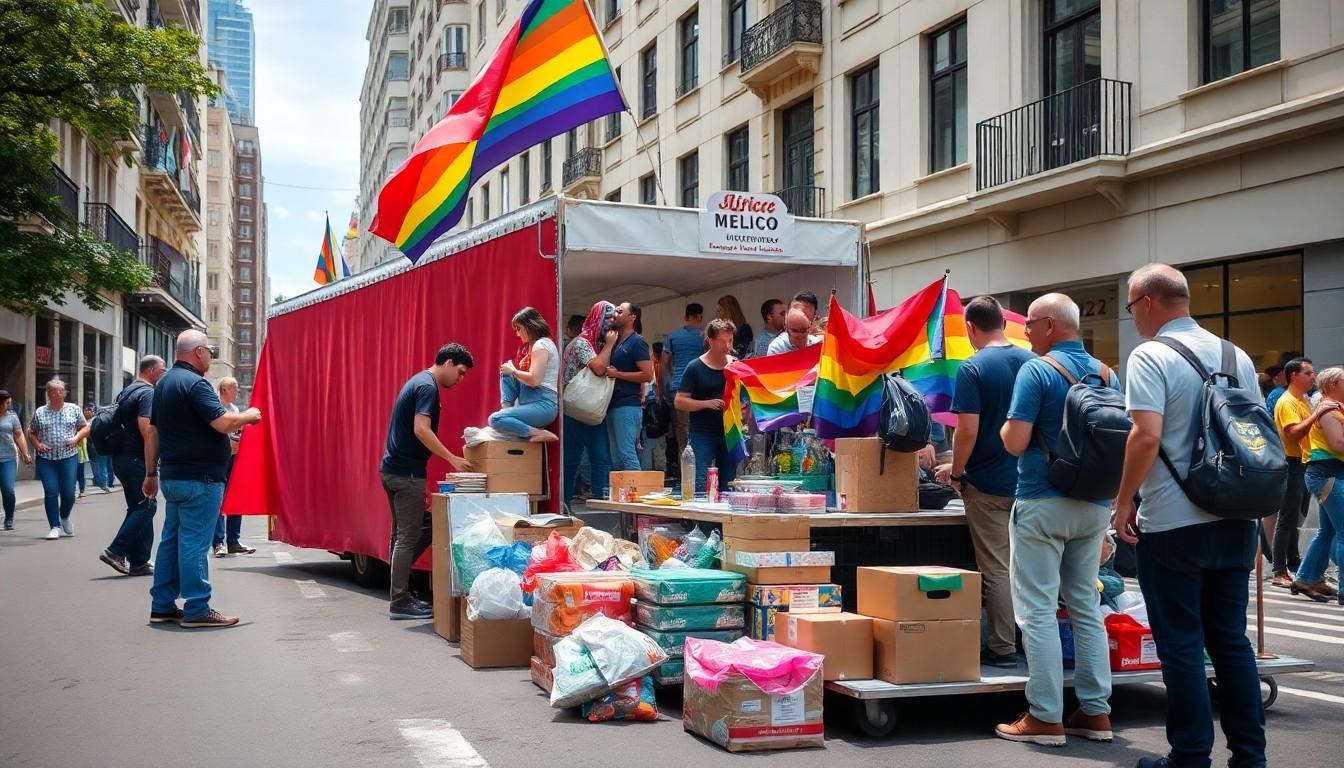
A vibrant float will bring Polenta and Mocha Celis together at Buenos Aires' 35th Pride March, pairing music and celebration with a clear message about equal rights. The collaboration puts the experiences of travesti, trans and non-binary people in the spotlight, while drawing attention to continuing barriers in work, education and healthcare.
A party float with a purpose
Music, colour and a serious message will share the same space when nightlife brand Polenta and civil association Mocha Celis join the 35th Pride March in Buenos Aires. Their shared float is designed to celebrate LGBTIQ+ identities while making the demands of travesti, trans and non-binary communities harder to overlook. [2], [3]
That blend matters. Pride is a celebration, but it also gives people a public platform to call out discrimination and unequal access to everyday essentials. The Mocha Celis collaboration brings those concerns into a setting where visibility is part of the point. [2], [3]
The barriers the march is highlighting
Mocha Celis has drawn attention to social exclusion, difficulties securing formal employment and vulnerability in accessing healthcare. The organisation reports that life expectancy for travesti and trans women in Argentina remains around 35 years, a stark reminder that visibility alone can't resolve deep-rooted inequalities. [2], [4]
The figures Mocha Celis shared for 2025 also show the scale of practical support involved. Its reported work included 6,000 rights-related consultations, 40 placements in private-sector jobs and a database of more than 900 travesti, trans and non-binary people actively seeking formal employment. It also said 600 people receive food assistance each month. [2]
Education is part of the answer
Founded in 2011, Mocha Celis has built its work around education and wider support for the travesti and trans community. Its popular secondary school and professional training programmes aim to open doors that have often been kept firmly shut. [5], [6], [7]
The organisation reported 170 graduates from professional training courses in 2025. That kind of education can help people build skills and move towards work, though it takes more than a certificate to remove barriers in hiring and healthcare. [2], [7]
What Polenta brings to the partnership
Polenta's involvement connects the march's rights message with nightlife and popular culture. The organisation says it backs inclusion through hiring people from the community and offering free entry to its events, bringing that approach into the public-facing collaboration. [2]
It's a useful reminder that inclusion isn't only about a one-day appearance. Hiring practices, access and ongoing support matter too, so the partnership's impact will ultimately be measured by more than the float's presence in the parade. [2], [3]
Why Pride remains a public platform
Buenos Aires' Pride March offers a visible space for celebration and advocacy, bringing people together around both identity and equal rights. For organisations such as Mocha Celis, that visibility can help keep persistent inequalities in the conversation. [2], [3]
And the mix of a lively party and a serious cause needn't feel contradictory. A joyful march can make people stop, look and listen; the harder work is making sure the message carries on after the music fades. [2], [3]
A bright float can draw the crowd in; lasting inclusion takes work beyond the parade.
Source Reference Map
Story idea inspired by: [1]
Sources by paragraph: