LGBTQ adults in the US are more likely than non-LGBTQ adults to belong to online communities, and many say those spaces help them feel accepted. A new Pew Research Center survey also finds that people value these groups for fun, support and sharing thoughts, while highlighting the risks that can drive members away.
The online community gap is clear
Nearly half of LGBTQ adults in the US say they’re part of an online community, compared with 35% of adults who aren’t LGBTQ. The figure comes from a Pew Research Center survey of 9,750 US adults, conducted from 26 May to 1 June 2026. (Sources: [2], [3], [6])
The survey used a broad definition of online community: people connecting through social media, forums, group messages or online games, for example. That wide lens matters, because belonging can grow in a quiet chat group just as readily as in a bustling public forum. (Sources: [2], [4], [5])
Acceptance gives these spaces extra weight
Among adults who belong to online communities, 42% of LGBTQ respondents say these spaces bring a great deal or quite a bit of value to their lives. That compares with 25% of non-LGBTQ respondents. (Sources: [2], [3], [5])
Acceptance stands out as a reason for returning. Nearly three-quarters of LGBTQ adults say feeling accepted is one reason they visit their most-used community, compared with about half of non-LGBTQ adults. The appeal goes beyond reassurance: 83% say they go to share their thoughts, while 74% cite getting support. (Sources: [2], [3], [5])
And these aren’t just practical help desks. Fun is a reason to visit for 94% of LGBTQ adults in online communities, while 47% say they go to see if there’s drama. Online life, apparently, can offer both a comforting corner and a front-row seat to the plot. (Sources: [2], [3], [5])
Online friendships can feel just as meaningful
The survey also points to a broader difference in how people view relationships formed online. Some 59% of LGBTQ adults say these relationships can be just as meaningful as in-person ones, compared with 31% of non-LGBTQ adults. (Sources: [2], [3], [5])
That finding gives context to the value people place on digital groups. For some, an online community isn’t merely a place to pass time; it can be part of how they build friendships, exchange ideas and find people who understand their experiences. (Sources: [2], [3], [7])
A good community still needs good boundaries
The benefits don’t erase the downsides. Among LGBTQ adults who have left an online community, 57% say harassment was a reason, and the same share say they didn’t feel they belonged. The comparable figures among non-LGBTQ adults are 41% and 44%. (Sources: [2], [3], [5])
If you’re choosing a group, notice how its members treat newcomers and how moderators respond when conversations turn sour. A useful community should make room for disagreement without letting harassment become the price of participation. (Sources: [2], [3], [4])
The right space is about more than numbers
Pew’s findings suggest that online belonging can be especially meaningful for LGBTQ adults, but the value of a community depends on what happens inside it. Feeling accepted, finding support and enjoying shared interests can all matter; so can having the freedom to leave when a space no longer feels safe. (Sources: [2], [3], [7])
For anyone looking for connection online, the simplest test may be the most human one: do you feel comfortable being yourself there? (Sources: [2], [3], [4])
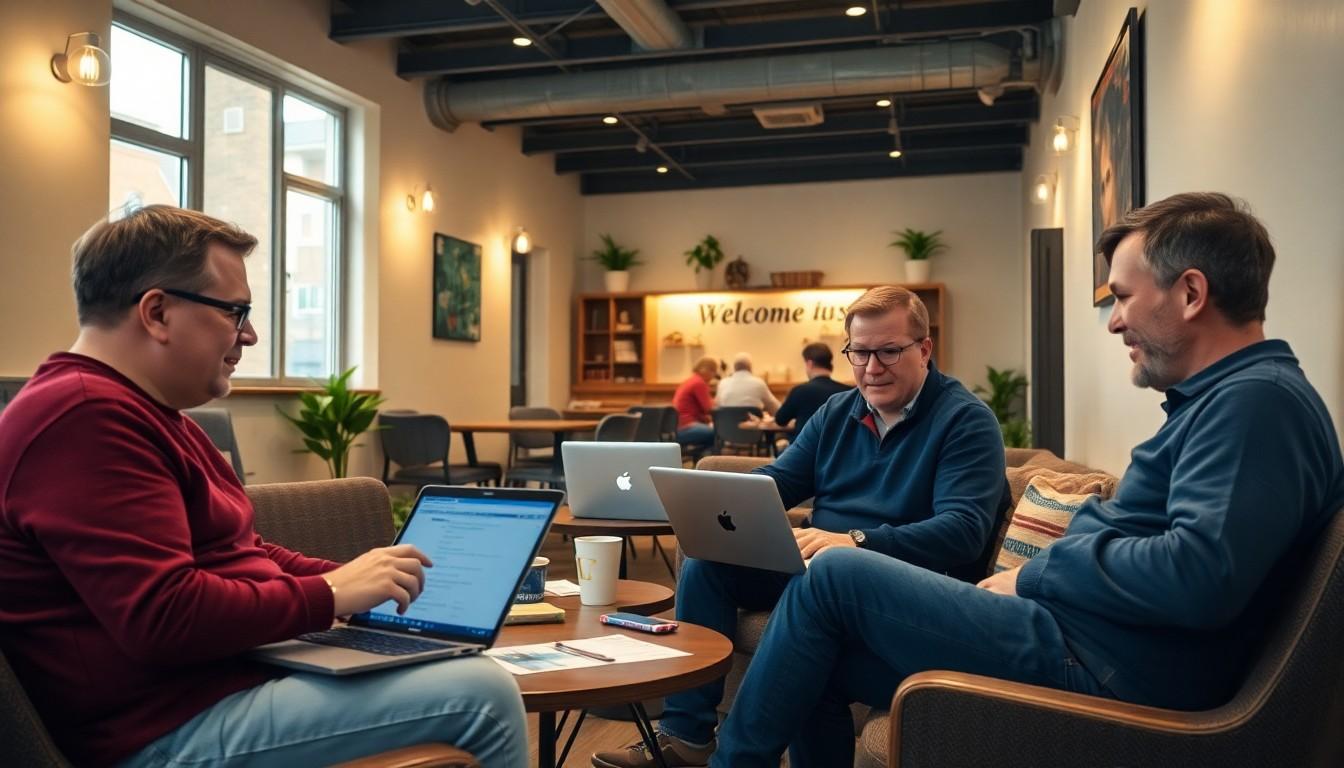
A welcoming online community can make connection feel closer, even when members are miles apart.
Source Reference Map
Story idea inspired by: [1]
Sources by paragraph: