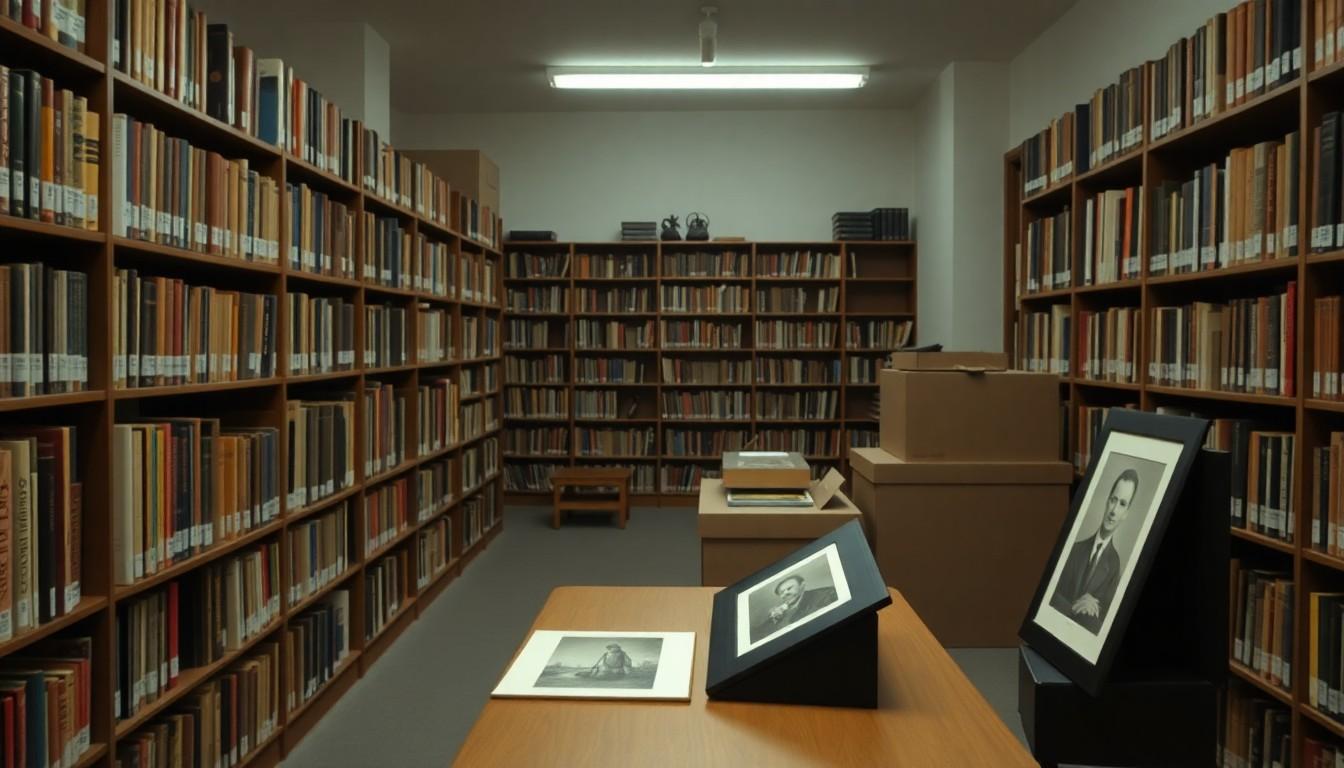
LGBTQ history lives in more than textbooks: it can be found in photographs, literature, personal papers and cultural records. For curious readers, students and researchers, specialist archives and library guides offer a route into this varied past, with helpful signposts for exploring primary sources and wider LGBTQ studies.
Essential Takeaways
- Start with primary sources: The GLBT Historical Society and university libraries point readers towards original records and collections.
- Use research guides: The Library of Congress and Oxford’s Bodleian Libraries provide curated starting points for LGBTQ history and studies.
- Expect a broad field: Resources cover history, art, literature, politics and culture, rather than one narrow strand.
- Check context and rights: Archival descriptions can clarify where material came from, while image use may have separate permissions.
LGBTQ history is found in unexpected places
A photograph, a personal letter or a piece of art can make the past feel immediate in a way a timeline rarely does. For readers exploring LGBTQ history, those objects are more than illustrations: they can offer evidence of how people lived, created communities and recorded their experiences.
The GLBT Historical Society’s primary-source sets give researchers a route into material grounded in historical records. Meanwhile, the Library of Congress research guide helps readers navigate LGBTQ-related subject areas and collections. (GLBT Historical Society; Library of Congress)【2】【3】
Begin with a guide, then follow the archive
It’s easy to feel overwhelmed by the sheer number of collections online. A curated library guide helps narrow the search, offering a practical starting point before you dive into catalogues and individual records.
The Bodleian Libraries’ LGBTQ history resources and the University of Washington’s guide to primary sources both support that first step. They’re useful for students, but also for anyone who wants to explore a subject with more direction than a general web search can provide. (Bodleian Libraries; University of Washington Libraries)【4】【6】
Look beyond history books
LGBTQ studies stretch across art, literature, politics and popular culture, as well as social and political history. That breadth matters: a novel, a visual work or a community publication may illuminate a period in ways official records don’t.
San Francisco State University’s digital collections include material connected with GLBT history, while the Library of Congress also lists external websites for LGBTQ studies. Together, these resources offer different ways into the subject, from digitised collections to wider research links. (San Francisco State University; Library of Congress)【5】【7】
Make the most of primary sources
Start with a question rather than trying to read everything. You might be tracing a particular community, looking for representations in art, or trying to understand how a historical event affected LGBTQ lives. A focused question makes it easier to judge which records are relevant.
As you explore, note the creator, date and original purpose of each item. Those details can change how a source reads, and they’re especially important when a photograph or document is presented without much surrounding context. Library guides can help you locate material, but careful interpretation remains part of the work. (GLBT Historical Society; University of Washington Libraries)【2】【6】
A more welcoming way to explore
The best online research paths don’t assume you already know the right terminology or where to look. The Library of Congress’s subject guide and external-resource directory, alongside university and specialist collections, give readers several routes into LGBTQ history and culture. (Library of Congress; Bodleian Libraries)【3】【4】【7】
That variety is worth embracing. A researcher may begin with a catalogue, while another reader arrives through art or literature; either way, the important thing is to approach the material with curiosity and respect for its context.
Explore the collections at your own pace, and let one well-chosen source lead to the next.
Source Reference Map
Story idea inspired by: [1]
Sources by paragraph: