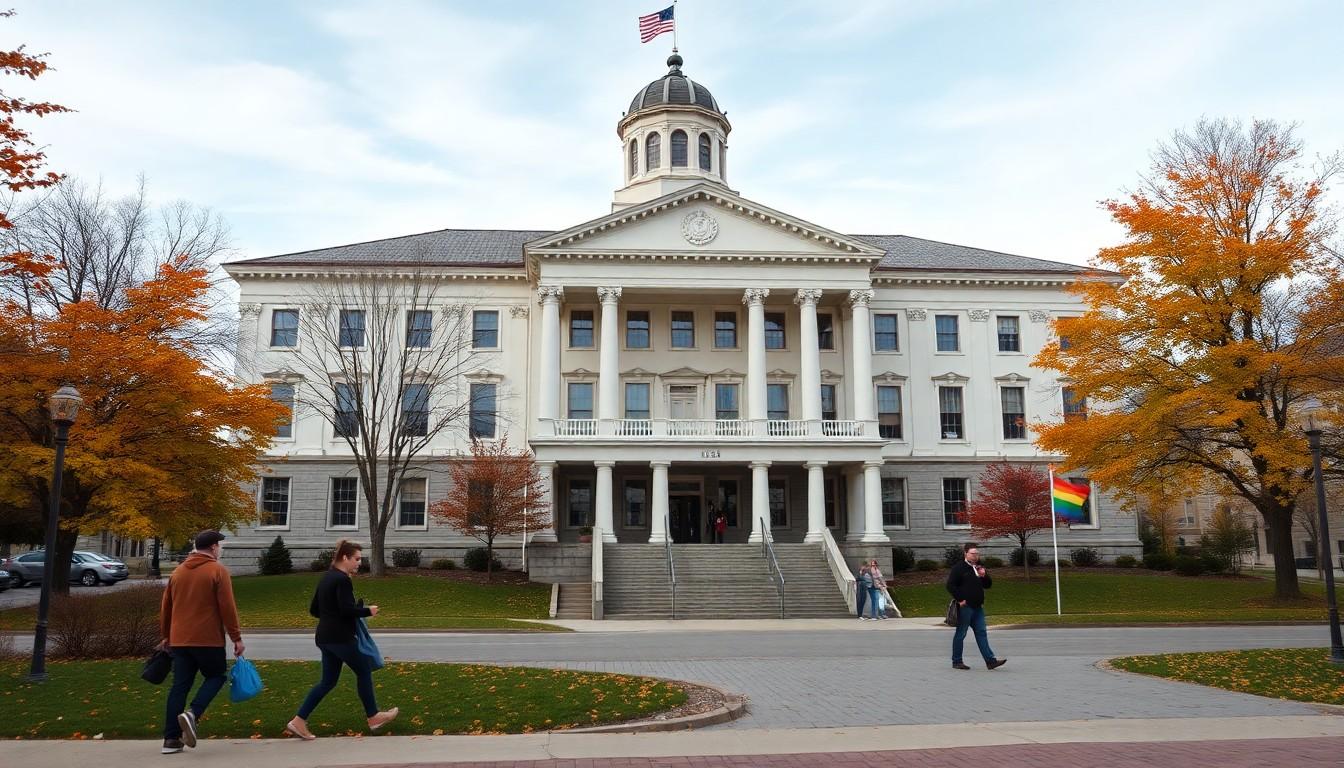
Vermont voters have approved Proposal 4, adding explicit protections for LGBTQ+ people to the state constitution's equal protection guarantees. The amendment also names other groups covered by the provision, giving the change legal weight as well as symbolic force at a time when advocates are seeking stronger state-level safeguards.
Essential Takeaways
- Voters approved Proposal 4: The constitutional amendment adds explicit equal protection language to Vermont's constitution.
- LGBTQ+ protections are named: The text covers sexual orientation, gender identity and gender expression.
- Other groups are included: The provision also lists race, ethnicity, sex, religion, disability and national origin.
- The change followed legislative backing: The proposal passed Vermont's Senate and House before going to voters.
- It preserves room for action: The amendment allows measures intended to promote equal treatment and opportunity for groups that have faced discrimination.
Vermont voters approve a historic rights amendment
Vermont voters have backed a constitutional amendment that spells out equal protection for LGBTQ+ people, alongside other groups. The Associated Press called the result on election night, making Proposal 4 a significant addition to the state's constitutional protections. [3], [7]
The amendment names sexual orientation, gender identity and gender expression. It also covers race, ethnicity, sex, religion, disability and national origin, placing those protections in the state constitution rather than leaving them to ordinary legislation alone. [5], [7]
What does Proposal 4 change?
The change is about clarity as much as coverage. Supporters say that explicitly naming protected groups can help guide courts and make those guarantees more difficult to remove than protections set out only in ordinary law. [2], [5]
The approved text also preserves Vermont's ability to take steps intended to provide equal treatment and opportunity for groups that have historically faced discrimination. That provision matters: the amendment does not simply prohibit unequal treatment, but leaves room for policies designed to address it. [5], [6]
A long route from the legislature to the ballot
Proposal 4 had strong backing in the state legislature before voters had their say. Vermont's Senate approved it by 29 votes to none in March, and the House passed it 128 to 14 in May. [2], [5]
Constitutional amendments in Vermont must pass two consecutive legislatures before reaching a public vote. The proposal's path therefore involved more than a single burst of political momentum, with lawmakers considering the text over successive sessions before it appeared on the ballot. [4], [5]
Why state-level protections matter
Vermont is widely regarded as LGBTQ+-friendly, but supporters have argued that state constitutional protections still matter amid uncertainty around federal rights. A state constitution can offer an additional safeguard and give courts a clearer local standard to consider. [2], [3]
The vote also sits within a broader push to protect LGBTQ+ rights through state-level measures. New York voters approved an Equal Rights Amendment in 2024 that included protections for LGBTQ+ people, showing how states have become an important arena for these debates. [2], [7]
What happens next for the amendment?
Proposal 4 adds a new article to Vermont's constitution, with the text setting 3 November as its effective date following voter approval. The practical effect will depend in part on how the new language is applied in future cases and policy decisions. [4], [5]
For residents, the immediate change is straightforward: protections for sexual orientation, gender identity and gender expression are now written explicitly into Vermont's equal protection guarantees. That clarity may sound technical, but it can make a real difference when rights are tested. [3], [6]
It's a clear statement of who Vermont's constitution is meant to protect.
Source Reference Map
Story idea inspired by: [1]
Sources by paragraph: