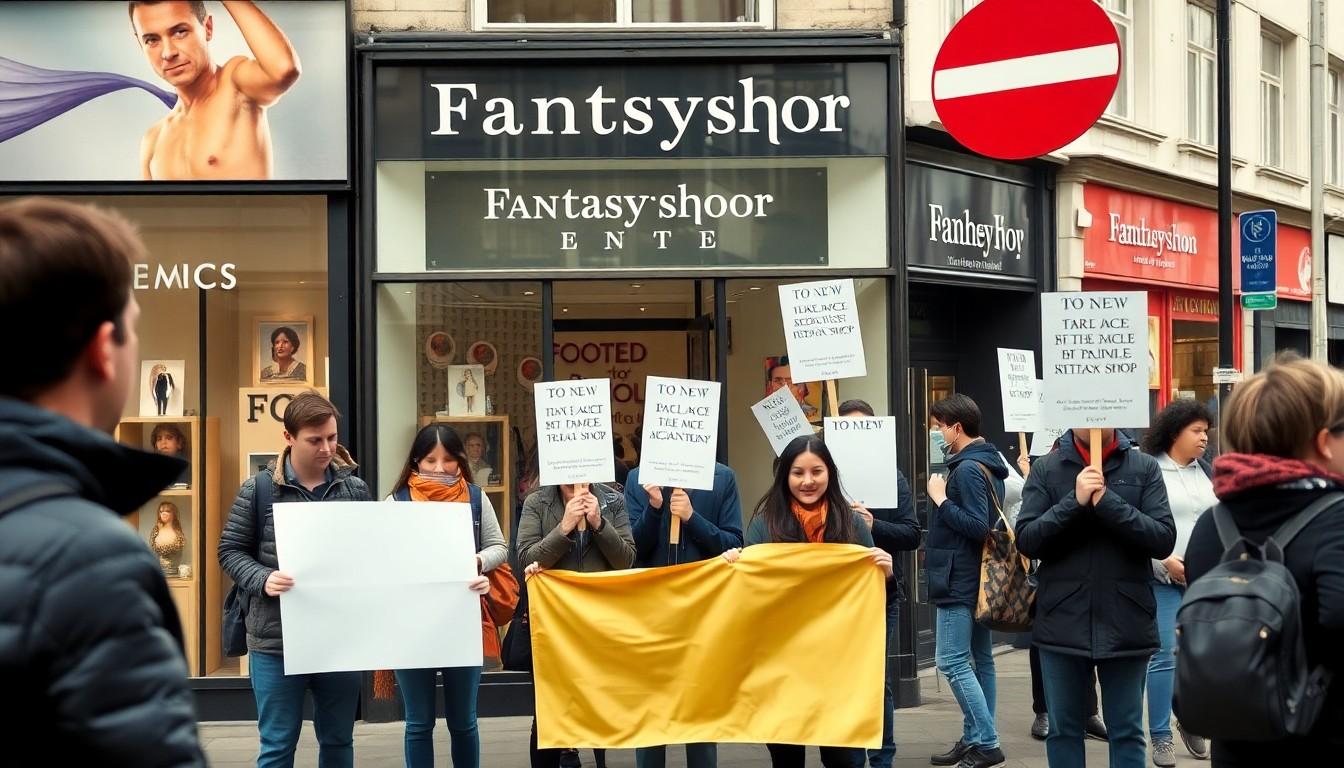
A fierce debate over conversion practices is unfolding in Britain as protesters gather outside a new London Harry Potter shop. Meanwhile, US election results offer a sharp contrast: Vermont voters backed explicit LGBTQ+ constitutional protections, while Arizona approved restrictions affecting transgender pupils. Together, the stories show how quickly rights debates can move from national politics to everyday life.
Essential Takeaways
- Conversion practices: Kemi Badenoch called the proposed UK ban unworkable; the government says ordinary parenting and legitimate conversations wouldn’t be criminalised.
- London protest: Trans rights campaigners demonstrated outside the new Harry Potter shop on Oxford Street on its opening day.
- Vermont vote: Voters approved a constitutional amendment explicitly protecting people from discrimination based on sexual orientation, gender identity and gender expression.
- Arizona vote: About 59% of voters backed Proposition 318, which restricts transgender pupils’ participation in school sports and access to some facilities.
- Different directions: The US results underline how state-level protections and restrictions can advance at the same time.
Britain’s conversion therapy debate returns to the spotlight
The latest row over a proposed conversion practices ban has put a difficult question back in the headlines: how can legislation protect people from harmful attempts to change or suppress their identity while leaving room for ordinary family conversations and appropriate support?
Conservative leader Kemi Badenoch has argued that the proposed law is unworkable and could put parents at risk of arrest. The government rejects that reading, saying the bill wouldn’t criminalise ordinary parenting, open discussion or legitimate therapeutic conversations. PinkNews reported that a parliamentary committee is scrutinising the draft legislation.
The distinction matters. A law intended to prevent abuse needs to be clear about what conduct it targets, particularly when political arguments about parenting, religion and professional support are already running hot. The debate is unlikely to settle until the bill's wording and safeguards have been tested in detail.
A new London attraction opens amid protest
Outside the new Harry Potter shop on Oxford Street, campaigners gathered with trans Pride flags and placards as customers queued to enter. The demonstration took place on the attraction's opening day, bringing a wider dispute over transgender rights into a very public retail setting.
PinkNews reported that protesters objected to author J. K. Rowling's involvement in debates over trans rights, while Rowling says her campaigning reflects concerns about women's rights, safeguarding and freedom of expression. The shop's spokesperson acknowledged the right to peaceful protest and welcomed visitors.
It’s a striking contrast: a themed shop designed for a spellbinding day out, with a real-world argument unfolding just beyond the queue. The protest also reflects how cultural spaces and entertainment brands can become part of broader conversations about inclusion and public life.
Vermont backs explicit LGBTQ+ protections
In the US, Vermont voters approved Proposal 4, adding express protections against discrimination based on sexual orientation, gender identity and gender expression to the state constitution. The Advocate reported that the measure had already won strong backing in the state legislature before going to voters.
The change gives LGBTQ+ protections a place in the state's constitutional framework, rather than relying only on existing laws and how they are interpreted. Supporters said that clarity matters amid uncertainty about federal civil rights protections.
For campaigners, the vote is a meaningful step towards making equal treatment harder to overlook. It also shows how state constitutions can become an important arena for debates about civil rights.
Arizona takes a different path on transgender pupils
Arizona voters approved Proposition 318, which restricts transgender students' participation in school sports and their access to certain changing rooms, bathrooms and showers in sporting settings. The measure received about 59% support, according to an election projection cited by The Advocate, and is due to take effect on 1 January 2027.
Supporters say the restrictions protect fairness in girls' sport and preserve sex-separated facilities. Opponents, including the American Civil Liberties Union of Arizona, argue that they’re unnecessary and could increase discrimination against transgender young people.
Set beside Vermont's result, Arizona's vote makes the uneven picture especially clear: US states are moving in opposing directions on LGBTQ+ rights. For families and pupils, these policies aren't abstract. They can shape where young people play, change and feel welcome at school.
What these developments say about LGBTQ+ rights
The UK debate and the US votes are different stories, but each turns on how rights are defined and protected in practice. One centres on the scope of a proposed ban, another on public protest and cultural influence, while the two state results reveal competing approaches to equality and trans inclusion.
That makes careful attention to the details worthwhile. In Britain, the draft bill is still under parliamentary scrutiny; in Arizona, the new restrictions have a stated start date; in Vermont, voters have approved constitutional wording. Those distinctions help separate what has been proposed, what has passed and what happens next.
Closing Line
For LGBTQ+ rights, the details matter as much as the headlines.
Source Reference Map
Story idea inspired by: [1]
Sources by paragraph: