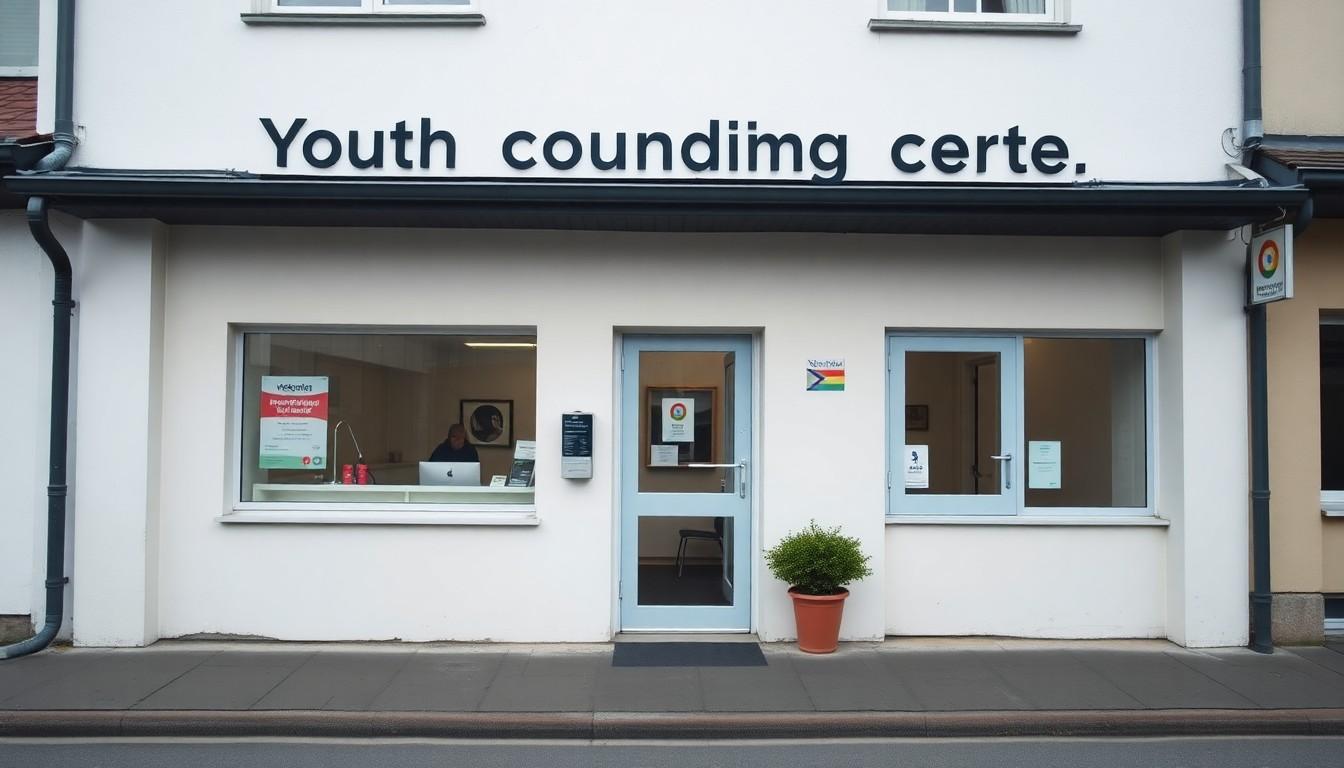
Young queer people across Germany are facing the loss of a familiar source of support: the Lambda youth network says it will end its nationwide counselling service at the close of the year after its central government funding was withdrawn. With demand rising and referrals now especially important, the closure raises urgent questions about where young people can turn next.
Key takeaways
- Service ending: Lambda plans to stop its nationwide counselling service at the end of the year after its central funding was cancelled.
- No new cases: The network says it is no longer accepting new counselling enquiries.
- Current clients: Ongoing support is due to conclude by the end of 2026, with Lambda helping people find other suitable services.
- Rising need: Lambda has reported more enquiries, including concerns about mental health and violence at home.
- Wider concern: Organisations and researchers have publicly urged decision-makers to protect support for queer young people.
A trusted support service is preparing to close
For many young people, asking for help about identity, coming out or a difficult home life can be daunting. Lambda has offered counselling since 1995, but the queer youth network says its nationwide service will close at year’s end after the federal ministry responsible for youth affairs withdrew its central funding.
The timing is troubling. Lambda has reported that requests for support have been increasing, while it has been unable to make up the shortfall through other funding. The network has stopped taking new cases, leaving the transition to alternative services an immediate concern.
What the closure means for young people
People already receiving support are expected to complete their counselling by the end of 2026. Lambda says it will help them identify other suitable services, though finding a good fit can take time, particularly when someone needs a specialist who understands queer identities and family pressures.
The issues raised in counselling can be serious, including psychological crises and violence within families. That makes a careful handover more than a matter of signposting: a young person needs to know where to go, and feel safe enough to make contact.
Funding cuts have prompted a wider response
The funding decision has drawn public criticism. Around 200 organisations signed an open letter calling for the counselling service to be preserved, while more than 140 researchers warned that the reduction could harm queer young people’s wellbeing and social inclusion.
Lambda has also described the closure as a loss of an important nationwide point of contact at a time when safe spaces for queer people are under pressure. That concern goes beyond one organisation: when a familiar service disappears, young people may have to navigate a more scattered support landscape.
Where to look for support now
Lambda says it will help current clients find alternatives, and its future funding efforts may allow the service to return. In the meantime, young people and those supporting them can contact local youth advice centres, LGBTQ+ organisations, school or university support teams, or a GP to ask about appropriate counselling and crisis services.
If someone is in immediate danger, contact local emergency services. For less urgent needs, it can help to ask a trusted adult or support worker to make the first call together. A warm introduction can make an unfamiliar service feel much less daunting.
The next challenge is continuity
The closure puts a spotlight on how much specialist youth support depends on stable funding. Community groups and volunteers can provide vital help, but they can’t always replace a nationwide service with established experience and referral pathways.
Lambda says it is exploring new funding options, leaving open the possibility of bringing its queer support work back. For now, the priority is making sure young people already seeking help aren’t left to find their next step alone.
The important thing is to keep support visible, reachable and safe while the service changes.
Source Reference Map
Story idea inspired by: [1]
Sources by paragraph: