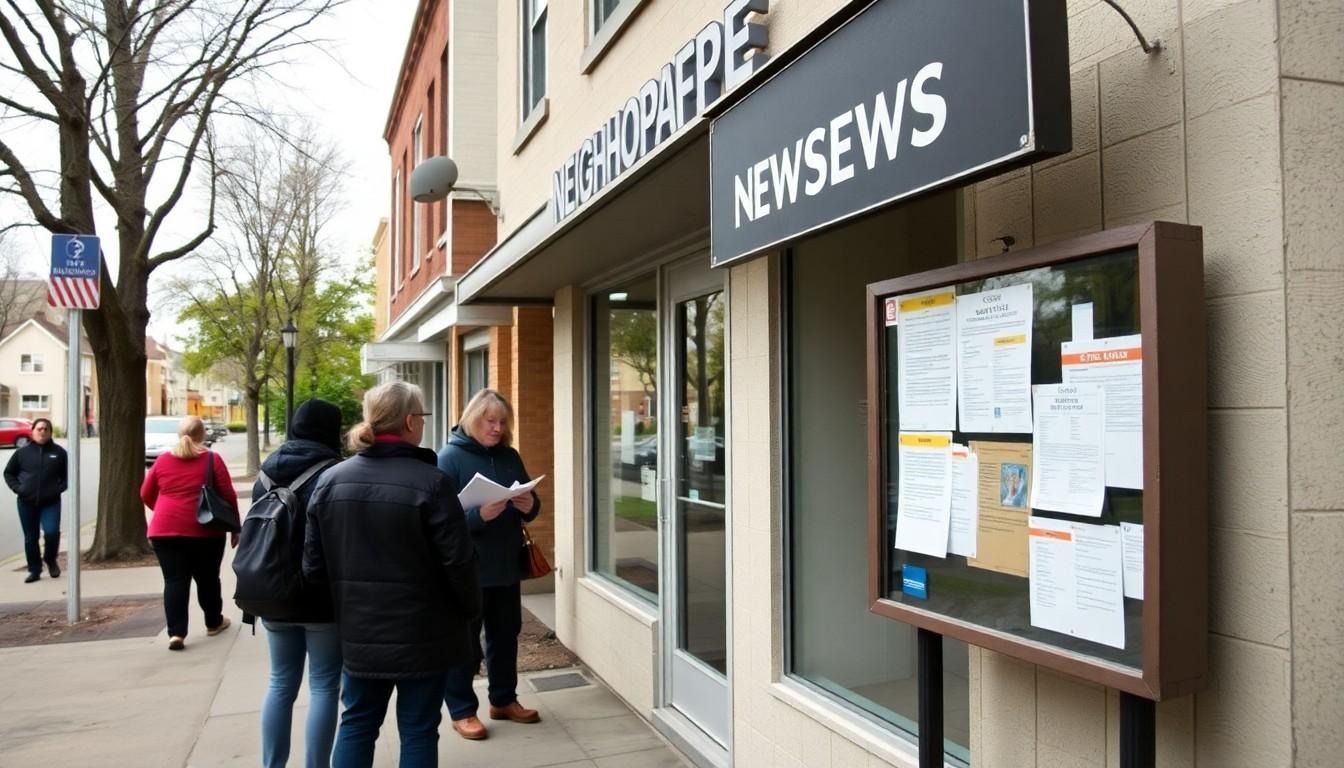
Readers in Eugene are using letters pages to do more than praise a funny column or vent about politics. Their responses touch on belonging, civic accountability, environmental disputes and the hard work of listening across divides, showing how local debate can connect everyday experience with decisions that shape a community.
Essential Takeaways
- A sense of home matters: One Eugene writer says community support has helped them feel rooted despite anti-queer bigotry.
- Letters can challenge decisions: Readers raise concerns about construction in a floodway, county approvals and the consequences of setting a precedent.
- Humour has its place: A reader praises a satirical column mocking corporate pumpkin-spice excess, calling laughter welcome in stressful times.
- Conversation takes practice: Braver Angels events in the Southern Willamette Valley invite people with different political views to listen and talk in small groups.
- Public projects invite scrutiny: Letters argue over waste management, local development, public funding and how decisions affect residents.
Eugene letters put belonging and community in focus
The most affecting message is also the most personal. A Eugene resident writes that finding a home has meant accepting that prejudice won't disappear, while recognising that supportive people can make a real difference. The writer's gratitude for being named Best Death Doula sits alongside a deeper appreciation for feeling surrounded by love.
That kind of testimony gives a letters page its human scale. Civic arguments can sound abstract when they revolve around rules, funding or elections; a person describing what makes a place feel safe brings the stakes closer. Earlier coverage of local community-building has also explored how people can make connections despite division, including through Braver Angels in the Southern Willamette Valley. (Source: Eugene Weekly's report on community across political divides.)
Floodway and White House comparisons raise a rule-of-law question
One letter links a disputed home in a floodway to the White House East Wing renovation, arguing that both cases raise concerns about rules being ignored and exceptions being sought after work begins. The writer's central worry is precedent: if powerful people can win approval after the fact, others may decide the rules are optional too.
The message also points to the practical risks of building in a flood-prone area, where structures and people may be exposed when water rises. Other Eugene Weekly coverage has examined money and water as intertwined local concerns, while a previous letters page also discussed the Jones-McCann property dispute. Together, those references show why building decisions can become arguments about public safety as much as property rights. (Sources: Eugene Weekly's reporting on money and water, and its earlier Jones-McCann letters coverage.)
A little satire can cut through the stress
Not every letter is a warning. One reader thanks The Salty Chef for taking aim at the annual corporate pumpkin-spice frenzy, describing the piece as a rare source of repeated laughter. It's a small reminder that humour isn't a distraction from public life so much as one way people cope with it.
The reader's enthusiasm also hints at what local commentary can do well: make a familiar irritation feel newly ridiculous. Meanwhile, Eugene's waste debates show how quickly local infrastructure can become political. Coverage of garbage and politics has followed the competing claims around waste projects, corporate interests and community benefits, with residents weighing in on what they believe is at stake. (Source: Eugene Weekly's coverage of garbage and politics.)
Listening across political lines takes practice
A letter about Braver Angels describes local gatherings where people talk in small groups and practise listening rather than jumping in to argue. The writer presents these meetings as a practical way to engage with neighbours whose politics, values or news sources differ, rather than simply complaining about "the other side".
That approach sounds modest, but it asks something real of participants: patience, curiosity and a willingness to let someone finish. Eugene Weekly's earlier feature on finding community within division also explored this local effort, suggesting that conversation can start with small, structured encounters rather than a grand agreement on everything. (Source: Eugene Weekly's report on finding community within division.)
Public accountability remains a live local concern
The letters also take on development, waste, winery rankings and publicly funded housing. Their claims and opinions are the writers' own, but the common thread is a demand for scrutiny: who benefits from a decision, who bears its costs, and whether the public has enough information to judge.
That question matters particularly when public money or community resources are involved. Eugene Weekly has covered disputes around garbage policy and local spending, while other reporting has examined the finances behind civic decisions. Taken together, the letters show how residents use the page to connect big arguments to everyday consequences, from the safety of a floodplain to the dignity of a place to live. (Sources: Eugene Weekly's garbage coverage and reporting on local financial questions.)
Closing Line
A good letters page doesn't settle every argument, but it gives a community room to make its case.
Source Reference Map
Story idea inspired by: [1]
Sources by paragraph: