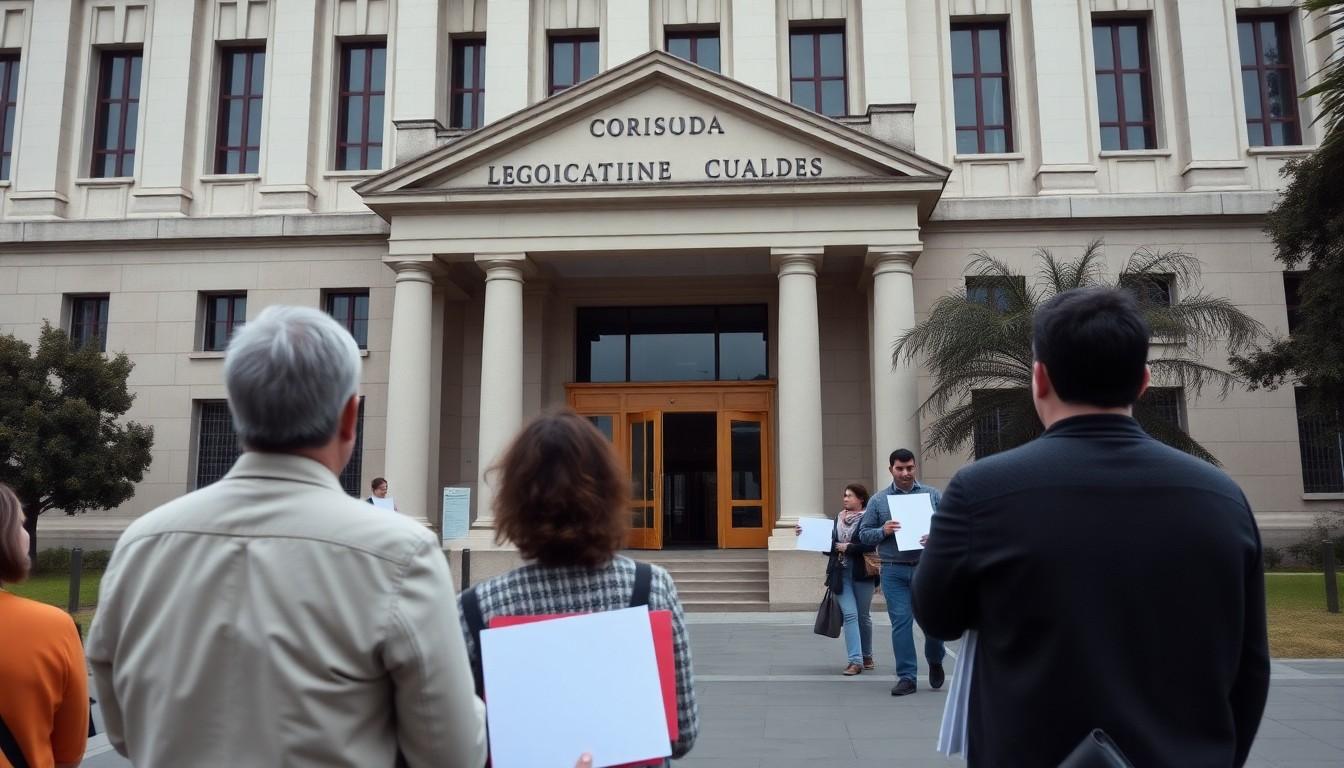
Across Córdoba, Argentina, LGBTQ+ people and other marginalised communities are raising the alarm about hate-motivated attacks and gaps in protection. The provincial anti-discrimination bill now under discussion could offer new ways to prevent abuse and pursue remedies, while fresh figures underline the scale of the challenge and why reporting, support and reliable data matter.
Essential Takeaways
- A sharp rise in reported cases: Argentina recorded 227 anti-LGBTQ+ hate crimes in 2025, up from 140 in 2024, according to the national observatory's annual report.
- The figures are a minimum: The observatory's count covers cases that reach official bodies, the courts or the media, so incidents that go unreported may be missing.
- A provincial bill is advancing: Córdoba's proposed anti-discrimination law is intended to promote equality and respect for diversity, with measures to address discriminatory conduct.
- Protection is broader than one community: The proposal was developed with input from different groups facing discrimination, not only LGBTQ+ organisations.
Córdoba's hate-crime figures point to a wider problem
A rise of 62 per cent in recorded anti-LGBTQ+ hate crimes gives the debate in Córdoba a sobering backdrop. Argentina's National Observatory of LGBT+ Hate Crimes counted 227 cases in 2025, compared with 140 the year before, the highest total since its series began in 2016. These are not abstract statistics: they represent people subjected to violence, and the tally includes only cases that came to official attention. [5]
That distinction matters. The observatory's report notes that its figures are a minimum, drawing on cases reported to authorities, taken through legal channels or covered by the media. Attacks that go unreported, perhaps because victims fear further mistreatment or don't expect a response, can remain out of sight. [4]
Why a provincial law is being proposed
Córdoba's proposed anti-discrimination law is intended to strengthen equality and respect for diversity at provincial level. The provincial legislature has described the initiative as a step towards addressing discriminatory behaviour and advancing equal treatment. [3]
The proposal has taken on added significance after the closure of Argentina's National Institute Against Discrimination, Xenophobia and Racism, known as INADI. National measures once assigned to the institute have since been redistributed through government structures, but provincial campaigners say local tools are still needed to respond to discrimination and support those affected. [7] [8]
Reporting attacks can be difficult
In an interview with Perfil, Córdoba diversity campaigner Nadiha Molina said attacks on trans people and sex workers can be under-reported, particularly when people feel exposed to violence or doubt that a complaint will lead to action. She also warned that delays in the justice system can leave people at risk while they wait for a response. [2]
That helps explain why official counts should be read carefully. They can show the scale of documented cases, but they don't capture every experience, and a lack of reports shouldn't be mistaken for a lack of harm. The observatory's methodology explicitly cautions that its tally is limited to cases reaching public or institutional attention. [4]
What the bill could change
The proposed law aims to create provincial mechanisms to prevent and address discrimination, according to the Córdoba legislature. The idea is to give institutions and communities a clearer framework for promoting equal treatment, rather than leaving each incident to be handled in isolation. [3]
Molina told Perfil that the initiative was shaped through a consultative process involving several groups facing discrimination, including Indigenous and Jewish communities. That wider scope is important: a law against discrimination needs to recognise how prejudice affects different people, rather than treating one community's experience as the whole picture. [2]
What readers can take from the figures
The most practical lesson is to look beyond a headline total. The observatory's numbers track cases that reach particular channels, while the EFE report on violence against Argentina's LGBTQ+ community in 2024 also describes the broader climate of concern around discrimination and attacks. Neither source can record every incident, but together they show why consistent monitoring matters. [4] [6]
For Córdoba, the proposed bill is one part of a larger response. Clear procedures, timely action and accessible routes to support will matter just as much as the law's wording; for anyone facing discrimination, knowing which local organisations or public services can help is a useful first step. [2] [3]
A law can set the rules, but its real value will be measured in whether people feel safer seeking help.
Source Reference Map
Story idea inspired by: [1]
Sources by paragraph: