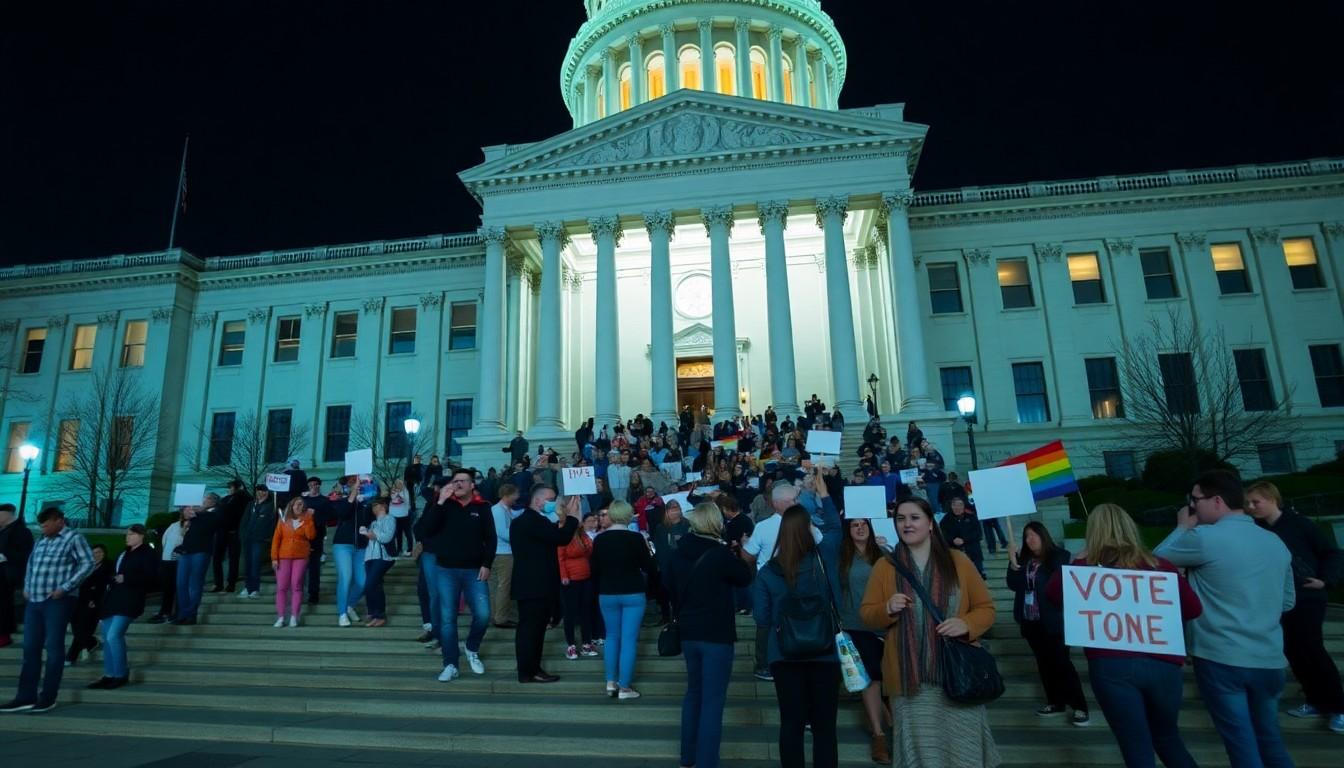
Voters in the 2026 US midterm elections have sent a record-breaking wave of leaders into high office, including the country’s first Native American woman governor and first openly gay male senator. From New Mexico to Georgia, the results mark a striking change in who gets to represent America, while raising a bigger question: how can these firsts become a more familiar part of political life?
Key takeaways
- New Mexico makes history: Democrat Deb Haaland is the first Native American woman elected governor in the US.
- Senate milestones: Peggy Flanagan becomes the first Native American woman senator, Abdul El-Sayed the first Muslim American senator, and Chris Pappas the first openly gay male senator.
- More diverse governors: Florida and Wisconsin have elected their first Black governors, while Texas and California have elected Latino governors.
- Women’s representation grows: Nearly 300 women, including sitting members, ran for seats in the US House and Senate.
- A possible House milestone: The Democratic gains could lead to the first Black speaker of the House.
A night of firsts changes the political landscape
The 2026 midterms have rewritten several lines in the history books. Voters elected the first Black woman governor in the US, the first Native American woman governor, the first Native American woman senator and the first openly gay male senator. Abdul El-Sayed’s victory added another milestone, making him the first Muslim American elected to the Senate. [2], [3], [4]
The wins stretch from New Mexico to Georgia and beyond. They’re not only personal milestones for the candidates; they also reflect a wider electorate and years of organising by communities that have often been excluded from the highest levels of government. As Alexis Anderson-Reed of State Voices told the Arkansas Democrat-Gazette, these victories are tied to the work of people who have organised, spoken with voters and built civic engagement over time. [3], [6]
Deb Haaland’s New Mexico win carries deep meaning
Deb Haaland’s election as New Mexico governor is a historic first for Native American women in the United States. A citizen of Laguna Pueblo, Haaland spoke about the survival of Native communities and the importance of showing children that they can build a future in their home state. [5]
Her victory also gives fresh visibility to Native leadership in state government. The result follows a long history in which Native people’s languages and cultures faced efforts to suppress them, making representation about more than a new name on the ballot. For many voters, it’s a reminder that political change can carry both personal meaning and a wider sense of recognition. [5], [6]
The Senate welcomes new milestones
The Senate’s new members bring several firsts of their own. Minnesota’s Peggy Flanagan, a member of the White Earth Band of Ojibwe, is the first Native American woman elected to the chamber. In Michigan, Abdul El-Sayed becomes the first Muslim American senator, while New Hampshire’s Chris Pappas is the first openly gay man to win a Senate seat. [2], [4]
Pappas has said he wasn’t running simply to make history, and his sexual orientation wasn’t a major focus of his campaign. That distinction matters: representation can be significant without being the only thing a candidate is known for. El-Sayed, meanwhile, faced attacks questioning his American identity, which he and supporters condemned as Islamophobic and racist. [3], [4]
Governors’ offices are becoming more representative
The changes aren’t confined to Washington. Florida’s Byron Donalds and Wisconsin’s David Crowley will be their states’ first Black governors, while Georgia’s Keisha Lance Bottoms becomes the first Black woman elected governor in the country. Maryland’s Wes Moore also won re-election, adding another Black governor to a group that has historically been small. [6], [7]
Latino representation has also moved forward. Texas elected Gina Hinojosa as its first Latina governor, while California chose Xavier Becerra, its first Latino governor since Romualdo Pacheco in the 19th century. These results make a once-unusual sight more visible across the country, though a breakthrough in one election doesn’t guarantee that diverse candidates will find the path easy next time. [2], [7]
What these historic election results mean next
The scale of the change is striking, but the next test is whether these firsts become lasting representation. Nearly 300 women, including incumbents, ran for the US House and Senate, while Tennessee also elected its first woman governor, Marsha Blackburn. And the Democratic gains could bring another milestone, with the United States potentially set to have its first Black speaker of the House. [6], [7]
For voters, the practical lesson is simple: look beyond the headline-making firsts and follow what elected officials do once they take office. Representation matters, but so do policies, accountability and the ability to deliver for the people who sent them there. Still, seeing a wider range of leaders take the stage is a powerful thing, especially for the next generation watching. [2], [3]
A historic first is worth celebrating; making it feel ordinary is the next challenge.
Source Reference Map
Story idea inspired by: [1]
Sources by paragraph: