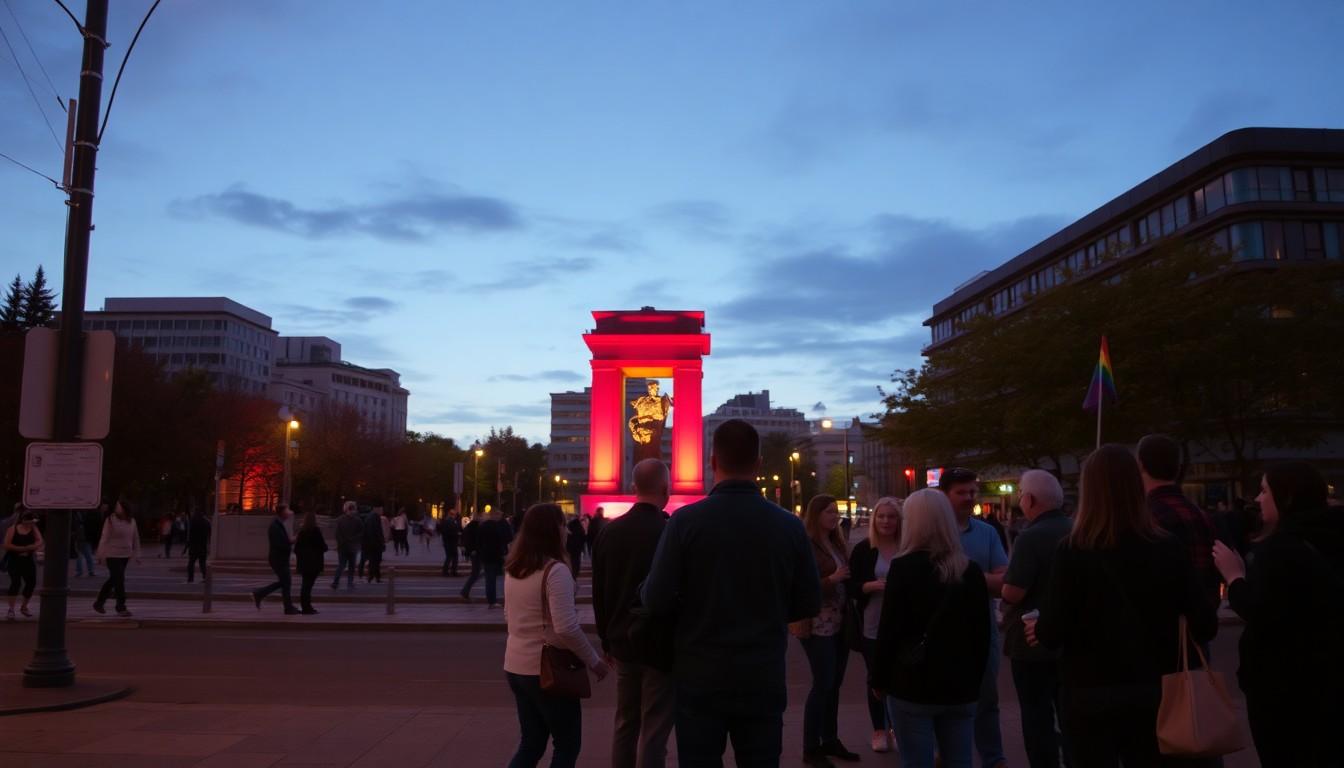
Aotearoa will mark World AIDS Day with a vogue ball, shared kai, storytelling and landmarks lit red. Events in Auckland, Wellington and Christchurch on and around 1 December combine remembrance with a call to keep strengthening HIV prevention, treatment and support. Here's what’s planned, and why the day still matters.
Essential Takeaways
- Auckland starts early: The Red Ribbon Vogue Ball is at Galatos on 28 November, with a brunch at the Pullman on 1 December.
- Three cities take part: Wellington’s Āwhina centre hosts breakfast, while Christchurch’s Te Toka centre plans storytelling and remembrance.
- Landmarks turn red: Auckland Harbour Bridge, Sky Tower and Auckland War Memorial Museum will be lit in solidarity with people living with HIV.
- The message looks ahead: Burnett Foundation Aotearoa links the commemorations to prevention, care and its goal of ending local HIV transmissions by 2030.
A vogue ball opens World AIDS Day in Auckland
The celebrations begin with the Red Ribbon Vogue Ball at Galatos on Saturday 28 November. It’s a lively opening to a programme that makes room for both celebration and reflection, rather than treating remembrance as a quiet, separate affair.
On Tuesday 1 December, Auckland’s programme continues with a World AIDS Day brunch at the Pullman. The Harbour Bridge, Sky Tower and Auckland War Memorial Museum are also set to glow red, giving the city’s skyline a visible reminder of the people and communities at the heart of the day.
Breakfast and storytelling bring communities together
In Wellington, Āwhina will host breakfast from 7.30am to 9am on 1 December. The gathering will reflect on 40 years since homosexual law reform, connecting the history of community activism with the work still needed on HIV and health.
Christchurch’s Te Toka centre will host storytelling and remembrance from 5.30pm to 7.30pm that evening. These local gatherings offer different ways to take part, whether you’re there to listen, remember or simply share time with others.
Why the message reaches beyond one day
Burnett Foundation Aotearoa’s theme for the programme is “Rethink. Rebuild. Rise.” The organisation says that ending HIV transmission in Aotearoa by 2030 depends on sustained attention to prevention, treatment and community support, alongside continued efforts to challenge stigma.
That ambition sits within the country’s National HIV Action Plan for 2023 to 2030. A World AIDS Day gathering can’t do the work on its own, of course, but it can keep the conversation visible and remind decision-makers that progress needs ongoing commitment.
Making remembrance useful and welcoming
If you’re planning to attend, check event details with the relevant host before setting out, particularly for timings and any booking requirements. The listed times are NZDT, and the programme spans an evening event in Christchurch, a morning gathering in Wellington and activities in Auckland across two dates.
There’s no single right way to mark the day. A shared breakfast, a story heard with care or a red-lit landmark can each make space for remembrance, while helping keep prevention and support in view.
What comes after the red lights?
Burnett Foundation chief executive Liz Gibbs is urging political leaders to strengthen evidence-based prevention, treatment and community support. The foundation has also stressed that reducing stigma is essential to its goal of ending local HIV transmissions by 2030.
That makes the programme more than a calendar of events. It’s a chance to honour lives and histories, while asking what practical commitment will carry that work forward after 1 December.
Explore the local events, and make time for the conversations that matter.
Source Reference Map
Story idea inspired by: [1]
Sources by paragraph: